Gnats are annoying, sure. But the bigger issue is what they are telling you: somewhere in your home there is moisture plus decaying organic matter, and that combo is basically a nursery. If you only trap the flying adults, you might get a little relief for a day or two, but the next batch hatches and you are right back where you started.
Let’s pinpoint where gnats breed (it changes with the seasons) and then use simple home remedies to break the cycle.
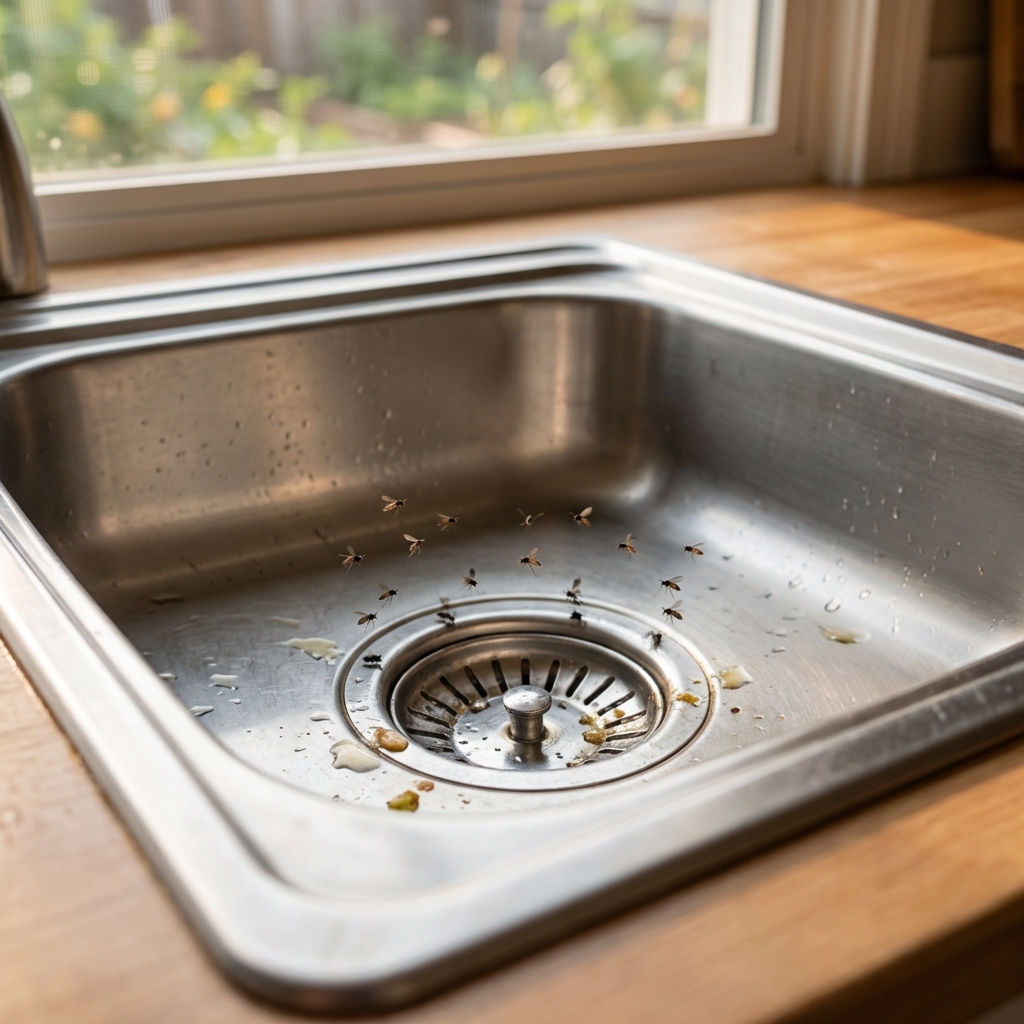
The 3 gnat types you are most likely dealing with
People say “gnats,” but most indoor problems fall into one of these buckets. The breeding spot depends on which one you have.
- Fungus gnats: hang around houseplants. They breed in damp potting mix and organic debris.
- Drain flies (often called gnats): fuzzy-looking, slower fliers near sinks, tubs, and floor drains. They breed in the slimy coating inside drains.
- Fruit flies (often called gnats): show up around ripe fruit, recycling, trash, and spills. They breed in fermenting organic material.
If you are not sure which you have, start with location: plants often points to fungus gnats, drains often points to drain flies, and kitchen counter and trash often points to fruit flies.
Quick caveat: “gnat” is a catch-all, and misidentification is common. If you do the steps below and they keep coming back, look up phorid flies (a common lookalike tied to drains, trash, and hidden moisture) and consider a pro inspection for plumbing leaks or sewer line issues.
Where do gnats breed by season?
Seasonal shifts matter because they change indoor moisture, fruit and food habits, and how often we open windows and doors.
Spring: houseplant soil and “fresh start” moisture
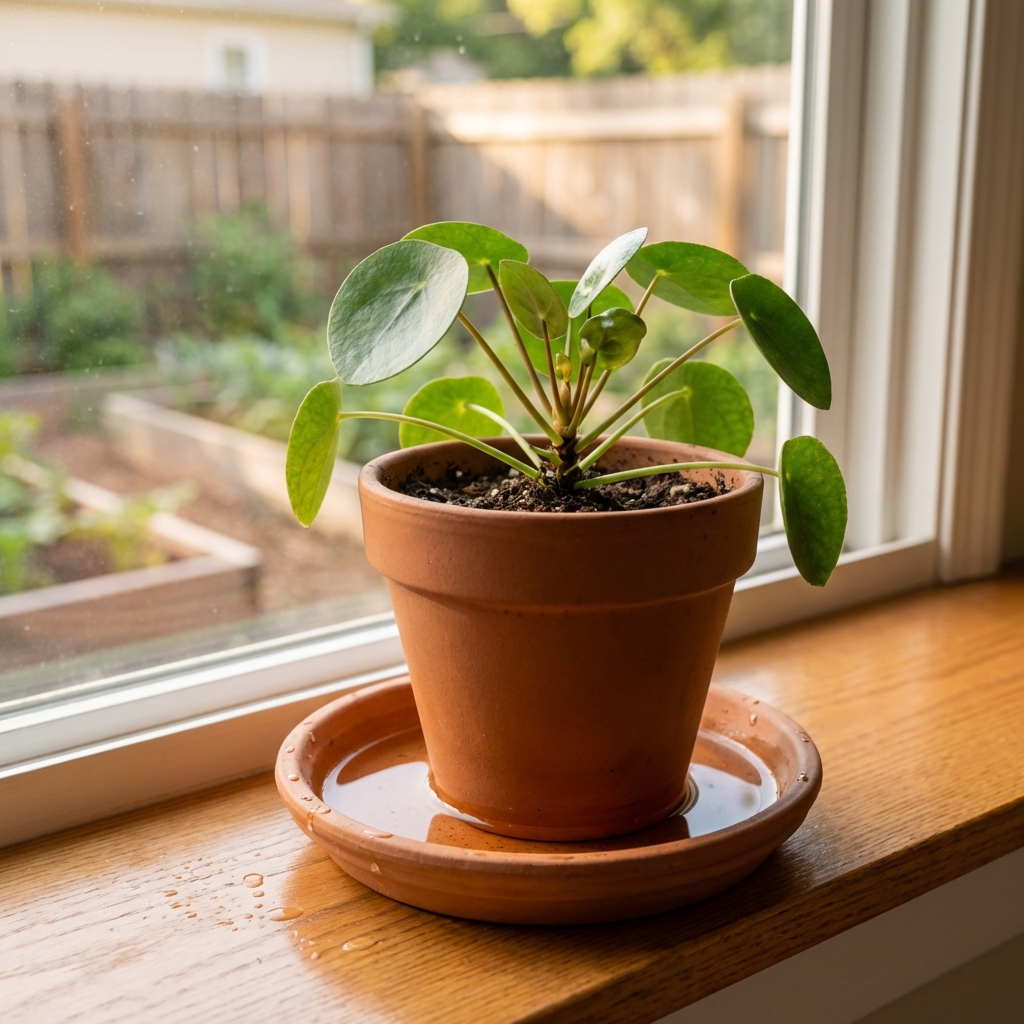
Spring is prime time for fungus gnats because we tend to repot, start seedlings, and water more often as days lengthen.
- Overwatered potting mix, especially mixes heavy in peat that stay wet
- Drip trays that collect stagnant water
- New bags of potting soil stored open in a humid spot
- Seed-starting trays kept constantly moist
Summer: fruit, recycling, and heat-driven fermentation
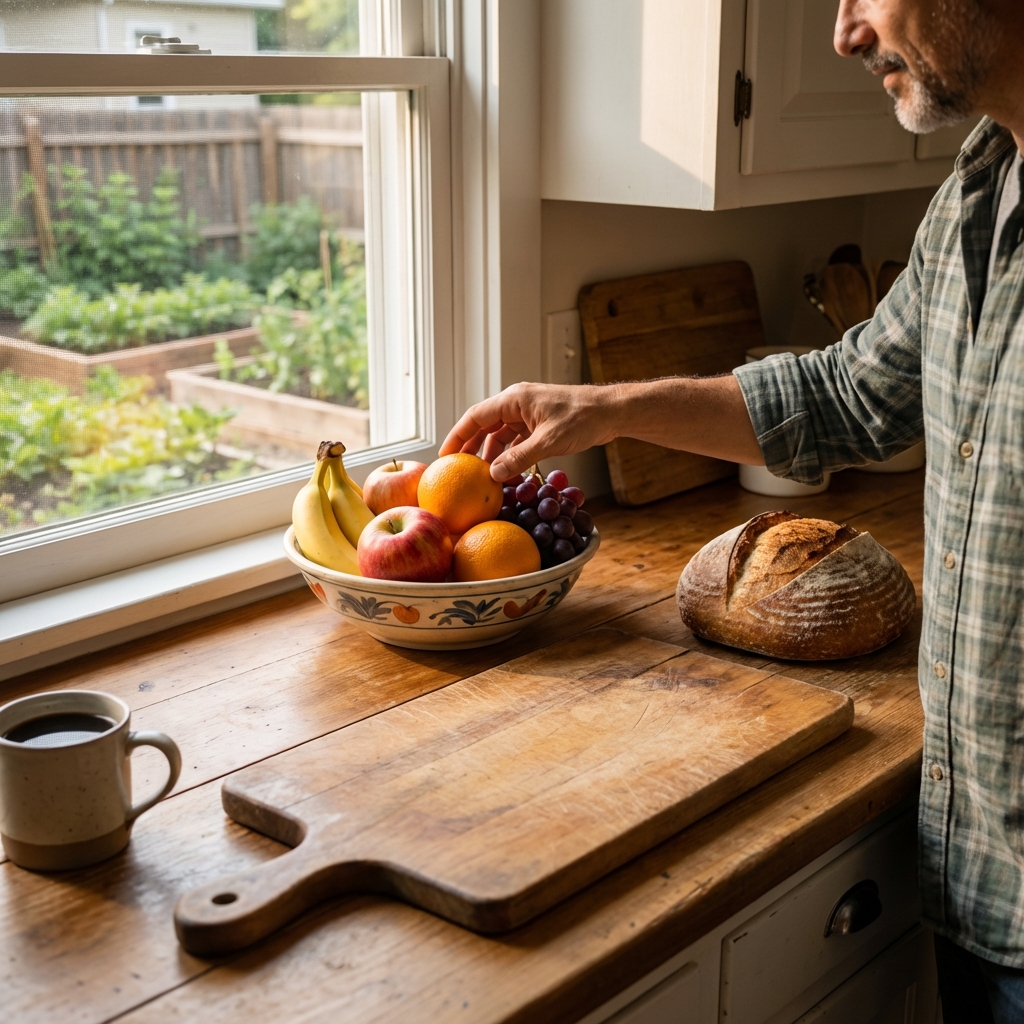
Warm weather speeds up decomposition and fermentation. That means fruit flies can go from “one or two” to “why are there fifty” fast.
- Ripening fruit on the counter (especially bananas, peaches, tomatoes)
- Recycling bins with sticky cans and bottles
- Compost pails and trash cans, especially if the liner leaks
- Outdoor breeding plus easy entry: they can breed outdoors (compost, fallen fruit, damp organic debris) and then slip in through open doors or windows
Fall: drains, damp basements, and decaying plant matter
Fall is when a lot of homes pick up drain fly issues and lingering fungus gnat problems. You might also bring in potted plants that were outside all summer.
- Kitchen and bathroom drains that get less frequent flushing
- Basements with higher humidity and occasional seepage
- Houseplants moved indoors with wet soil or decaying leaves on top
- Stored onions and potatoes that start to soften or rot
Winter: humidity pockets and slow-draining plumbing
Winter surprises people. Even when it is cold outside, the inside of your home can still have little humid zones that keep gnats going.
- Floor drains and rarely used sinks: P-traps can dry out, and drain residue can sit undisturbed
- Humidifiers and condensation near windows
- Trash and recycling kept inside longer because it is cold to take out
- Heated rooms with houseplants where soil stays damp
Common indoor breeding spots (checklist)
If you want the fastest results, hunt for breeding spots in this order. These are the places I see over and over in real homes.
- Sink drains and garbage disposals: the slimy coating inside pipes is basically a buffet for drain flies.
- Houseplant pots: consistently damp top 1 to 2 inches of soil is fungus gnat heaven.
- Trash and recycling: sticky residue plus warmth equals quick breeding.
- Fridge drip pan (if accessible): can hold stagnant water and gunk.
- Mop buckets and wet rags: organic residue plus moisture.
- Leaky plumbing under sinks: damp cabinets with crumbs or mildew.
- Pet areas: wet food, food bowls, and litter boxes that stay damp.
Home remedies that stop breeding
Here is the truth: traps only catch adults. You still want traps, but the real win is removing larvae food and moisture. Use the remedy that matches the breeding spot.
1) For fruit flies: vinegar trap plus a cleanup reset
Use this when they are hovering around fruit bowls, recycling, trash, or the coffee area.
- Pour about 1/2 cup apple cider vinegar into a small cup or jar.
- Add 1 to 2 drops of dish soap (breaks surface tension so they sink).
- Optional: cover with plastic wrap and poke a few small holes to reduce smell and improve catches.
- Set it near the worst spot, not across the room.
Then do the part that matters:
- Move fruit into the fridge for a few days, or store in sealed containers.
- Rinse recycling immediately, or keep it in a lidded bin.
- Take out trash nightly for a week if the problem is bad.
- Wipe sticky zones: under the toaster, around the coffee maker, under the trash can rim.
Safety note: Keep traps out of reach of kids and pets.
2) For drain flies: scrub the slime, then flush
Drain flies breed in the biofilm (the slimy coating inside pipes), not just the open drain you can see. You need a physical clean.
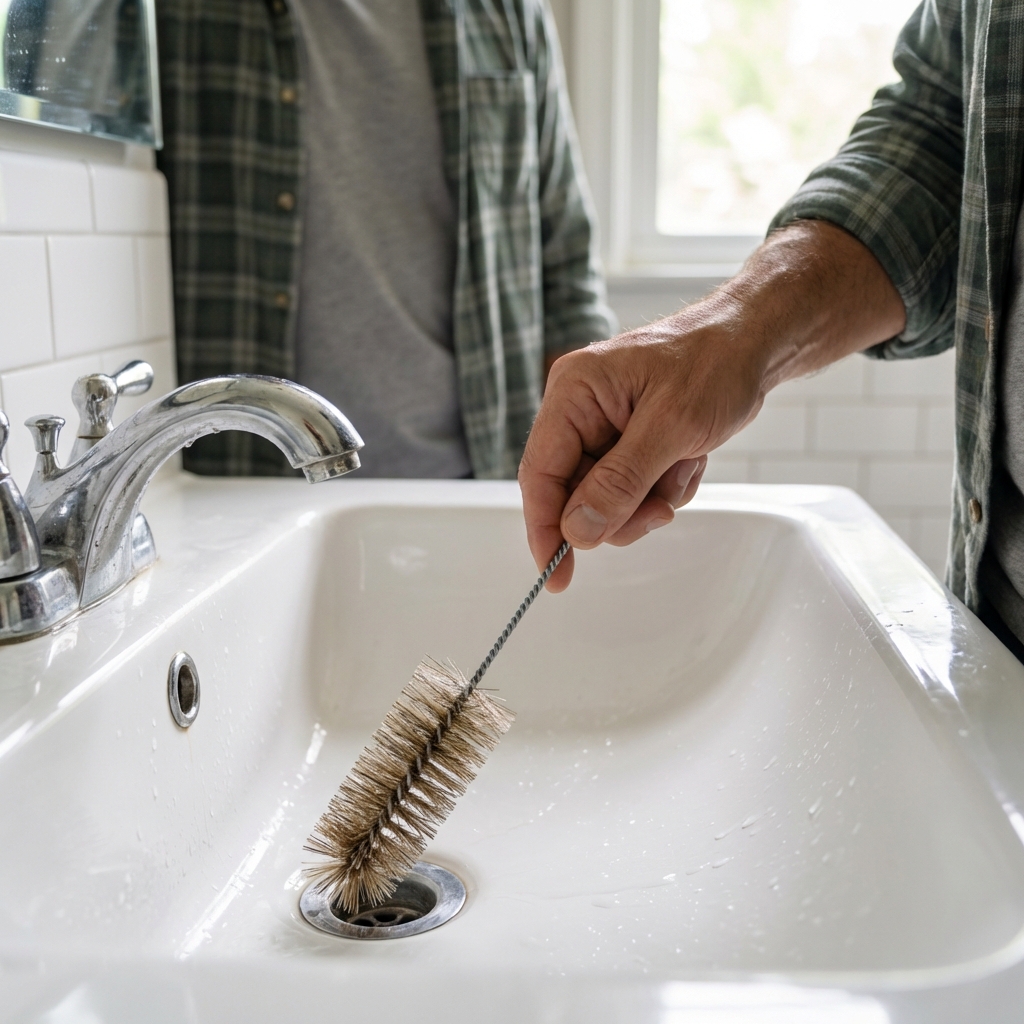
- Use a drain brush (or an old bottle brush) to scrub as far into the drain as you can.
- Scrub the overflow hole in bathroom sinks too. It is an often-missed hiding spot.
- Flush with very hot water to wash loosened gunk down.
- Repeat nightly for 7 to 14 days, or until you go several days with no new flyers.
If you have a garbage disposal, scrub the rubber splash guard too. That is often the hidden breeding surface.
Plumbing caution: Avoid pouring boiling water into PVC or questionable/older plumbing, and never mix DIY drain chemicals (like bleach and vinegar) in the same drain.
If you cannot access bends or the problem is persistent, an enzyme or biological drain gel can help break down residue between scrubs.
3) For fungus gnats: dry the surface and target larvae
Fungus gnats are a houseplant moisture problem first. Start with watering changes, then add larvae control if needed.
- Let the top 1 to 2 inches dry before watering again (most houseplants tolerate this well).
- Empty saucers after watering. No standing water.
- Remove dead leaves sitting on soil.
- Check drainage and pot size: overpotting and poor drainage keep soil wet longer than you think.
Home remedy options:
- Sticky yellow traps near the soil line catch adults so they cannot keep laying eggs.
- BTI products (like Mosquito Dunks or Mosquito Bits) steeped in water and used for watering can reduce larvae without harsh chemicals.
- Optional: a thin top-dressing (horticultural sand or diatomaceous earth used as directed) can help keep the surface less inviting.
Skip the quick fixes that do not address larvae. A dry surface plus larvae control is what turns the corner.
4) For mystery gnats: reduce moisture and seal food for one week
If you cannot tell what kind you have, do a one-week reset:
- Run a bathroom fan or dehumidifier in damp areas.
- Store all produce in the fridge or sealed containers.
- Clean drains nightly with a brush and hot water.
- Let houseplant soil dry down between waterings.
When the numbers drop, you will usually see where they were coming from.
Seasonal prevention
Spring and summer
- Quarantine new houseplants for a week and check soil moisture before watering.
- Do a quick weekly wipe of recycling bins and the trash can rim.
- Keep fruit on the counter in smaller quantities so it turns over faster.
- Use screens and keep doors closed when possible if you notice an outdoor influx.
Fall and winter
- Flush rarely used drains weekly (a few seconds of water helps keep P-traps filled).
- Check under-sink cabinets for leaks and dampness.
- Do not let wet potting mix sit in open bags in a humid garage or basement.
FAQ
Do gnats lay eggs in dry places?
Not usually. Most “gnats” indoors need moisture plus organic material for eggs and larvae to survive. If you find and dry out the moist source, you are most of the way there.
How long does it take to get rid of gnats?
If you remove breeding spots, you often see a big improvement within about a week. Stubborn drain fly and fungus gnat problems can take 2 to 3 weeks because you are working through life cycles.
Why do I still see gnats after using vinegar traps?
Because traps catch adults, but eggs and larvae are still developing in soil, drains, or trash residue. Pair traps with cleaning and moisture control for lasting results.
Quick action plan
If you want a simple order of operations, do this:
- Day 1: Put out vinegar traps near the problem area.
- Days 1 to 2: Clean drains or dry out plant soil, depending on where they are hovering.
- Days 3 to 14: Repeat drain scrubbing or keep soil on the dry side, and tighten up trash and recycling.
- After: Add one prevention habit that fits the season.
Gnats are beatable once you treat them like a breeding problem, not a flying bug problem.

Jose Brito
I’m Jose Britto, the writer behind Green Beans N More. I share practical, down-to-earth gardening advice for home growers—whether you’re starting your first raised bed, troubleshooting pests, improving soil, or figuring out what to plant next. My focus is simple: clear tips you can actually use, realistic expectations, and methods that work in real backyards (not just in perfect conditions). If you like straightforward guidance and learning as you go, you’re in the right place.