Bed bugs have a way of making people feel like their home is “dirty.” It’s not true. Bed bugs are equal-opportunity hitchhikers. They show up because they were carried in, not because you missed a cleaning day.
What matters is understanding where bed bugs come from, how they move from place to place, and what allows a small “starter problem” to turn into a full-blown infestation. Once you know the usual pathways, you can block them.
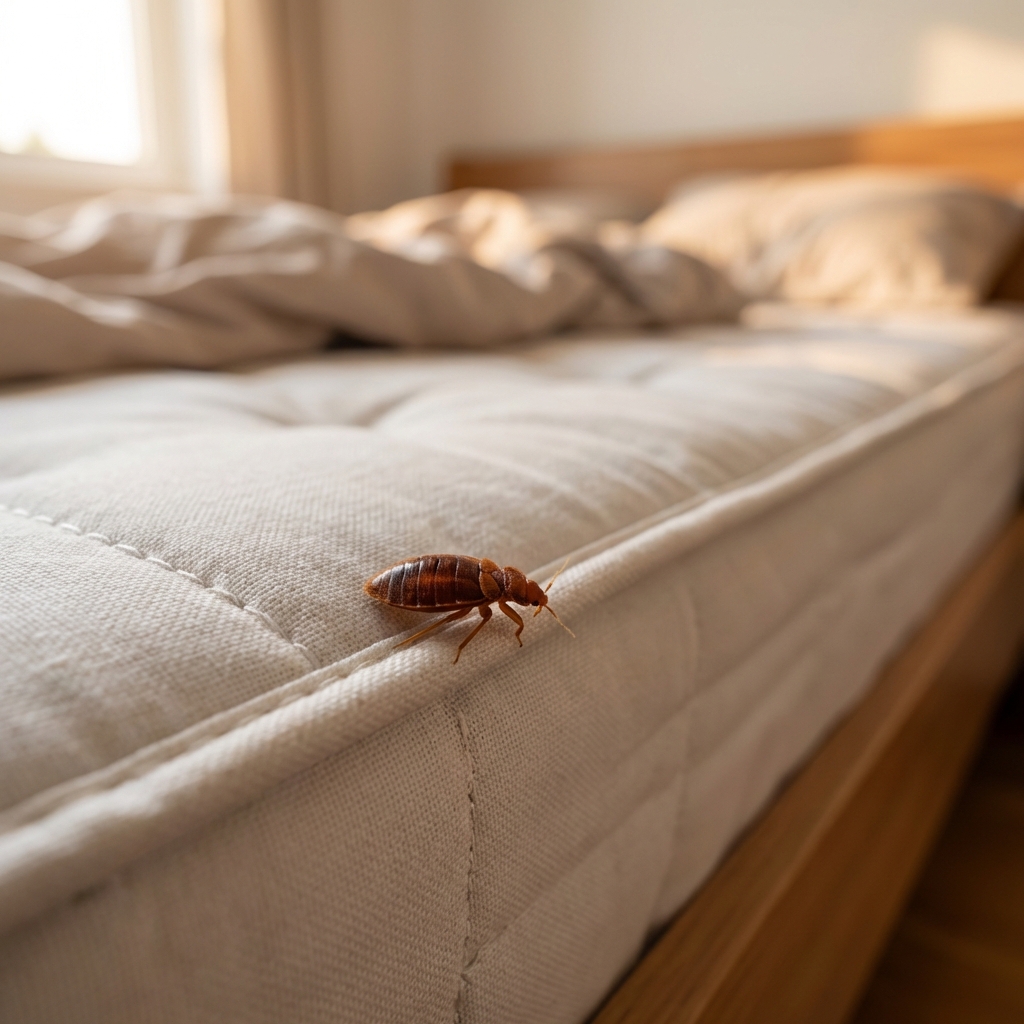
The quick answer
Bed bugs come from other infested places. They spread mainly by hitchhiking in personal items and furniture, and sometimes by moving between units in multi-family buildings. They do not originate from dirt, and they do not “spawn” from outdoors like mosquitoes.
- Common sources: travel, overnight guests, used furniture, and shared spaces where items mix (like laundry rooms or storage areas)
- Common hiding spots once inside: mattress seams, bed frames, headboards, couch cushions, baseboards, and behind wall plates
- Why they seem to “appear overnight”: they are small, nocturnal, and good at hiding until numbers grow
What bed bugs do (and do not) come from
They do not come from dirt, trash, or poor hygiene
Bed bugs feed on blood. They are not attracted to crumbs, garbage, or grime the way some other pests are. A spotless home can get them, and a messy home can avoid them. Cleanliness affects how easy they are to find and treat, not whether they show up.
They do come from other human spaces
Bed bugs live where people rest: bedrooms, couches, recliners, hotel rooms, dorms, shelters, offices, public transit, and waiting areas. If a bed bug can crawl into a bag, hide in a jacket cuff, or tuck into a seam, it has a ride.
Common ways bed bugs get into a home
1) Travel (hotels, rentals, cruises, and flights)
This is one of the top ways people bring bed bugs home. The bugs hide near sleeping areas and crawl into luggage, backpacks, toiletry bags, and clothing.
- They often hide in mattress piping, box spring corners, headboards, and nightstands.
- Luggage set on the bed or floor is easier for them to access.
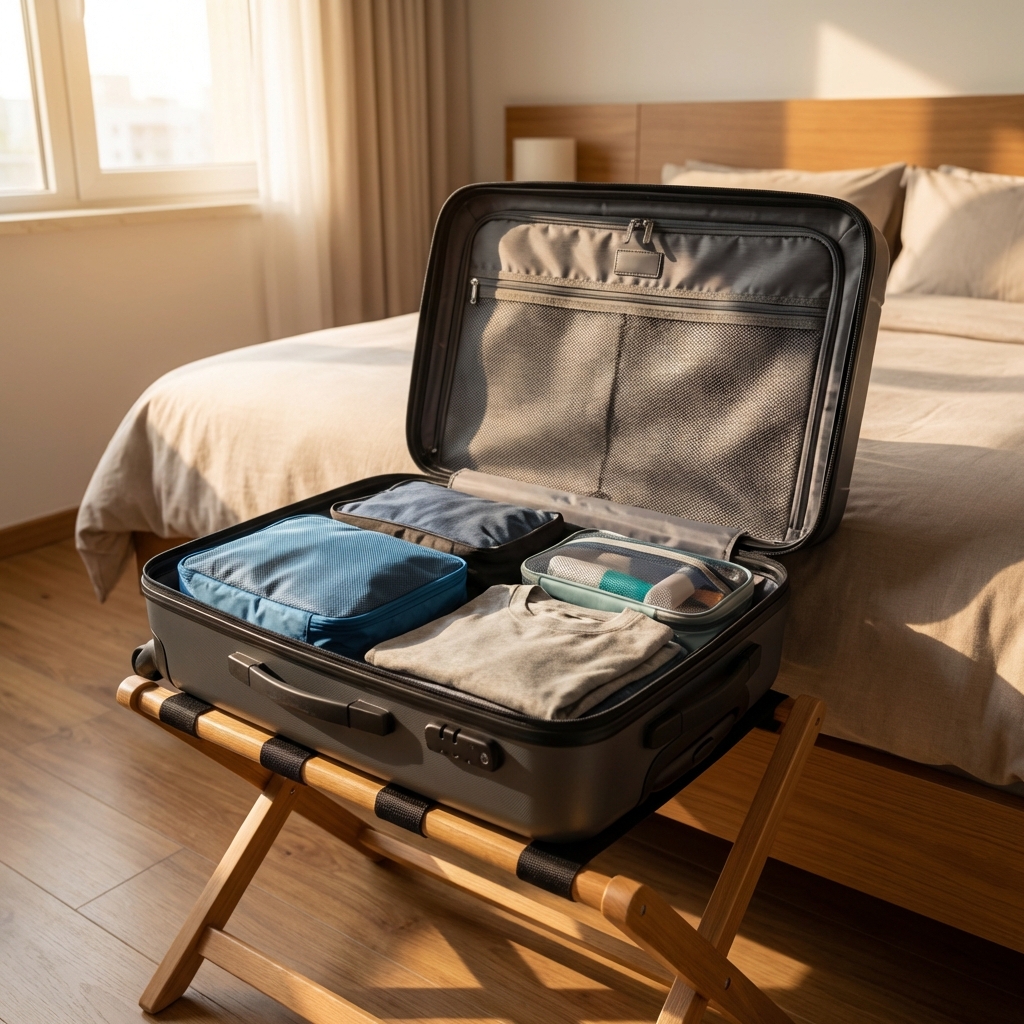
Quick hotel check
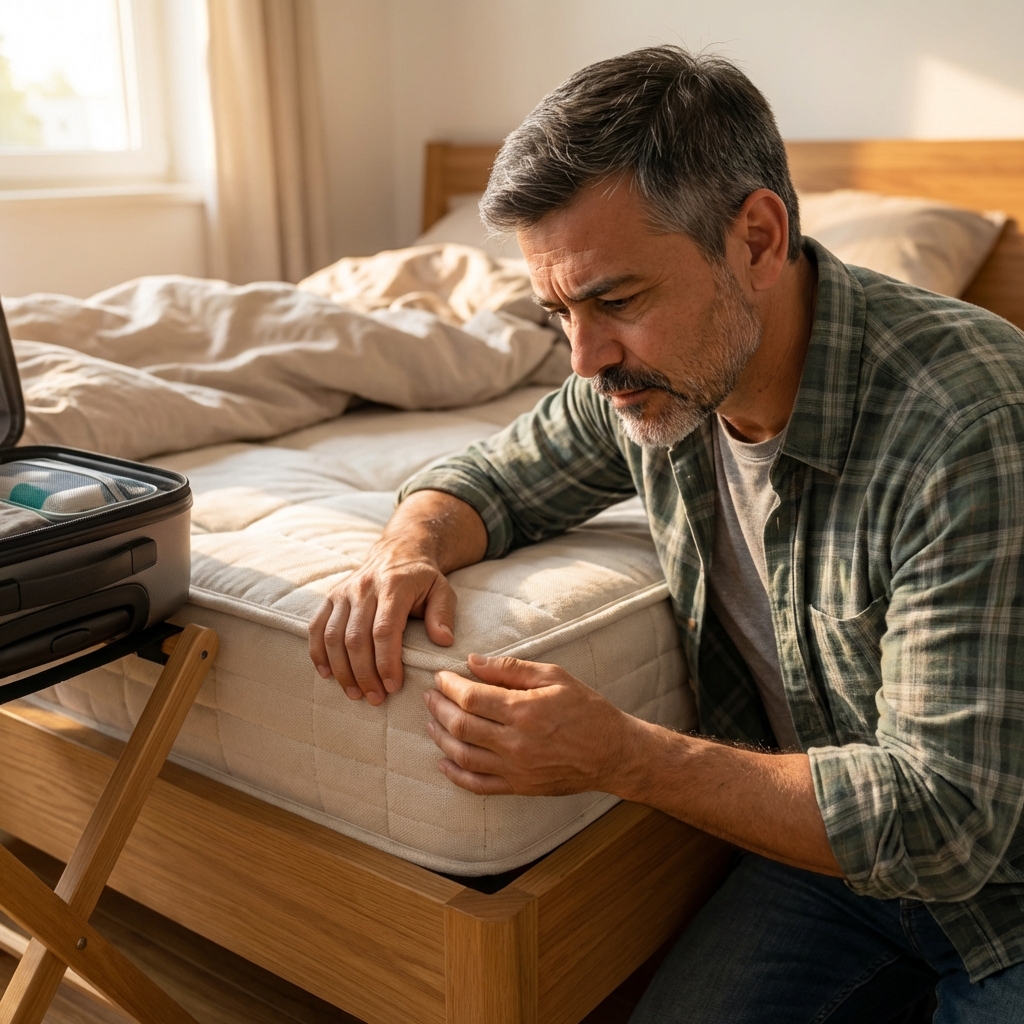
- Pull back sheets and check mattress seams and corners.
- Look behind and around the headboard if you can do so easily.
- Keep luggage on a rack or hard surface, not on the bed.
2) Used furniture and mattresses
Secondhand couches, recliners, bed frames, and mattresses are high-risk items, even if they look clean. Bed bugs can hide deep inside seams, staple lines, and crevices where you will not spot them during a quick look.
- Highest risk: upholstered furniture and mattresses
- Lower (not zero) risk: solid wood furniture with fewer cracks
If you have ever heard “They came from that free couch,” this is why. It happens.

3) Guests, visitors, and shared belongings
Bed bugs can arrive on a visitor’s overnight bag, coat, or folded blanket. This does not mean the visitor is careless. Bed bugs are sneaky, and many people do not know they have them until the problem grows.
- Sleepovers and houseguests increase exposure simply because items come into bedrooms.
- Shared items like backpacks, sports bags, and jackets can be enough for a few hitchhikers.
4) Apartments, condos, and multi-unit buildings
In multi-family housing, bed bugs can spread between units, especially when infestations are not treated thoroughly or quickly.
- They can move through wall voids, along baseboards, and around plumbing and wiring penetrations.
- More often, they spread by hitchhiking when items move between units or through shared hallways and common areas.
5) Moving, storage, and deliveries
Bed bugs can hide in moving blankets, the seams of boxed furniture, and stored items. This is less common than travel or used furniture, but it is a real pathway, especially when items are stored near infested belongings.
How infestations start
Most infestations start with a few bed bugs. In some cases, even one bed bug that can reproduce can start a problem. The early stage is easy to miss.
What happens after they arrive
- They hide close to where people rest: bed frames, headboards, mattress seams, couch cushions.
- They feed at night: typically when you are sleeping and still.
- They multiply over weeks: eggs hatch, nymphs grow, and numbers build.
This is why people say, “We never saw anything, then suddenly it was everywhere.” It was there. It was just small and hidden until the population increased.
Early signs to look for
Bites alone are not a perfect test. Some people react strongly, some do not react at all, and other insects can leave similar marks. Look for multiple clues.
What to watch for
- Rust or red smears on sheets or pillowcases (often blood from a fed bug being crushed)
- Tiny black dots near mattress seams, bed frame joints, or baseboards (often fecal spotting)
- Shed skins (translucent, flaky shells) in hiding areas
- Eggs (pearl-white, pinhead-sized) tucked into cracks and seams
- A sweet, musty odor in heavier infestations (subjective, but commonly reported)
Misidentification is common
Not every mystery bite or tiny bug is a bed bug. Fleas, carpet beetles, and even bat bugs can look similar at a glance. If you find a bug, try to capture it (tape or a sealed bag) and get a verified ID from a reputable pest professional or local extension office before you treat.
Why they spread easily
Bed bugs are built for survival in human spaces.
- Flat bodies: they fit into tight cracks like the edge of a baseboard or a screw hole.
- Excellent hiding behavior: they stay out of sight in daylight.
- They do not live on you: unlike lice, they ride in items, not hair.
- They can persist: in some conditions (especially cooler temperatures), adults can survive a long time without feeding, which makes storage and vacant rooms tricky.
How to prevent an infestation
You cannot control every exposure, but you can reduce the odds and catch problems early.
After travel
- Keep luggage off the bed. Use a luggage rack or a hard surface.
- When you get home, unpack in a non-bedroom area if possible.
- Wash and dry travel clothes on high heat if fabric allows. Heat is a key tool.
- Vacuum luggage seams and pockets, then empty the vacuum outdoors.
Before bringing used furniture inside
- Avoid used mattresses and upholstered furniture if you cannot verify the source.
- Inspect seams, under cushions, and staple lines with a flashlight.
- When in doubt, do not bring it in. A “free” couch can get expensive fast.
At home (everyday prevention)
- Use a quality mattress and box spring encasement designed for bed bugs.
- Reduce clutter around beds and couches so inspections are easier.
- Be cautious with items left in shared hallways, laundry rooms, storage rooms, or curbside pickup areas.
If you think you have bed bugs
The biggest mistake is waiting and hoping. Another common mistake is spraying random pesticides without a plan, which may scatter bugs, reduce product effectiveness, or make control harder. If you suspect bed bugs, focus on confirmation and a plan.
Practical next steps
- Confirm: inspect mattress seams, bed frame joints, headboard cracks, and nearby baseboards with a bright flashlight.
- Contain: reduce moving items between rooms. Do not drag bedding through the house uncovered.
- Document: take clear photos of any bugs, stains, or clusters to help with ID.
- Get help early: professional treatment is often the fastest route, especially in apartments or heavy infestations.
What not to do
- Do not use foggers or bug bombs. They rarely reach hiding spots and can make control harder.
- Do not move pillows, blankets, or clothing room to room without bagging them first.
- Do not throw furniture out uncovered. Seal and label it so it does not spread bed bugs to other people.
If you are renting, notify your landlord or property manager quickly. In multi-unit buildings, treatment usually has to be coordinated.
Bed bug myths
- Myth: “They only live in beds.”
Reality: They live near where people rest, including couches and chairs. - Myth: “If I do not have bites, I do not have bed bugs.”
Reality: Many people do not react to bites. - Myth: “They jump or fly.”
Reality: Bed bugs crawl. - Myth: “A quick spray fixes it.”
Reality: Effective control usually requires a careful, repeated approach and often professional tools.
The bottom line
Bed bugs come from other infested places, and they get into homes by hitchhiking. Most infestations start small, stay hidden, and then become obvious once numbers grow. Your best defense is a realistic routine: inspect high-risk items, be careful with travel and used furniture, and act quickly when something feels off.
One more reassurance: bed bugs are not known to spread disease, but their bites can cause itching, loss of sleep, and allergic reactions in some people. If you suspect them, you deserve a clear ID and a calm, step-by-step plan.

Jose Brito
I’m Jose Britto, the writer behind Green Beans N More. I share practical, down-to-earth gardening advice for home growers—whether you’re starting your first raised bed, troubleshooting pests, improving soil, or figuring out what to plant next. My focus is simple: clear tips you can actually use, realistic expectations, and methods that work in real backyards (not just in perfect conditions). If you like straightforward guidance and learning as you go, you’re in the right place.