Pruning roses is one of those tasks that feels intimidating until you do it a couple times. The good news is roses are tougher than they look. If you understand when to prune and make a few basic cuts, you will get healthier canes, better airflow, and stronger blooming.
This guide keeps it practical: the best time to prune for most home gardens, how timing changes by rose type, and what to do if you missed the ideal window.
The best time to prune roses
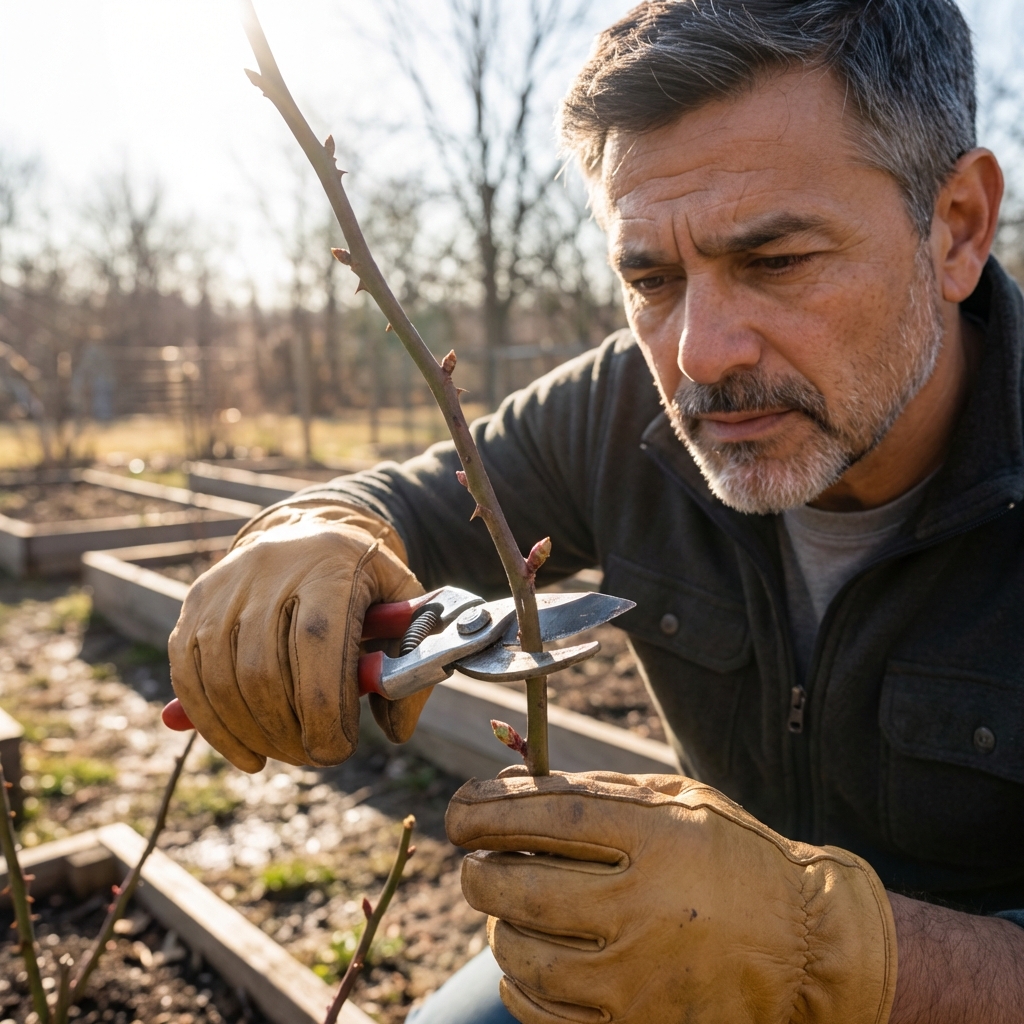
For most roses in most home gardens, the main prune happens in late winter to early spring, right as the plant is waking up.
- Prune after the worst cold is past, but before the plant puts on lots of soft new growth.
- A simple cue: prune when you see buds swelling and new reddish growth just starting.
- In many areas, that is around the time forsythia blooms, if you have it nearby.
Why this timing works: you avoid stimulating tender growth that can get damaged by later cold snaps, and you remove dead or failing wood that can harbor pests or disease.
Quick pruning calendar
Late winter to early spring: main prune
This is when you do your biggest shaping and thinning. You remove dead wood, crossing canes, weak growth, and shorten healthy canes to guide the plant’s shape.
Spring and summer: light pruning
During the growing season, focus on:
- Deadheading spent blooms to encourage repeat flowering (for repeat-blooming varieties).
- Removing damaged, broken, or diseased canes anytime you notice them.
- Pinching or lightly trimming lanky shoots that throw the shape off.
Fall: mostly hands-off
In most climates, avoid hard pruning in fall. Big cuts can trigger new growth that will not harden off before cold weather.
What you can do in fall:
- Remove clearly diseased leaves and any black spot litter.
- Trim only what is necessary to prevent wind rock or canes whipping and snapping in storms.
- In cold areas, focus on winter protection instead of pruning.
Timing by rose type
Most confusion comes from treating all roses the same. The best timing depends on whether the rose blooms on new wood (current season growth) or old wood (last year’s canes).
Hybrid tea, floribunda, grandiflora
- When: Late winter to early spring.
- How hard: These tolerate and often benefit from a more serious prune.
- Goal: Fewer, stronger canes and larger blooms.
Shrub roses
- When: Late winter to early spring for shaping and cleanup.
- How hard: Usually moderate. Think “reduce size and open the center,” not “cut to stubs.”
- Goal: Keep a natural shape with good airflow and steady flowering.
Climbing roses
Climbers tend to trip people up because the long canes are the framework. The right timing depends on what the plant blooms on.
- If it blooms once on old canes: Do cleanup in late winter, then do major reduction and shaping right after the main bloom so you do not cut off next year’s flowers.
- If it repeat-blooms and flowers on new growth: You can do more of the main prune in late winter to early spring, then maintain with light trimming after flushes.
- What to cut: Remove dead or weak canes anytime. Keep the strongest main canes and prune side shoots back to a few buds.
- Tip: Training canes more horizontal usually increases flowering along the length.
If you are not sure which you have, watch it for one season or look up the variety name. “Once-blooming” usually means prune after flowering.
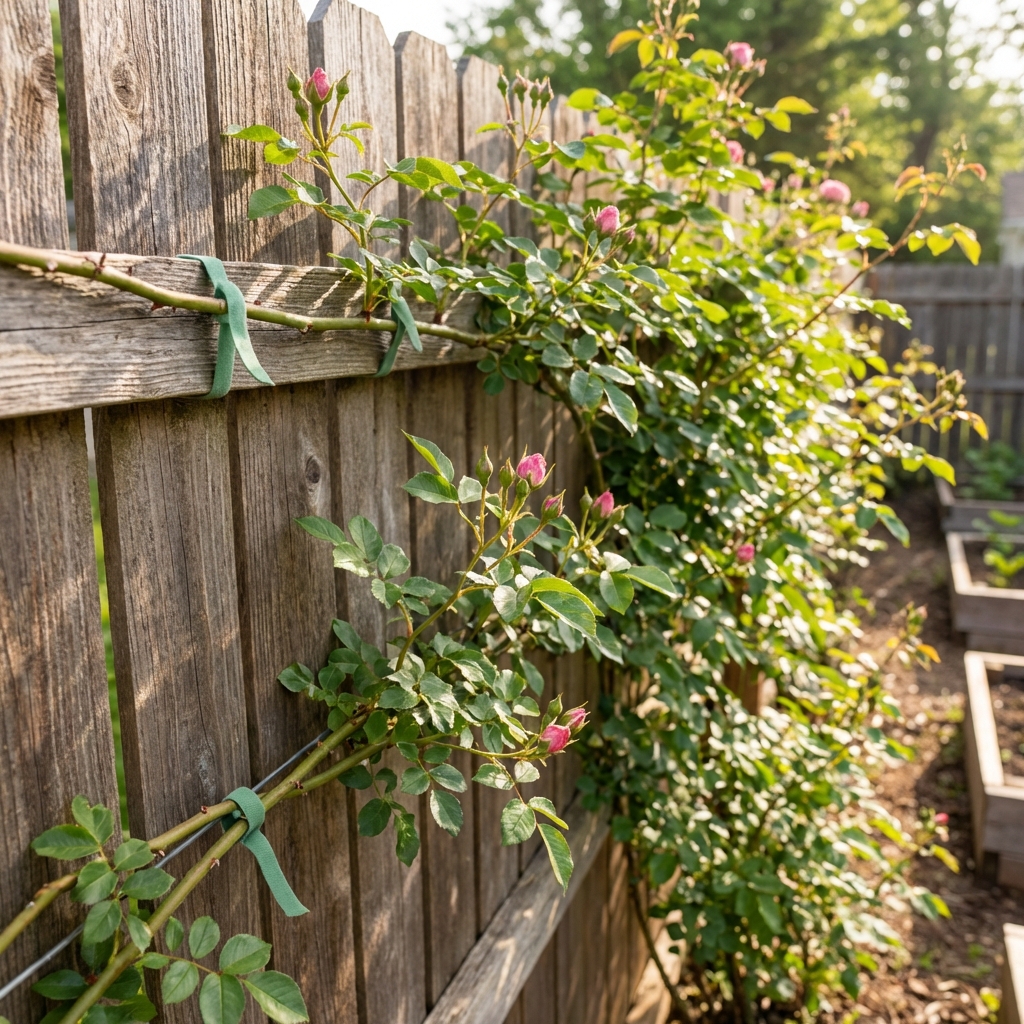
Once-blooming old garden roses and some ramblers
- When: Prune right after flowering.
- Why: They set next year’s blooms on older wood. If you prune hard in late winter, you remove flowers.
- Approach: After bloom, remove a few of the oldest canes at the base and lightly shape.
Knock Out type and other landscape roses
- When: Late winter to early spring.
- How hard: They handle a strong cut, but you can also do a simple “reduce by one-third” prune.
- Tip: If they are huge and woody, renovate over 2 years by removing some old canes each spring.
Miniature roses
- When: Late winter to early spring.
- How hard: Light to moderate. Remove dead wood and shorten to shape.
Climate and timing
Cold winter areas
- Wait until you are past the harshest cold, then prune as buds swell. Sub-freezing nights after pruning can damage fresh growth.
- If winter damage is common, plan on a two-step prune: do a rough cleanup in early spring, then finish shaping after you see what is truly alive.
- Example timing: very cold zones often prune later, sometimes early to mid spring, once severe freezes are fading.
Mild winter areas
- Many gardeners prune in mid to late winter to reset the plant before heavy spring growth.
- In very warm zones where roses barely rest, a stronger annual prune can help refresh growth and boost flowering.
- Example timing: in many Zone 9 to 11 gardens, pruning often happens mid-winter (often January or February) before the spring push.
How to prune
You do not need fancy tools. You do need sharp ones.
Tools and prep
- Bypass pruners for most canes.
- Loppers for thick, woody canes.
- Thick gloves and long sleeves to protect from thorns.
- Wipe blades with rubbing alcohol when moving between plants. If you are cutting diseased wood, disinfect more often. Some gardeners use a diluted bleach solution, then rinse and dry tools to help prevent corrosion.
Pruning order
- Remove dead wood first. Dead canes look brown and dry inside when lightly scraped.
- Cut out diseased canes (blackened, cankered, shriveled). Cut back to healthy tissue.
- Remove crossing canes and anything rubbing. Keep the healthier, better-positioned cane.
- Open the center for airflow, especially with hybrid teas and floribundas.
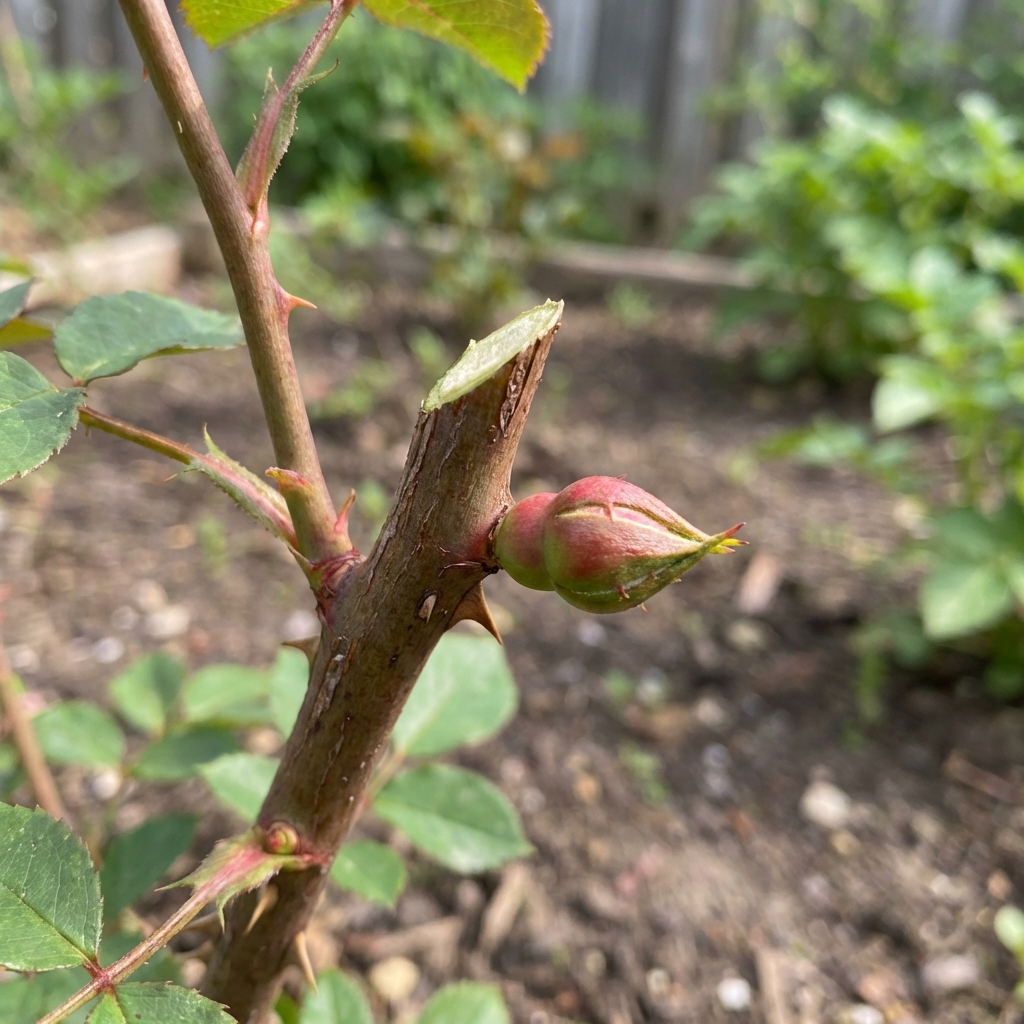
- Shorten remaining canes to shape, cutting about 1/4 inch above an outward-facing bud at a slight angle.
How much to cut back
- Hybrid tea types: Often cut to 12 to 24 inches, leaving 3 to 6 strong canes.
- Shrub and landscape roses: Reduce by about one-third to one-half, depending on size and vigor.
- Climbers: Keep main canes, shorten side shoots, and remove only what is dead, weak, or badly placed.
If you are unsure, prune a little lighter. You can always take more off later, but you cannot put canes back.
Don’t forget suckers
If you have a grafted rose, watch for suckers coming from below the graft union (often from the roots). They usually look different than the rest of the plant and grow fast. Remove them as close to the origin as possible so they are less likely to return.
Deadheading
Deadheading is not the same as pruning, but it is the easiest way to keep repeat-blooming roses pushing flowers.
- When: As blooms fade and petals drop.
- How: Cut back to the next strong leaf node. A common old-school guideline is cutting above a leaf with five leaflets, but many modern roses rebloom fine when you simply cut to any strong, outward-facing node.
- When to stop: In colder climates, stop deadheading 4 to 6 weeks before your first expected frost so the plant can slow down.
Common mistakes
- Pruning hard in fall: Save major cuts for late winter or early spring. In fall, do only safety trims and cleanup.
- Leaving a jungle of thin canes: Thin growth makes weak flowers and invites disease. Remove spindly canes and focus on strong structure.
- Dull tools that crush stems: Sharpen pruners or replace blades. Clean cuts heal faster.
- Not cleaning up leaf litter: Old leaves can hold black spot and other issues. Cleaning helps, but in high-pressure areas you may also need good spacing, watering at the base, resistant varieties, and sometimes fungicide.
- Worrying about the perfect angle: A clean cut in the right place matters more than “perfect.” Do your best and move on.
If you pruned at the wrong time
It happens. Here is how to recover without stressing the plant further.
If you pruned too early and a freeze hits
- Do nothing during the cold snap.
- After temperatures stabilize, prune back any blackened, mushy tips to healthy tissue.
- Hold off on heavy fertilizing until you see strong new growth.
If you pruned too late
- Make only the essential cuts: dead, diseased, crossing, or clearly misplaced canes.
- Skip a major reshape and aim for a lighter season. You can do a stronger prune next year.
Aftercare
- Clean up all cuttings and diseased leaves.
- Compost note: Avoid composting diseased material unless you reliably hot-compost at high temperatures. When in doubt, bag and discard.
- Mulch with 2 to 3 inches of organic mulch, keeping it a couple inches away from the base.
- Water deeply if conditions are dry.
- Feed when new growth starts, using a balanced rose fertilizer or compost depending on your routine.
- Watch for pests on fresh growth (aphids love the first flush). A strong spray of water often handles them early.
Fast FAQ
Can I prune roses in summer?
You can do light pruning, deadheading, and removing damaged or diseased canes. Avoid a hard structural prune during extreme heat.
Do I need to seal rose cuts?
Usually no. Clean cuts with sharp tools are enough. Focus on sanitation and good airflow instead.
How do I know if a cane is dead?
Scrape the surface lightly. Green underneath is alive. Brown and dry is dead, cut it out.
The takeaway
If you remember just one thing, make it this: most roses get their main prune in late winter to early spring, and once-blooming roses get pruned right after they flower. Start by removing dead and diseased wood, open the plant for airflow, then shape it. Your rose will do the rest.

Jose Brito
I’m Jose Britto, the writer behind Green Beans N More. I share practical, down-to-earth gardening advice for home growers—whether you’re starting your first raised bed, troubleshooting pests, improving soil, or figuring out what to plant next. My focus is simple: clear tips you can actually use, realistic expectations, and methods that work in real backyards (not just in perfect conditions). If you like straightforward guidance and learning as you go, you’re in the right place.