Rats live by their noses. They use scent to find food, follow “safe” travel routes along walls, and locate warm nesting spots. That’s why strong odors can sometimes help push them away. The catch is this: smells are a short-term pressure tactic, not a full solution by themselves.
Also worth saying out loud: evidence for many scent repellents is mixed, and a lot of the “it worked for me” results are anecdotal. Treat scents as a supplemental deterrent that buys you time while you fix the real attractants.
If you want natural rat repellents to actually help in a real backyard, stick to this order of operations:
- Remove food and water (so there’s no reason to stay).
- Block entry points (so they cannot come right back).
- Use smells as a “no thanks” barrier while you handle cleanup and exclusion.
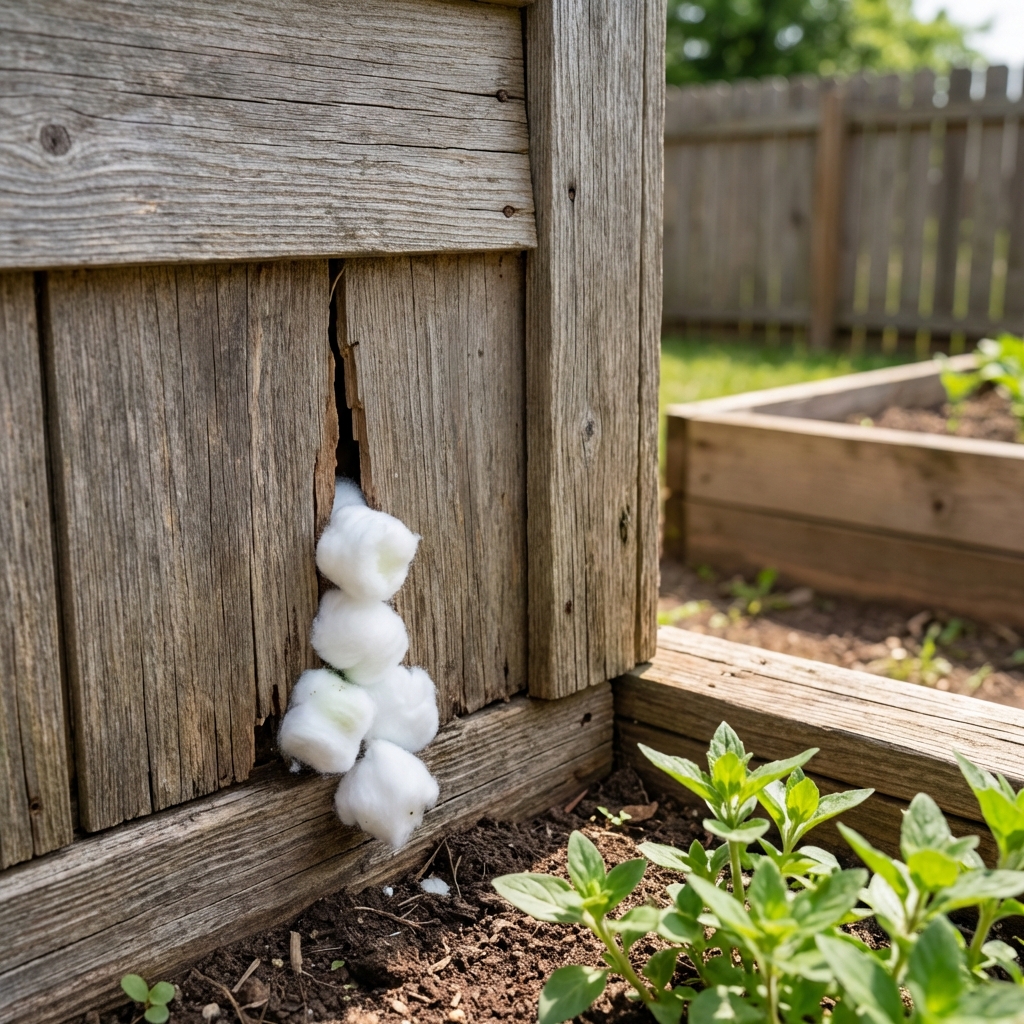
Best scent to try first
If I had to pick one scent that shows up most often in homeowner advice and real-life attempts, it’s peppermint. Not peppermint candy. Peppermint essential oil with a sharp menthol smell.
Rats do not “hate” it in a magical, permanent way. They can still push through it if there is food and shelter on the other side. But peppermint may help by:
- Making a sheltered area less comfortable (especially enclosed spaces like cabinets and sheds).
- Confusing or discouraging travel along runways (baseboards, fence lines, garage edges), at least temporarily.
- Encouraging them to choose an easier route elsewhere when you pair it with exclusion.
Top natural smells to try
Here are common scent-based deterrents people try. I’m listing them in the order I’d test them around a home and garden. Results vary, so think of this list as “best bets” rather than guarantees.
1) Peppermint oil
Best for: garages, sheds, crawl spaces, cupboards, under sinks, compost-bin areas (outside only), and along known runways.
How to use it:
- Soak cotton balls with 10 to 15 drops of peppermint oil.
- Place them in small dishes or on foil so the oil does not stain wood.
- Refresh every 2 to 3 days at first, then weekly once activity drops.
Garden note: Outdoors, wind and rain erase scent fast. Use peppermint mainly in covered spots like under a deck or inside a shed.
2) Eucalyptus oil
Best for: enclosed spaces where you want a second option if peppermint is not doing much.
How to use it: same cotton ball method as peppermint. Some folks rotate scents to keep the area consistently unpleasant.
3) Citronella and lemongrass
Best for: outdoor edges near patios, stored equipment, and transition zones between yard and home.
How to use it: apply to cotton balls in covered areas, or use a spray (recipe below) on hard surfaces like concrete. Avoid spraying directly on edible plants.
4) Vinegar
Best for: wiping down areas where rats travel (baseboards, garage floors, trash can pads). Vinegar does not last long, but it is cheap and useful for cutting food odors and temporarily reducing scent trails on hard surfaces.
How to use it: wipe surfaces with straight white vinegar, let it air dry, then follow with exclusion and bait removal.
5) Strong spice smells (clove, cinnamon)
Best for: small enclosed spaces and cabinets. Clove oil in particular is intense. Use sparingly and keep away from kids and pets.
6) Predator scents (with a reality check)
You will hear about fox urine, coyote urine, and similar products. Sometimes they help in very specific outdoor situations, but they can also be messy and inconsistent. If you go this route, use them outside only, and do not rely on them as your main defense.
Strong smells to avoid indoors
A few odors may bother rats, but I do not recommend using them casually around a home, garden, or pets.
Ammonia
Ammonia smells a bit like urine and can be irritating to rats, people, and pets. It can also be dangerous if mixed with bleach or other cleaners. If you use it at all, keep it outside living areas, use tiny amounts, ventilate well, and focus on sealing entry points instead.
Mothballs
Mothballs are pesticides, not a home remedy. They are toxic and the fumes can be harmful. They are also commonly misused. Skip them.
How to use repellents right
This is the part most articles skip. Repellents fail when they are placed randomly or used without removing the “why” behind the rat visit.
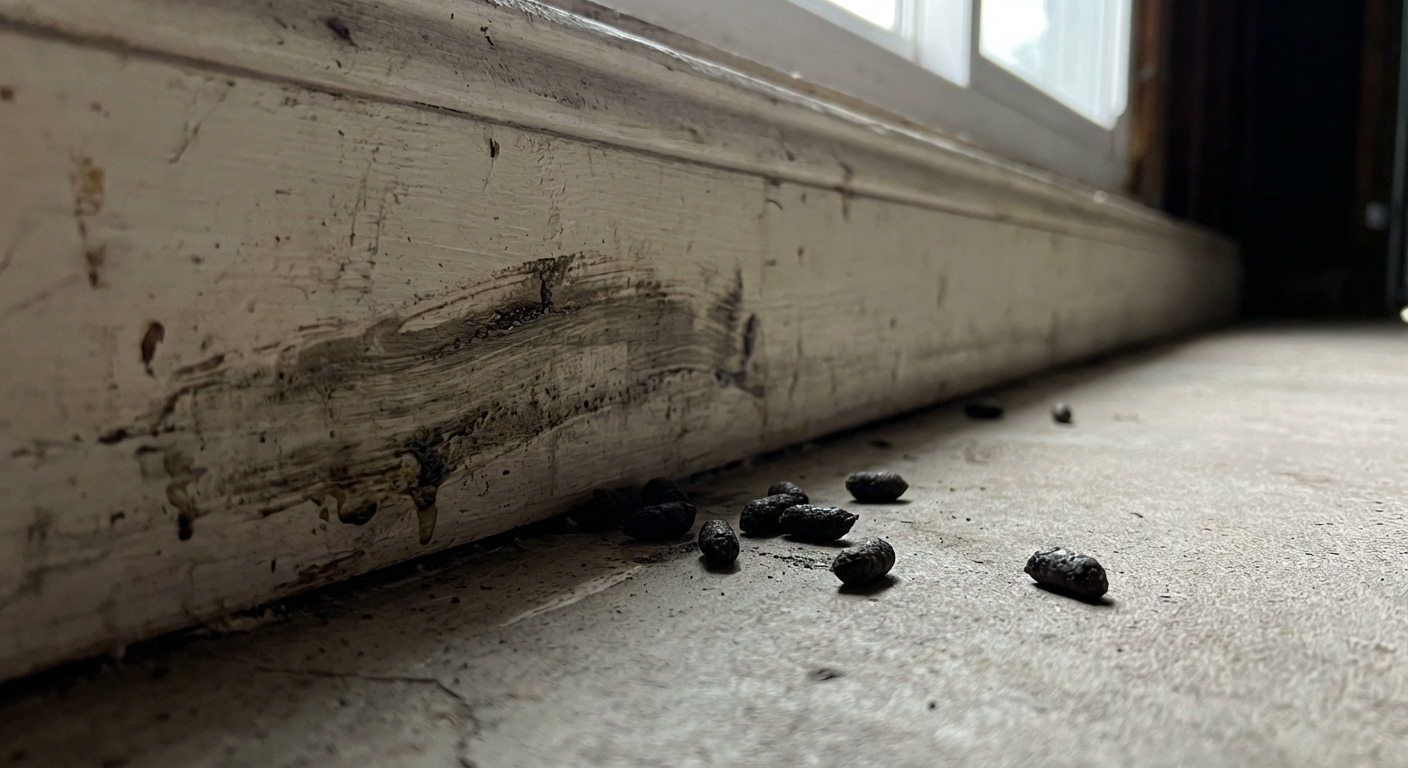
Step 1: Confirm rat travel paths
Look for greasy rub marks along walls, droppings, gnaw marks, and burrows near foundations or under sheds.
Step 2: Remove easy meals
- Store bird seed, chicken feed, and pet food in metal cans with tight lids.
- Clean up fallen fruit and spilled compost.
- Use lidded trash cans and rinse recyclables.
- Do not leave water bowls out overnight if you have an active rat problem.
Step 3: Seal openings first
If rats can enter, they will. As a rule of thumb, rats can squeeze through gaps as small as about 1/2 inch (12 to 13 mm), depending on age and body size. Focus on:
- Gaps under garage doors and side doors
- Openings around pipes and cables
- Vents without proper screening
- Cracks in siding, soffits, and foundations
Materials that hold up: steel wool plus sealant, hardware cloth, metal flashing, and proper door sweeps.
Step 4: Place scents like a barrier
Put the scent right where the rats move, not in the middle of the room. Think edges, corners, and runways.
- Every 4 to 6 feet along a runway is a good start in enclosed spaces.
- Replace often. If you cannot smell it, it is not doing much.
- In damp areas, refresh more frequently.
DIY peppermint spray
This works best on hard, non-porous surfaces like concrete, metal, and finished wood. Do not drench insulation or raw wood.
- 2 cups water
- 1 to 2 teaspoons peppermint essential oil (start small indoors)
- 1 teaspoon mild dish soap (helps the oil mix)
Mix in a 16 to 20 oz spray bottle. Shake well before each use. Spray lightly along edges and let dry. Reapply every few days.
Test first: spot-test on an inconspicuous area, especially on finished wood and painted surfaces.
Safety note: essential oils can irritate pets (cats in particular), kids, and some adults (asthma, migraines). Use good ventilation, keep cotton balls and sprays where pets and children cannot access them, avoid using strong oils in small unventilated rooms, and keep oils away from heat or open flames. Oils can also stain porous materials.
Where scents work best
Best places
- Inside sheds, garages, and storage rooms
- Under kitchen sinks and behind appliances (if you can place safely)
- Along baseboards and known runways
- Under decks and covered porches (protected from rain)
Where they disappoint
- Open garden beds and exposed yards (wind and weather)
- Anywhere with ongoing food sources (chicken feed, bird feeders, overflowing compost)
- Active nests and established infestations
Faster results
1) Traps in the right spots
Snap traps placed along walls (not out in the open) are often the quickest way to reduce numbers. If you are squeamish, wear gloves and place them inside protective trap boxes for safety around kids and pets.
2) Habitat cleanup
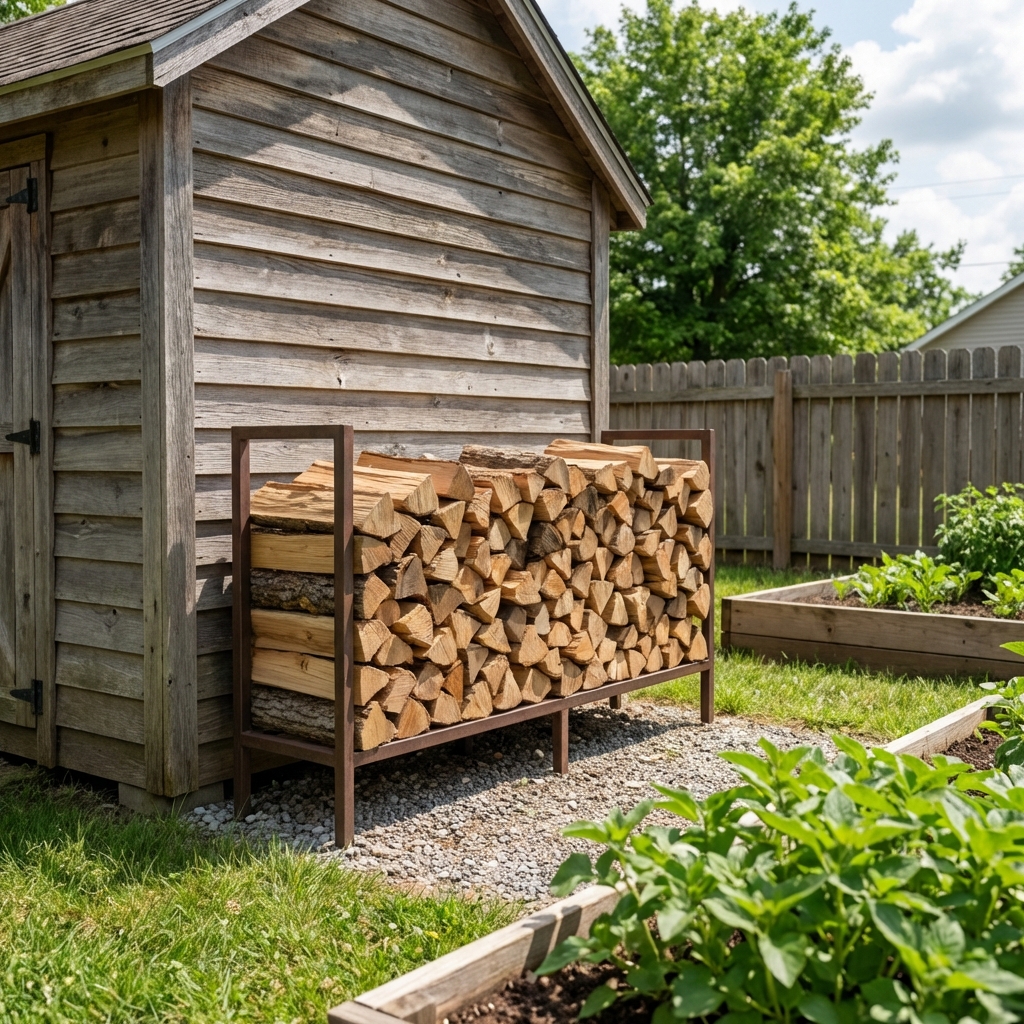
Trim tall grass, remove brush piles, elevate firewood, and keep compost managed. Rats love cover. Make your yard less cozy.
When to call a pro
DIY can work, but it is smart to bring in a licensed pest professional if you see any of this:
- Rats active in daylight
- Repeated activity after you sealed obvious entry points
- Burrows near the foundation, or signs in the attic or walls
- You cannot safely access the areas that need exclusion
Droppings cleanup
Do not dry sweep or vacuum droppings. Ventilate the area, wear gloves and a mask, lightly mist droppings with disinfectant (or a bleach solution made and used safely), wait a few minutes, then wipe up with disposable towels and bag everything.
Quick FAQs
Do rats hate bleach?
Strong chemical smells can bother them, but bleach is mainly a disinfectant and it is not a reliable repellent. Bleach fumes are not something you want to rely on for pest control.
How long does peppermint oil last?
Indoors, a few days to a week depending on airflow. Outdoors, often a day or two. Refreshing regularly matters more than using a huge amount once.
Will essential oils make rats leave?
Sometimes they avoid the area temporarily. If food, water, and shelter are still easy, they often relocate a few feet away and keep going. Oils work best after you remove attractants and seal entry points.
Do ultrasonic repellents work?
Some people report short-term changes, but results are inconsistent. If you use one, treat it as optional and do not skip exclusion, sanitation, and trapping.
Bottom line
Peppermint is the best first scent to try for most homeowners, with eucalyptus and citrusy oils as common backups. Use them where rats actually travel, keep the scent fresh, and treat them as part of a bigger plan.
If you do three things, you will see the biggest difference: lock up food, seal holes, and use repellents as a barrier. That is the practical approach that works in most backyards.

Jose Brito
I’m Jose Britto, the writer behind Green Beans N More. I share practical, down-to-earth gardening advice for home growers—whether you’re starting your first raised bed, troubleshooting pests, improving soil, or figuring out what to plant next. My focus is simple: clear tips you can actually use, realistic expectations, and methods that work in real backyards (not just in perfect conditions). If you like straightforward guidance and learning as you go, you’re in the right place.