Bee stings are one of those backyard moments you never plan for. One minute you are watering tomatoes, the next you are doing the one-legged dance near your basil. The good news is most bee stings can be handled at home with basic first aid and a few eco-friendly tools you probably already have.
This page covers what is good for bee stings, what to skip, and when a sting is no longer a DIY situation.
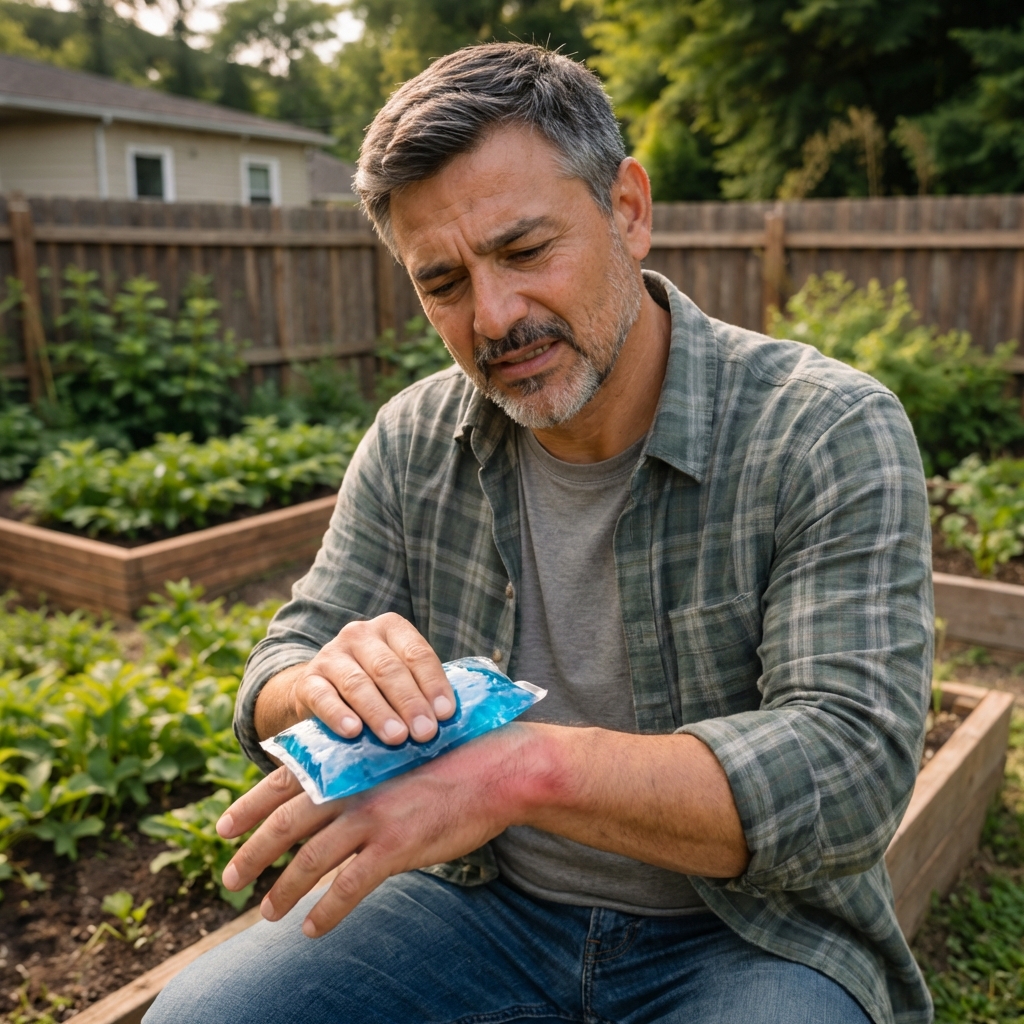
First things first: make sure it is safe
- Step away from the area in case more bees are nearby.
- Stay calm and avoid vigorous movement if it increases throbbing or swelling.
- Check for allergy symptoms right away (details below). If you see red flags, skip home care and get medical help.
What is good for bee stings right away
1) Remove the stinger quickly
If a honeybee stung you, the stinger may still be in your skin and it can keep releasing venom for a short time. The most important thing is speed, so do not waste time hunting for the perfect tool.
- Get it out fast by brushing, scraping, or flicking it out with a clean fingernail.
- Scraping works well using the edge of a credit card, the back of a butter knife, or anything similar.
- If tweezers are what you have, use them. Just try not to squeeze hard on the venom sac while you pull the stinger out.
2) Wash with soap and water
A simple wash removes dirt, pollen, and bacteria so you are less likely to break the skin and invite germs when you scratch later.
3) Cold compress for swelling and pain
Cold is one of the most reliable, non-fussy options for bee stings.
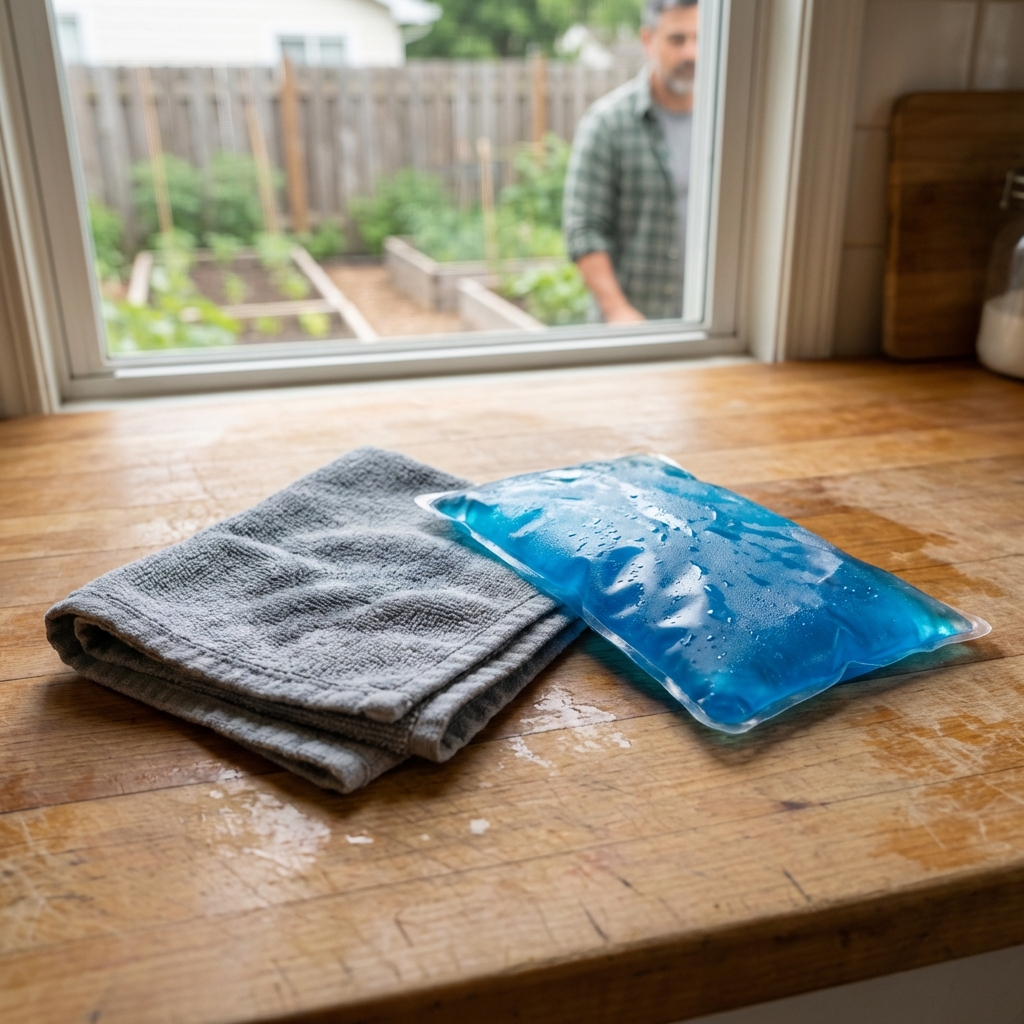
- Use a cool, wet cloth or an ice pack wrapped in a towel.
- Hold it on the sting for 10 minutes, then off for 10 minutes. Repeat as needed.
4) Remove rings and tight jewelry
If you were stung on a finger, hand, wrist, foot, or ankle, take off rings, watches, and snug bracelets early. Swelling can make them hard to remove later.
5) Elevate if it is on a hand, foot, arm, or leg
Raising the area above heart level can help reduce throbbing and swelling, especially for finger and ankle stings.
6) Simple pain relief if you need it
If you are uncomfortable, an over-the-counter pain reliever like acetaminophen or ibuprofen can help, as long as it is safe for you and you follow the label directions.
Eco-friendly soothing options (what actually helps)
After the first-aid basics, your next goal is comfort: less itch, less heat, less swelling. These options are low-waste and easy to find.
Baking soda paste
Mix baking soda with a little water until it forms a paste. Apply a thin layer for 10 to 15 minutes, then rinse. Many people find it helps with itch and irritation, even though evidence is mixed.
Colloidal oatmeal soak or paste
Oatmeal is a classic for itchy skin. If you have colloidal oatmeal, mix with water and dab it on. In a pinch, finely ground plain oats can work as a quick paste.
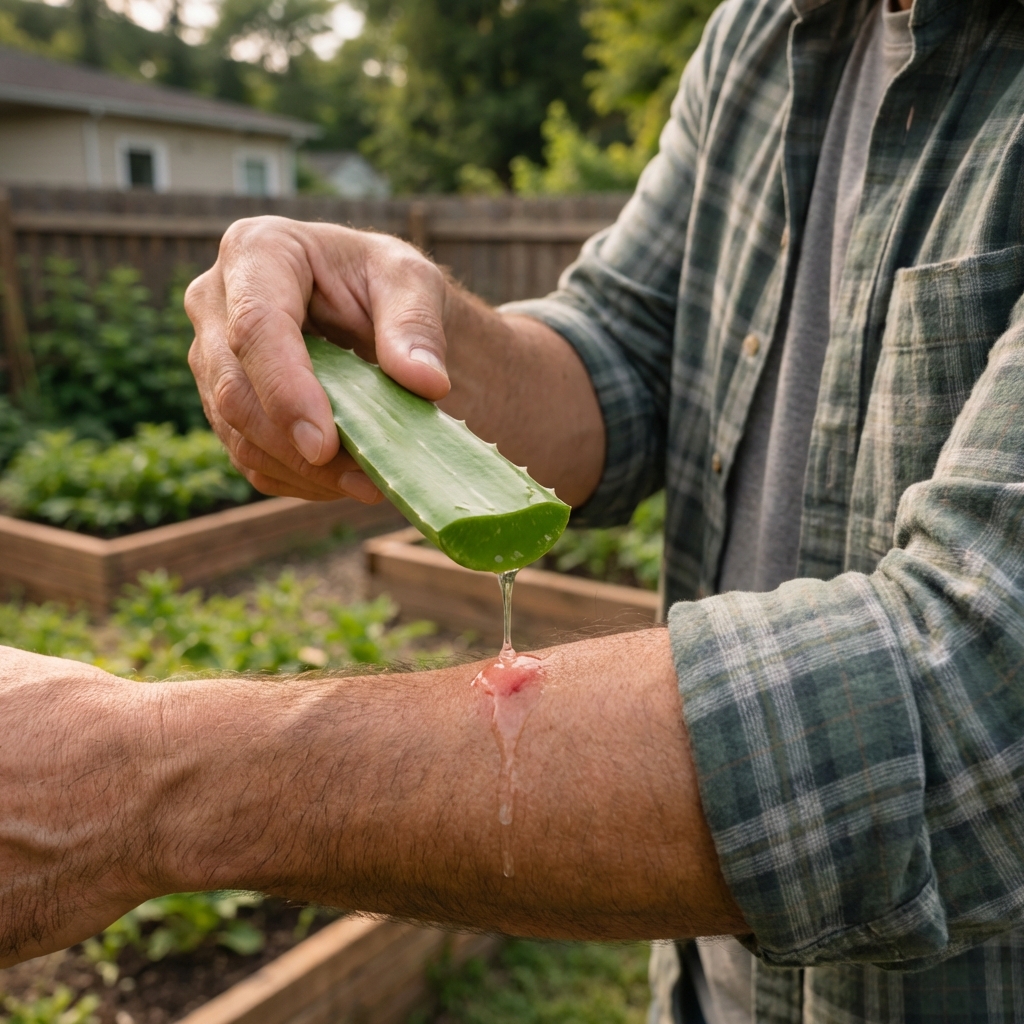
Pure aloe vera gel
Aloe can feel cooling and gentle on irritated skin. Use plain aloe gel without heavy fragrance if possible. If you have an aloe plant, use a clean cut leaf and apply the fresh gel.
Honey (yes, but use it wisely)
A small dab of honey can be soothing for some people, and it is a pantry staple. Use a tiny amount on clean skin. If you have sensitive skin, test a little first, and stop if it stings or seems to irritate. Cover lightly if you are outdoors so you do not attract more insects.
Over-the-counter options that are still simple
If you need stronger itch control, these are common and effective:
- Hydrocortisone 1% cream for itch and inflammation
- Oral antihistamine (like cetirizine or loratadine) for more widespread itch or swelling
If you use these, stick to label directions. Eco-friendly can still include smart medicine when it is the best tool.
Bee vs wasp stings (quick note)
People often say “bee sting” when they mean any stinging insect.
- Honeybees often leave a stinger behind, so stinger removal matters.
- Wasps and yellowjackets usually do not leave a stinger, and they can sting more than once.
The first-aid steps in this guide still apply either way: clean it, cool it, and watch for allergic symptoms.
What to avoid (common mistakes)
- Do not scratch. It is the fastest way to turn a small sting into an irritated, broken patch of skin.
- Do not apply vinegar “just because.” This is a common sting myth and is sometimes mixed up with advice for other insect stings. Vinegar can irritate sensitive skin. If it stings or burns, rinse it off.
- Avoid essential oils directly on the sting. Tea tree, peppermint, and others can trigger contact dermatitis and make things worse, especially in kids.
- Skip heat early on. Warm compresses can feel good later for stiffness, but right after a sting, cold is usually the better call for swelling.
How long does a bee sting last?
Most uncomplicated stings follow a predictable pattern:
- Pain and burning: usually improves within minutes to a couple hours
- Redness and swelling: often peaks within 24 to 48 hours
- Itch: can linger a few days
A larger local reaction can cause swelling over a wider area (for example, a whole hand after a finger sting) and can last up to a week. That can still be normal, but it is worth monitoring closely.
When a bee sting is an emergency
Seek emergency care right away if you notice signs of a severe allergic reaction (anaphylaxis). Call emergency services if any of these appear:
- Difficulty breathing, wheezing, or throat tightness
- Swelling of lips, tongue, face, or throat
- Hives or widespread rash away from the sting site
- Dizziness, fainting, confusion, or rapid pulse
- Nausea, vomiting, or severe stomach cramps along with other symptoms
If you have an epinephrine auto-injector, use it as directed and get medical care immediately. Do not wait and see.
Also call a clinician if:
- The sting is on the eye, inside the mouth, or throat
- You have signs of infection such as fever, pus, worsening pain, or redness that keeps spreading after the swelling should be improving (large local reactions can still look intense for the first 24 to 48 hours)
- Swelling is rapidly worsening or limiting movement
- You were stung many times at once
Low-impact prevention for gardeners
Bees are not out to get you. Most stings happen when we surprise them, trap them, or get too close to a hive. These habits reduce your odds without harming pollinators:
- Wear gloves and closed-toe shoes when harvesting low plants or weeding.
- Shake out garden gloves before putting them on. Bees sometimes rest inside.
- Avoid strong fragrances (perfume, scented lotion) when you will be around flowers.
- Use a calm approach near blooms. Slow movements help.
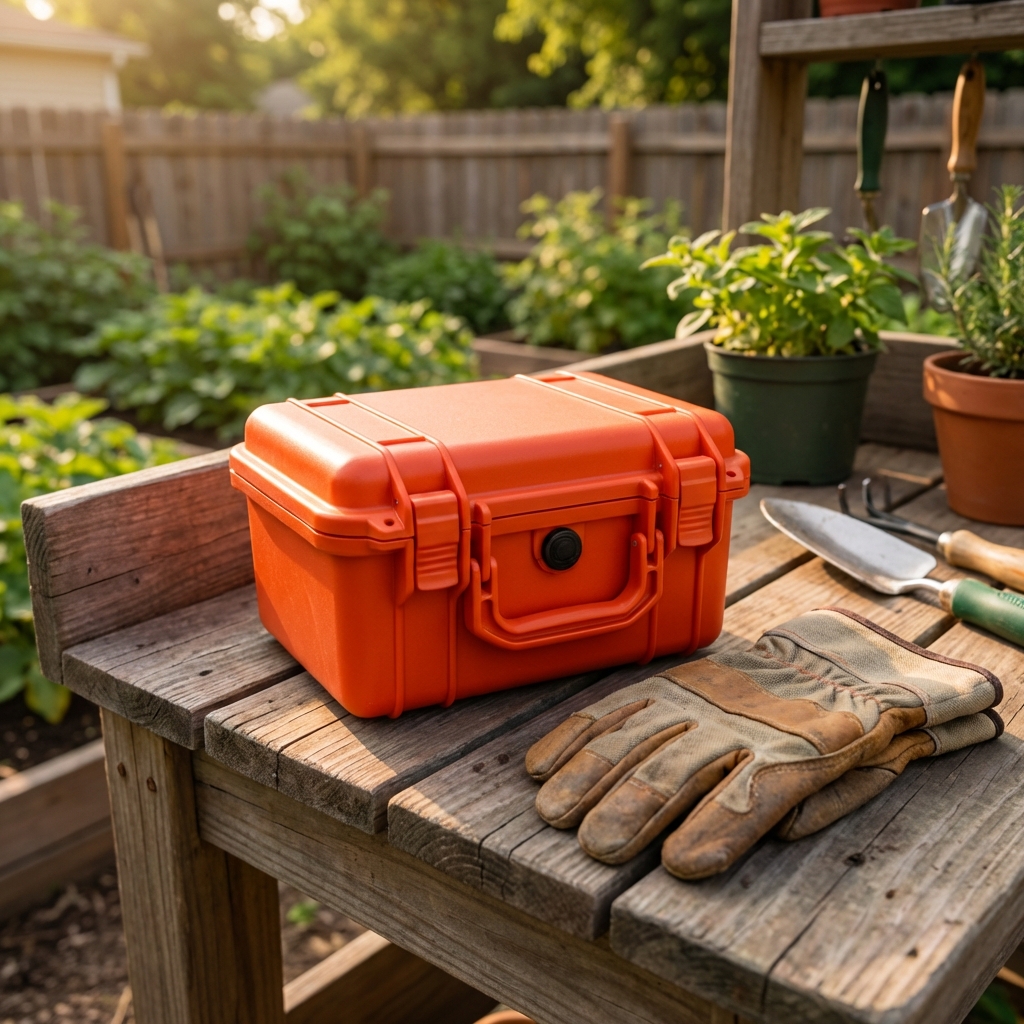
- Keep a small sting kit in a waterproof container: soap, a clean cloth, reusable cold pack, and an antihistamine if your clinician says it is safe for you.
Quick checklist: what is good for bee stings
- Remove the stinger fast (any quick method works)
- Wash with soap and water
- Cold compress in short rounds
- Remove rings and tight jewelry early
- Elevate the area
- Baking soda paste, oatmeal, or aloe for soothing
- Hydrocortisone or an oral antihistamine if needed and safe for you
- Watch for allergy red flags
With quick first aid and a little patience, most stings settle down on their own. Stay safe out there in the garden.

Jose Brito
I’m Jose Britto, the writer behind Green Beans N More. I share practical, down-to-earth gardening advice for home growers—whether you’re starting your first raised bed, troubleshooting pests, improving soil, or figuring out what to plant next. My focus is simple: clear tips you can actually use, realistic expectations, and methods that work in real backyards (not just in perfect conditions). If you like straightforward guidance and learning as you go, you’re in the right place.