Squirrels are basically professional snack hunters. If your yard has trees, bird feeders, or a veggie bed, they have a reason to visit. The tricky part is that squirrels eat a wide range of foods, and what they prefer changes with the season.
Below is what squirrels commonly eat, which foods tend to attract them the most, and a few realistic deterrents that work better than wishful thinking.
Note: “Squirrel” can mean gray, fox, red, and more depending on where you live. Their habits overlap a lot, but what they target most can vary by species and region.
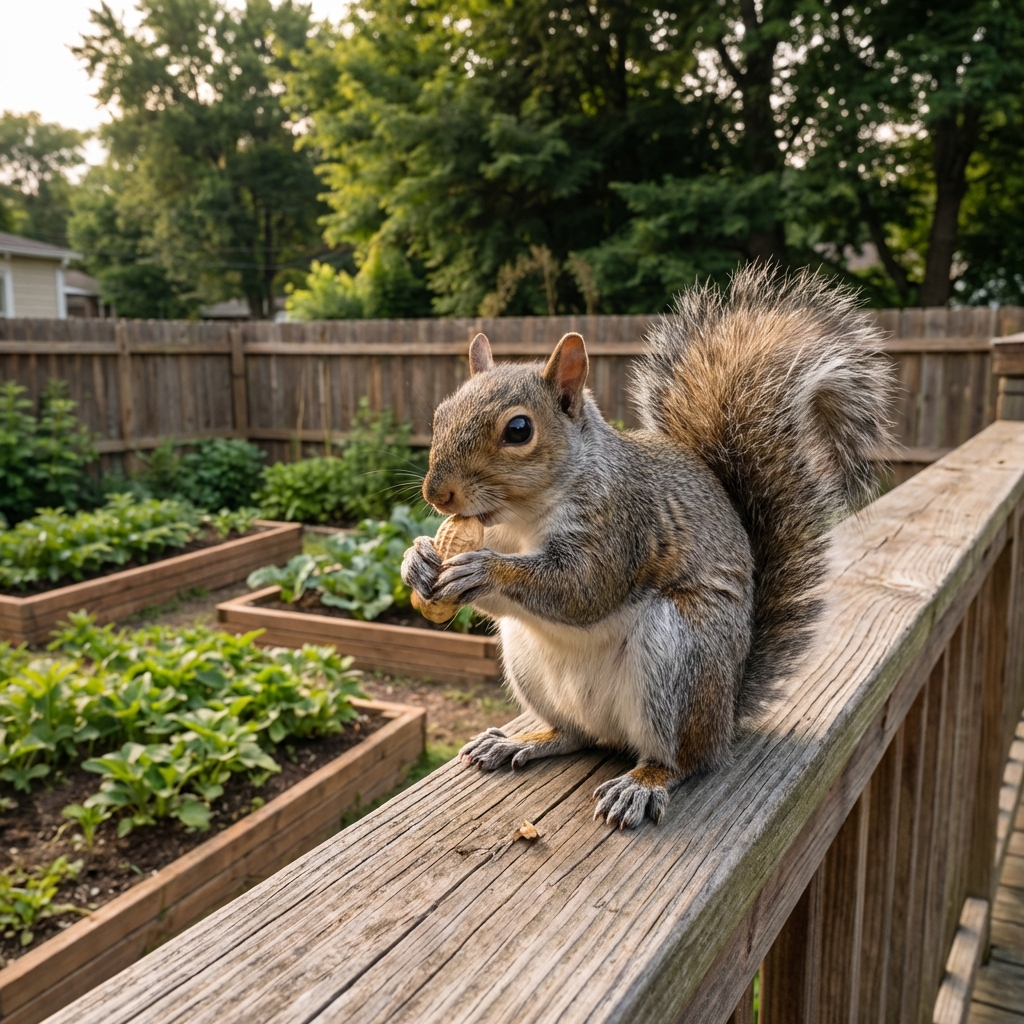
What squirrels eat in the wild
Most of a squirrel’s natural diet is plant-based. They are opportunistic, though, so they will adjust depending on what is easiest to find.
Staple foods
- Nuts: acorns, hickory nuts, walnuts, beechnuts, hazelnuts
- Seeds: pine seeds, sunflower seeds, various grass and weed seeds
- Tree buds and bark: especially in late winter when other food is scarce
- Fungi: mushrooms and other fungi, depending on region and season
- Fruits and berries: wild berries, crabapples, mulberries
Occasional foods
- Insects: beetles, caterpillars, grubs
- Bird eggs or nestlings: uncommon, but documented and usually opportunistic
- Carrion: rare, but squirrels will sometimes scavenge when the opportunity is easy
If you are seeing squirrels chewing bark or stripping branches, it is often a seasonal stress behavior. Late winter and early spring can be lean, and pregnant or nursing females need extra calories.
What squirrels eat in yards and gardens
In neighborhoods, squirrels learn fast. They will take the easiest route to high-calorie food, which is why birdseed and garden produce are such a draw.
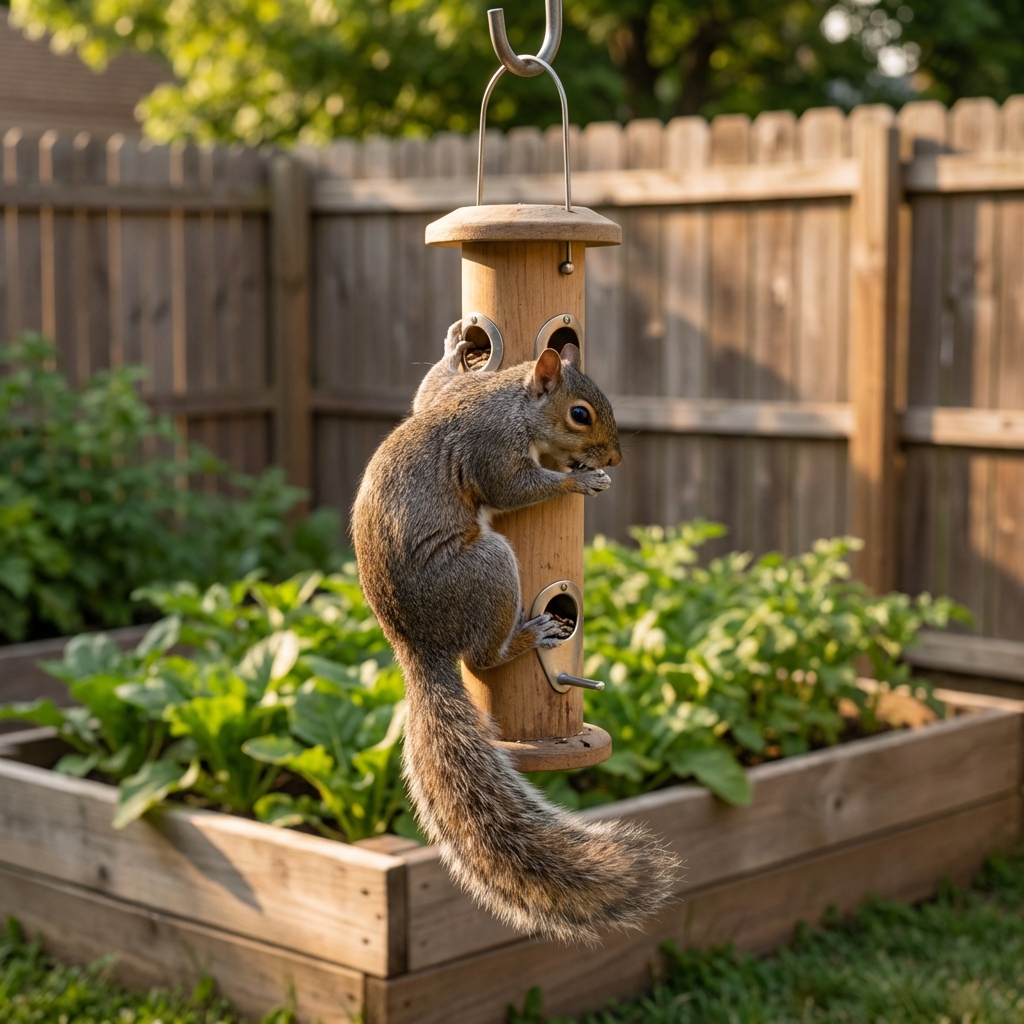
Common backyard targets
- Birdseed: sunflower seed and many mixed seed blends
- Suet: especially in winter
- Pet food: bowls left on patios, barns, or garages
- Compost: food scraps, especially fruit and bread
- Fallen fruit: apples, pears, peaches, figs
- Vegetables: tomatoes, sweet corn, squash, cucumbers, beans, peas
- Bulbs and young plants: tulip bulbs are a classic problem
One thing that surprises gardeners is that squirrels are not always fully eating your tomatoes. Sometimes it looks like they are taking a few bites partly for moisture during hot, dry stretches.
Foods that attract squirrels most
If you are trying to figure out why squirrels keep showing up, start here. These are the usual magnets that keep them coming back.
Top attractants
- Black oil sunflower seed: easy to crack, high in fat, and one of their favorites
- Peanuts and peanut pieces: extremely attractive and often dragged off to stash
- Corn: fresh sweet corn, dried corn, and cracked corn
- Suet cakes: high calorie and easy access
- Tree nuts: especially if you have oaks, hickories, or walnuts nearby
- Fruit trees and fallen fruit: a steady food source in late summer and fall
- Easy water: bird baths and dripping irrigation can keep them lingering
Heads up: “Feeding squirrels a little so they leave the garden alone” usually backfires. You are not just feeding one squirrel. You are training the whole neighborhood that your yard is reliable.
Foods that may deter squirrels
There is no magic food that makes squirrels disappear, but you can make your yard less rewarding by removing the items they love most and switching to options they tend to ignore. Then back it up with physical barriers so “less rewarding” becomes “not worth it.”
Birdseed squirrels often like less
- Safflower seed: many squirrels avoid it, while cardinals and some finches still eat it
- Nyjer seed: often sold as “thistle,” but it is usually sterilized niger seed (Guizotia abyssinica). Great for finches in the right feeder, not a favorite of squirrels.
Flavor deterrents (when used correctly)
- Hot pepper: capsaicin generally does not affect birds the way it affects mammals, but squirrels often dislike it. Use commercial hot pepper birdseed or a product labeled for bird feed. Follow the label, avoid over-applying, and keep it away from eyes, kids, and pets.
- Strong scents: results vary widely. Some repellents work for a short time and then squirrels adapt.
Deterrents work best when they are paired with physical barriers. If squirrels can still sit comfortably and eat, they will tolerate a lot.
Seasonal eating patterns
Knowing what squirrels want in each season helps you predict problems.
Spring
- They dig for bulbs and sample tender sprouts.
- They may chew buds and young bark when food is limited.
Summer
- They target fruit and vegetables, especially juicy ones.
- They may take bites from tomatoes, melons, and cucumbers for water, especially during heat.
Fall
- This is prime nut hoarding season. They bury acorns and nuts all over beds and pots.
- They will also go after sunflower heads and corn.
Winter
- They rely more on stored nuts, bird feeders, and tree buds.
- High-calorie feeder foods (sunflower, suet) become extra attractive.
How to stop attracting squirrels
You do not need a perfect squirrel-proof yard. You just need to make your yard less convenient than the next one.
Bird feeder fixes
- Use a baffle: a quality cone or dome baffle on a pole is one of the best steps you can take.
- Move feeders: place them far enough from launch points like fences, roofs, and tree limbs.
- Switch the menu: try safflower or nyjer if it fits the birds you want.
- Clean up spills: seed on the ground is basically an invitation.
Garden protection that does not rely on luck
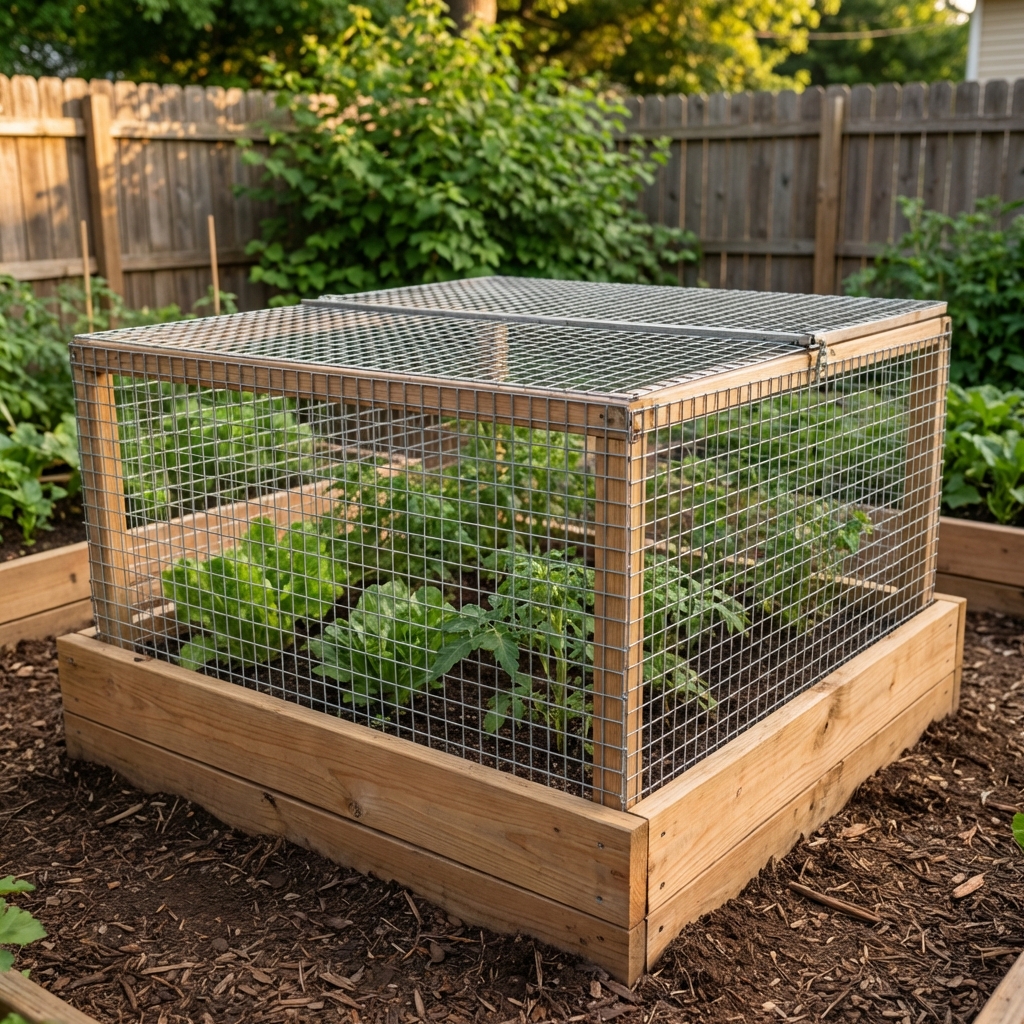
- Netting or cages: protect ripening fruit and tomatoes with secure netting or a simple wire cage. Pull netting tight and fasten edges to reduce the risk of wildlife getting tangled.
- Hardware cloth for bulbs: plant tulips and other favorite bulbs inside a hardware cloth basket (about 1/2 inch mesh works well for many gardens).
- Mulch wisely: loose, fluffy mulch can be fun for digging. Consider heavier mulch or tamp it down in problem areas.
- Harvest early: pick tomatoes as soon as they start blushing and let them finish indoors if squirrels are sampling.
- Add water away from crops: a shallow water dish away from beds sometimes reduces “one bite” tomato damage during heat.
Also helps: squirrels like safe cover. Dense shrubs, wood piles, and easy attic access can make a yard more appealing even if food is limited. Trimming back overhangs and sealing entry points can reduce how comfortable they feel hanging around.
Are squirrels bad to have around?
They are not all bad. Squirrels help spread seeds and they can be part of a healthy backyard ecosystem. The issue is that their food storage habits and constant curiosity can turn into real damage in a small garden.
If you are trying to balance wildlife and harvests, aim for management instead of total elimination. Reduce attractants, protect the plants you care about most, and expect to adjust as seasons change.
Safety note: Skip poison and glue traps. They can harm pets, birds, and other wildlife, and may be illegal where you live. Exclusion and habitat changes are usually the most responsible approach. Check local wildlife regulations if you are considering trapping or relocation.
Quick FAQs
Do squirrels eat meat?
Sometimes. Most of their diet is nuts, seeds, and plant material, but they can eat insects and may occasionally raid nests for eggs. This is typically opportunistic rather than a main food source.
Do squirrels eat tomatoes and cucumbers?
Yes. They may eat them for calories, but in hot weather it can also look like they are taking bites for moisture.
What birdseed attracts squirrels least?
Many squirrels avoid safflower and nyjer, but “least” depends on local squirrels and what else is available.
Will feeding squirrels keep them away from my garden?
Usually no. It tends to increase squirrel traffic and makes your yard a reliable stop.

Jose Brito
I’m Jose Britto, the writer behind Green Beans N More. I share practical, down-to-earth gardening advice for home growers—whether you’re starting your first raised bed, troubleshooting pests, improving soil, or figuring out what to plant next. My focus is simple: clear tips you can actually use, realistic expectations, and methods that work in real backyards (not just in perfect conditions). If you like straightforward guidance and learning as you go, you’re in the right place.