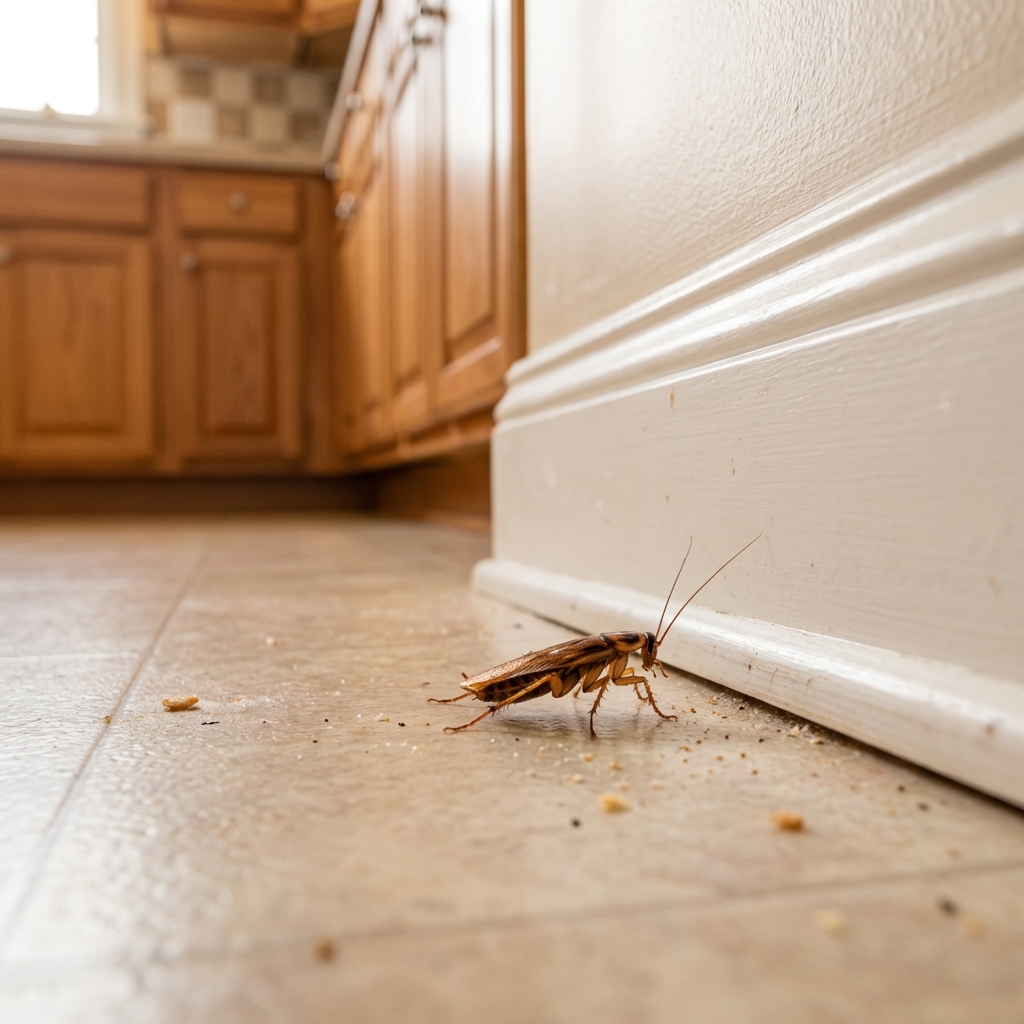
Cockroaches are tough, sneaky, and way too comfortable in our homes. The good news is they are not fearless. Roaches use chemical cues heavily, and strong odors can discourage them from traveling through certain spots. They also rely on tight hiding places, touch, and airflow changes, so scent is only one piece of the puzzle.
Let’s talk about what roaches hate, what can actually deter them, and how to use these methods without wasting time or making your house smell like a spice rack exploded.
Quick reality check
Repelling roaches is not the same as eliminating roaches. Smells can help discourage movement, push roaches away from certain spots, and support other control methods. But if you have an established infestation, smell alone rarely solves it.
Roaches are motivated by three big things: food, water, and shelter. If those are available, they will tolerate a lot, even odors they dislike.
Roach species matters
A quick note that saves a lot of frustration: not all roaches behave the same.
- German cockroaches (small, tan, usually indoors) are the most common kitchen and bathroom problem. They multiply fast and usually require baiting and a full plan to get ahead of them.
- American and smokybrown cockroaches (larger, often coming from outdoors, basements, or drains) may show up from moisture and entry points. Exclusion and moisture control make a bigger impact here.
If you are not sure which you have, sticky traps and a quick photo for an ID can help you pick the right approach.
Scents roaches avoid
These scents are commonly reported to deter cockroaches. Some essential oils show repellency or insecticidal effects in lab settings, but results vary a lot by roach species, product strength, and how severe the problem is. Think of these as tools for steering and maintenance, not magic force fields.
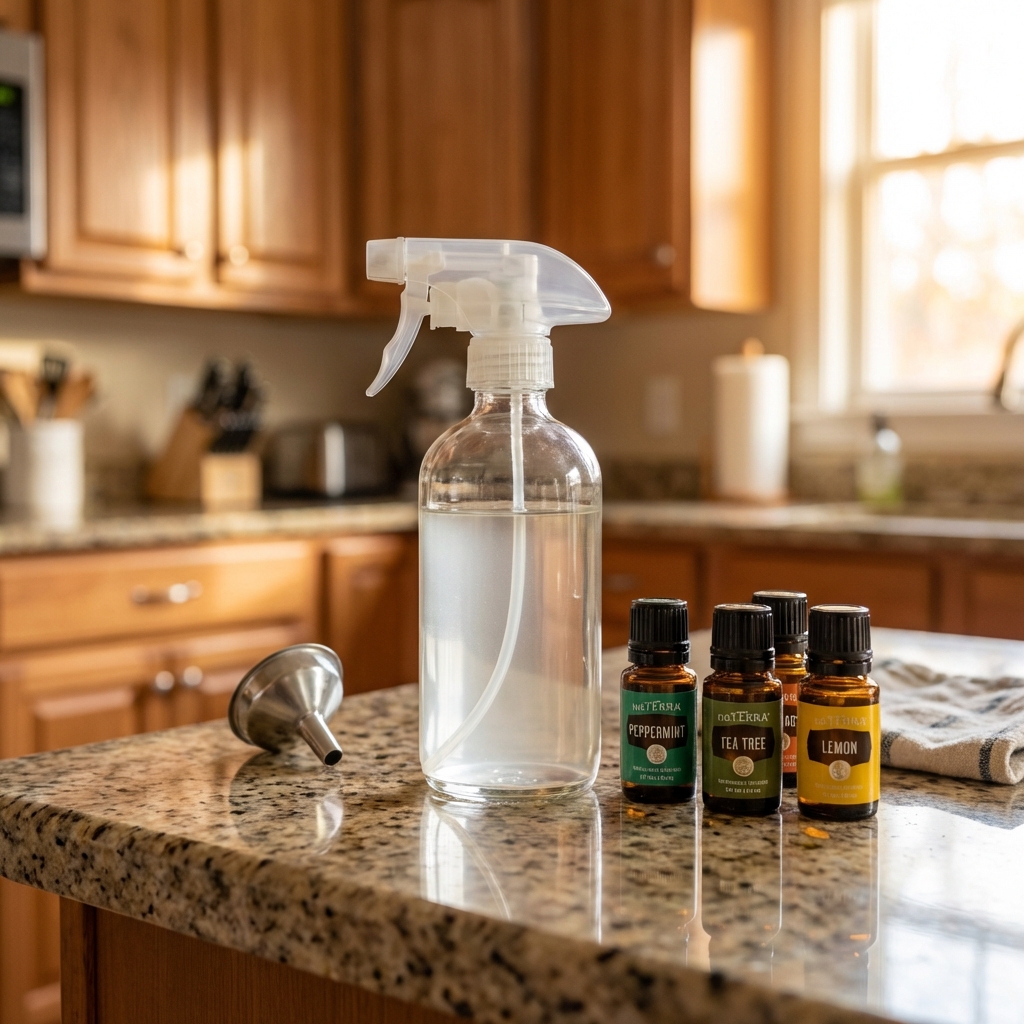
Peppermint
Peppermint oil is one of the most popular “roach hate” scents. It can be useful around entry points, trash areas, and under sinks.
- How to use: Mix 10 to 20 drops peppermint essential oil in 2 cups of water with a tiny splash of unscented dish soap, shake well, and lightly spray along baseboards and cracks.
- Best for: Maintenance and mild activity, not heavy infestations.
Eucalyptus
Eucalyptus oil can also be deterrent for some roaches and is often used the same way as peppermint.
- How to use: Use the same diluted spray method and focus on warm, damp areas like laundry rooms and under-sink cabinets.
- Tip: Reapply regularly since essential oils evaporate.
Tea tree
Tea tree oil has a strong scent and shows insecticidal activity in some lab studies. It may deter roaches, but it can also irritate people and is risky around pets if used carelessly.
- How to use: Keep it diluted and avoid areas where pets walk, lick, groom, or rub.
Lavender
Lavender is sometimes used as a roach deterrent. It is usually more livable than peppermint or eucalyptus if you plan to use it often.
- How to use: Diluted spray in closets, cabinets, and around door thresholds.
Citrus (especially lemon)
Citrus scents are often mentioned as deterrents. Lemon-scented cleaning can help because it combines odor with removing grease and food residue.
- How to use: Use a lemon-scented cleaner, or add a little lemon oil to a cleaning solution for countertops and floors.
Cedar
Cedar is better known for moths and some stored-product pests, but it can be used as a general deterrent scent in closets and storage areas where roaches may travel.
- How to use: Cedar blocks in closets or pantry storage zones. It works best when combined with dry, clean conditions.
Home remedies: what is worth it
Some home remedies are helpful. Some are popular but disappointing. Here’s the straight version.
Bay leaves
Bay leaves are a classic suggestion. The idea is that the smell discourages roaches in cupboards and pantry areas.
- Worth it? As a mild deterrent in enclosed spaces, sure. Do not expect it to clear an infestation.
- How to use: Place whole bay leaves in pantry corners and behind small appliances, and replace when the scent fades.
Cucumber
You will hear that roaches hate cucumber. In practice, it is unreliable. Cucumber also dries out quickly and can become a food source for other pests.
- Worth it? Not really.
Vinegar
Vinegar is great for cleaning and cutting odors, but it is not a reliable roach repellent on its own. Its biggest benefit is sanitation: it helps remove grease, crumbs, and food smells that keep roaches comfortable.
- Worth it? Yes for cleaning support, no as your main “repel” strategy.
Boric acid
Boric acid is not a scent-based repellent, but it is one of the more effective low-cost tools when used correctly. Roaches pick it up on their bodies and ingest it during grooming.
- Worth it? Yes, but use sparingly and carefully.
- How to use: A very thin dusting in cracks and voids (gaps behind cabinets or inside wall spaces), not piles. Boric acid is lower toxicity to mammals than many insecticides, but it is still harmful if ingested. Keep away from kids and pets.
Diatomaceous earth (food grade)
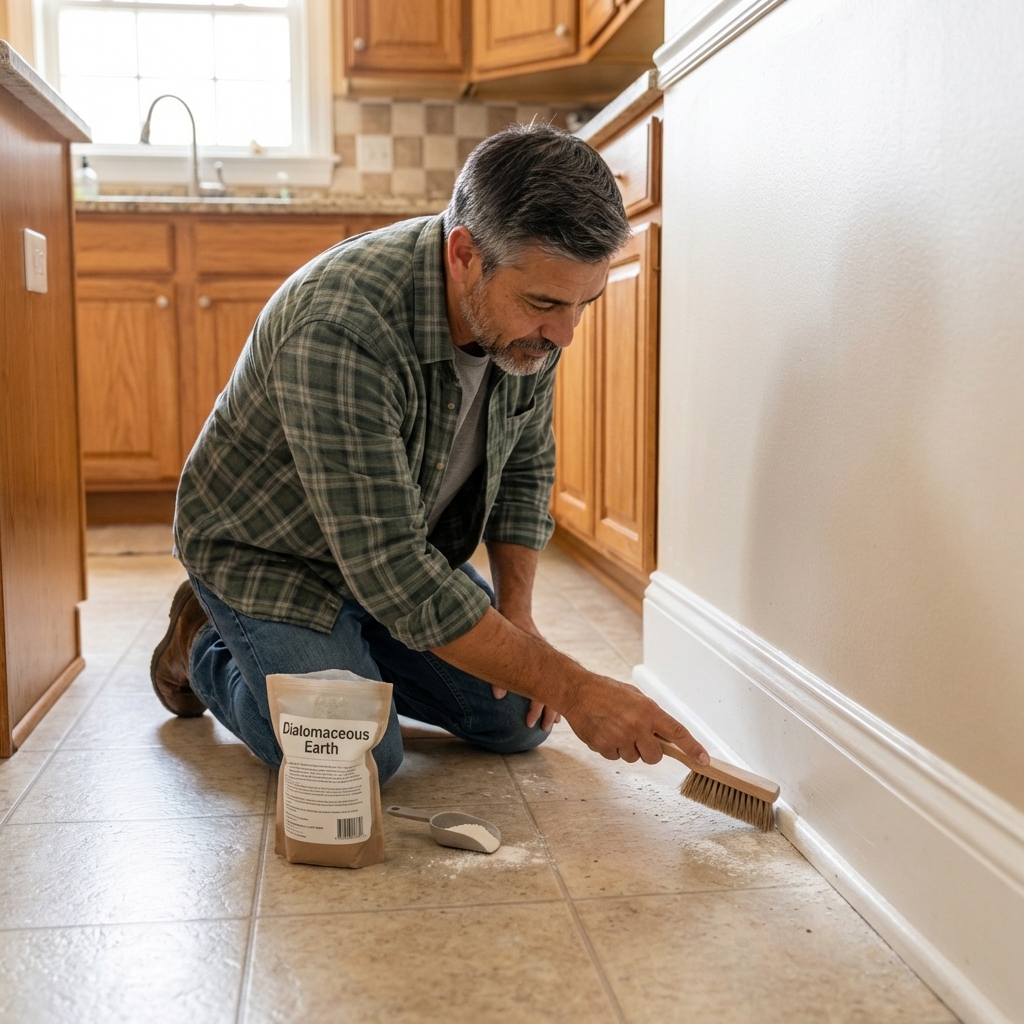
Food-grade diatomaceous earth is a physical control, not a smell. It can work by damaging the roach’s outer layer as they crawl through it. It works best when it stays dry.
- Worth it? Yes as part of a plan, especially in dry areas.
- How to use: Light dusting in wall voids, behind appliances, under sinks, and along baseboards. Avoid making airborne dust.
What works better than scents
If you want results that last, focus on what makes your home unattractive to roaches. These steps are not flashy, but they work.
Dry conditions
Roaches need water more urgently than food. If you remove easy moisture, you cut their survival odds fast.
- Fix drips under sinks and behind toilets.
- Do not leave pet water out overnight if roaches are active.
- Run a dehumidifier in damp basements or laundry rooms.
No easy meals
- Wipe counters and stovetops nightly, especially grease.
- Store pantry foods in sealed containers.
- Take trash out regularly and keep the bin clean.
- Do not leave dirty dishes in the sink overnight during an active problem.
Fewer hiding places
Roaches love tight cracks and clutter. The more harborage you remove, the easier it is to control them.
- Declutter cardboard, paper bags, and piles near warm appliances.
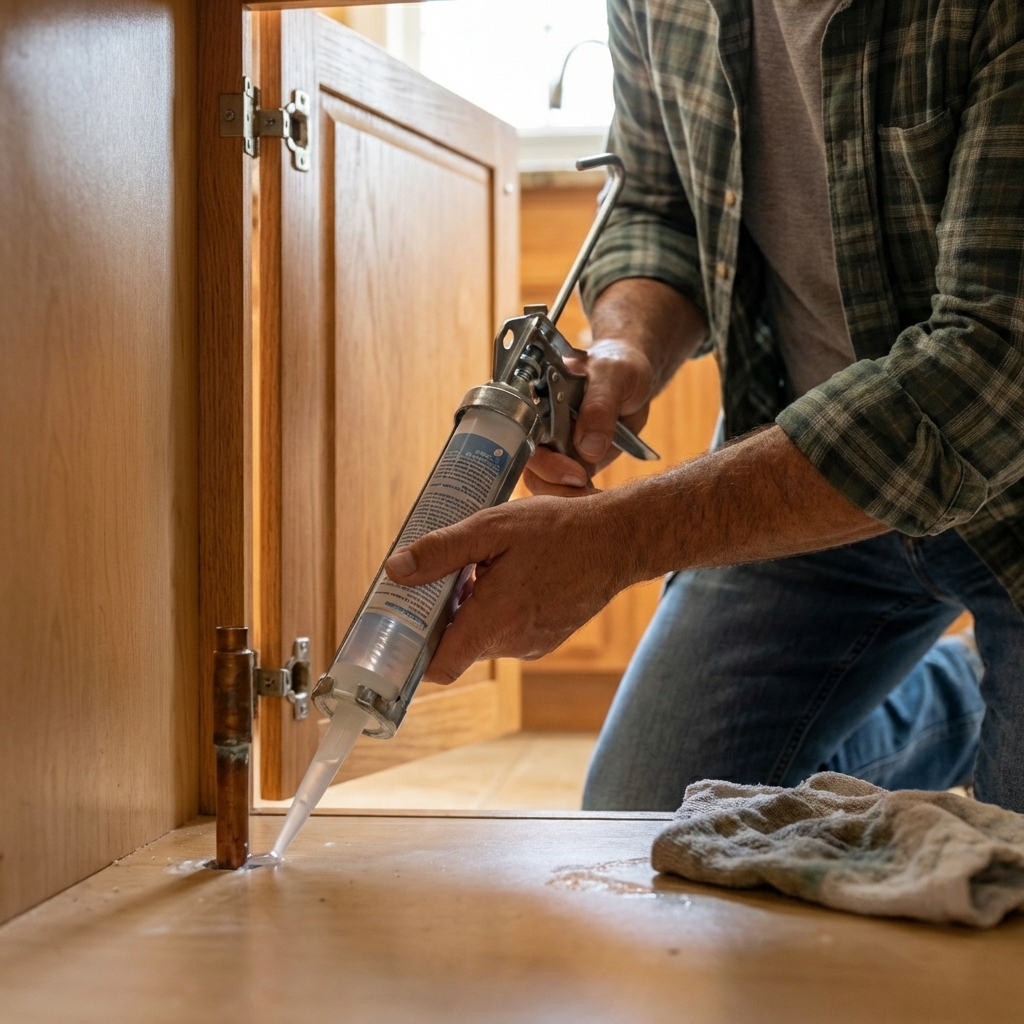
- Seal cracks around baseboards, pipes, and cabinet gaps with caulk.
- Add door sweeps and weather stripping where you see light under doors.
A simple plan that works
If you want a straightforward approach, here’s a practical order of operations. This is the same kind of “stack your wins” method I use in the garden when one quick fix will not do it.
Step 1: Confirm the hot spots
- Put sticky traps under the sink, behind the fridge, and near the stove.
- Check traps after 2 to 3 nights to find the busiest areas.
Step 2: Remove water and easy food
- Dry sinks at night.
- Wipe crumbs and grease.
- Secure trash and pet food.
Step 3: Use baits (and place them well)
Roach baits tend to outperform repellent sprays because they bring poison back to the colony. Repellent sprays can sometimes push roaches deeper into walls and spread the problem.
- Where bait works well: cabinet corners, under-sink cabinet lips, around hinges, along the back edge of drawers, and behind the fridge near the compressor area (where it stays warm).
- Keep bait “clean”: Do not spray essential oils, cleaners, or insect sprays directly over bait placements. Strong odors and residues can reduce feeding.
- Do not mix bait and repellent in the same spot: If you want to use scent, use it as a perimeter tool away from bait.
Step 4: Add a light dust in voids (optional)
Use boric acid or food-grade diatomaceous earth in places people and pets do not access easily, like wall voids and behind appliances. Keep DE dry for best results.
Step 5: Consider an IGR
An insect growth regulator (IGR) is a common professional add-on. It does not kill roaches instantly, but it disrupts development and reproduction, which can make baiting and sanitation work faster over time.
Step 6: Use scent as a perimeter tool
Once the numbers are down, peppermint or eucalyptus sprays can be used around entry points and problem zones as a maintenance layer.
What to expect
With sanitation plus baiting, you should usually see trap counts start dropping within 1 to 2 weeks. Full control can take several weeks, especially with German cockroaches, apartments, or heavy activity.
Methods to avoid
- Heavy “bug bomb” foggers: They are often ineffective for hidden harborages, especially with German cockroaches, and they can drive roaches deeper into walls.
- Over-spraying essential oils: Strong concentrations can irritate lungs, trigger allergies, and are risky around pets.
- Ammonia mixing: Never mix ammonia with bleach or other cleaners. Stick to one product at a time and ventilate.
Pet and kid safety
If you have kids, cats, dogs, birds, or reptiles in the house, treat essential oils and powders like real chemicals. Cats are especially sensitive to many essential oils, and airborne dust can irritate lungs.
- Keep essential oil sprays diluted and use them in targeted areas, not as a whole-room mist.
- Do not apply oils where pets walk, groom, or sleep.
- Spot-test sprays on an inconspicuous area first. Some oils can stain or dull finishes.
- Use baits and dusts in cracks, behind appliances, and inside wall voids when possible.
- If you are unsure, use traps and sanitation first, then consider professional help.
When to call a pro
If you are seeing roaches during the day, finding them in multiple rooms, or noticing baby roaches regularly, the colony is likely well established. At that point, professional-grade baits, an IGR, and an inspection for entry points and moisture issues can save you weeks of frustration.
Bottom line
Roaches can avoid certain scents, especially strong essential oils like peppermint and eucalyptus, and those can help discourage them in specific areas. But the real “repellent” is a home that is dry, clean, sealed up, and using bait-based control where it counts.
If you want the quickest improvement: fix moisture, clean nightly, place sticky traps, then use baits in the hot spots. Add scents as support, not the whole plan.

Jose Brito
I’m Jose Britto, the writer behind Green Beans N More. I share practical, down-to-earth gardening advice for home growers—whether you’re starting your first raised bed, troubleshooting pests, improving soil, or figuring out what to plant next. My focus is simple: clear tips you can actually use, realistic expectations, and methods that work in real backyards (not just in perfect conditions). If you like straightforward guidance and learning as you go, you’re in the right place.