If you have ever walked outside and found your hostas trimmed down to stubs or your bean plants nipped off like someone used scissors, you have probably met your local deer the hard way.
Deer are primarily browsers, not grazers like cows. That means they usually prefer tender leaves, buds, shoots, and twigs over lawn grass. And in a backyard full of irrigated, fertilized plants, they often have an easier buffet than they would in the woods.
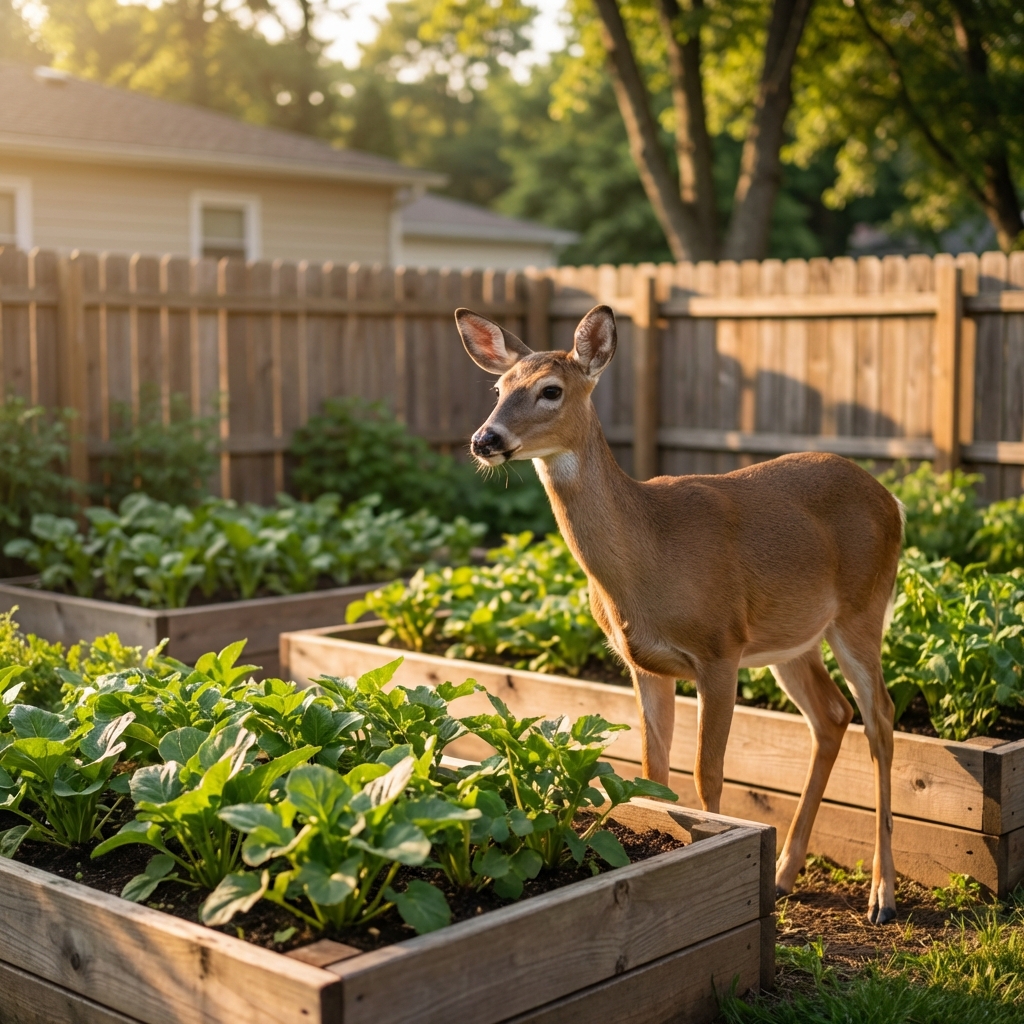
What deer eat most often
Deer diets are flexible. They eat what is available, what is easy to reach, and what tastes good to them at that moment. In most neighborhoods, their main foods fall into a few categories.
Leaves, shoots, and tender new growth
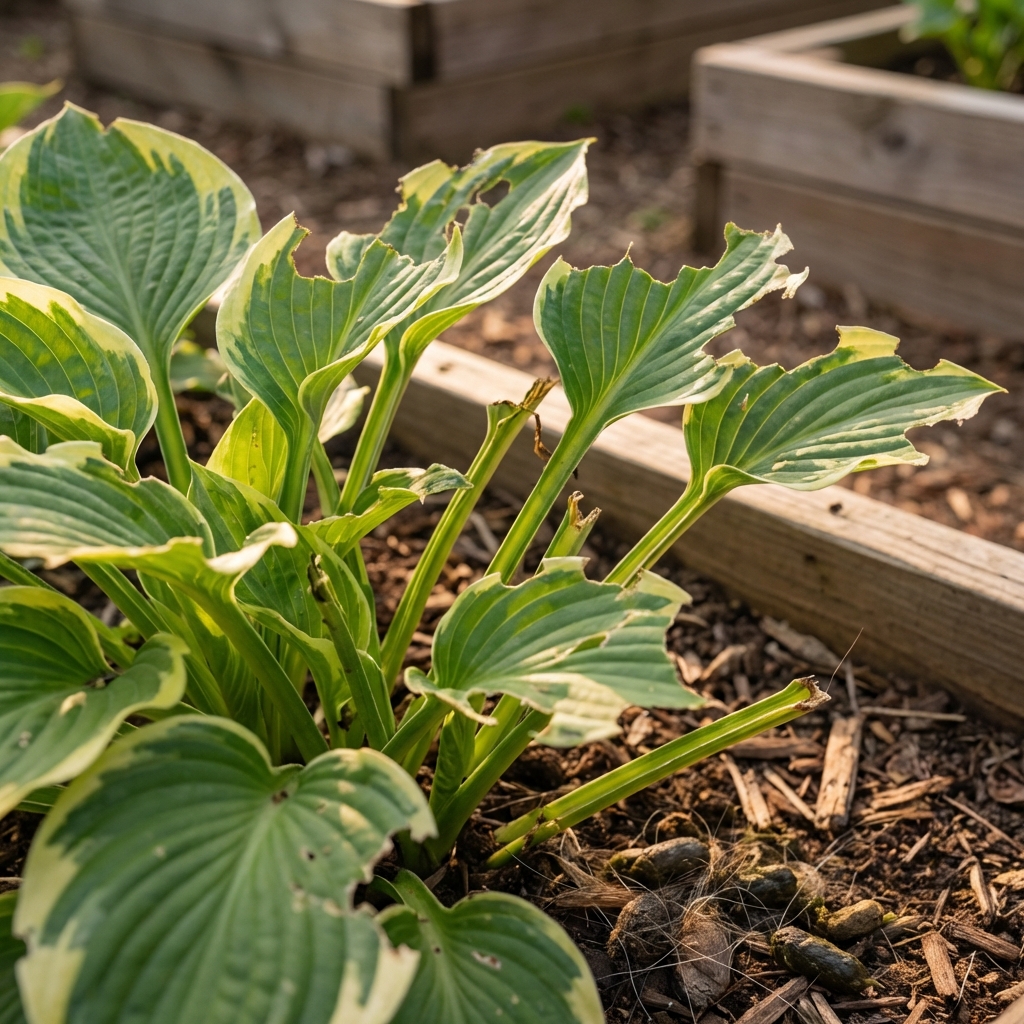
This is the number one target in gardens. Fresh growth is high in moisture and nutrients, and it is easy to chew. In many cases, they take the top few inches off a plant, which can stunt it or kill it if the growing tip is gone.
Buds and flowers
Flower buds are concentrated energy, so deer like them. You might see roses, daylilies, or tulips bitten off right before they bloom.
Twigs, woody browse, and bark
In fall and winter, deer shift toward twigs and stems. During tough winters, they may gnaw bark from young trees, which can girdle and kill them.
Fruits, nuts, and seeds
When available, deer eat fallen apples, pears, berries, acorns, and other mast. In some areas, acorns and other nuts can be a major seasonal food.
What deer eat by season
If it feels like deer show up in waves, you are not imagining it. Their feeding patterns and preferences shift through the year, and your landscape changes with them. Exact timing and favorites vary by region, species, weather, and local food pressure, but the general pattern is consistent.
Spring
- What they want: fresh shoots, leaf buds, perennials emerging, early annuals
- Why it happens: new growth is tender and deer are rebuilding after winter
- Garden reality: this is when they can wipe out young seedlings overnight
Summer
- What they want: lush foliage, vegetable tops, ornamentals, berries
- Why it happens: abundant moisture and easy calories
- Garden reality: irrigation makes your yard greener than surrounding areas, so it stands out
Fall
- What they want: acorns, fallen fruit, late garden crops, shrubs and woody browse
- Why it happens: they are packing on calories going into winter
- Garden reality: apples on the ground and ripening crops can pull them in nightly
Winter
- What they want: twigs, evergreen tips, bark, any remaining greens
- Why it happens: limited food and higher energy needs in cold weather
- Garden reality: deer may strip arborvitae, yews, and young trees when snow is deep
Garden plants deer commonly eat
There is no such thing as a 100 percent “deer-proof” plant, but there are definitely plants that get hit first. Local pressure matters too. In areas with lots of deer or limited wild food, they will test almost anything.
Vegetables deer often damage
- Beans: leaves and tender tips are a favorite
- Peas: shoots and vines get clipped
- Lettuce and leafy greens: easy, tender browsing
- Sweet potato vines: foliage gets eaten
- Carrot tops and beet greens: they may ignore roots but eat the greens
- Tomatoes: often browsed when other food is scarce, sometimes fruits too
- Cucumbers and squash: leaves can be damaged, especially young plants
Ornamentals and landscape favorites
- Hostas: classic deer salad bar
- Daylilies: buds and foliage
- Tulips: flowers and leaves in spring
- Roses: buds, leaves, and tender stems
- Hydrangeas: new growth and buds
- Yews and arborvitae: heavily browsed in winter
Deer-resistant plants to try
Nothing is guaranteed, but plants with strong scent, fuzzy or tough leaves, or mild toxicity are often skipped first. If deer pressure is high, think of these as “more resistant,” not “safe.”
- Herbs: lavender, rosemary, sage, thyme
- Flowers: daffodils, alliums, peonies, foxglove
- Foliage plants: lamb’s ear, ferns
- Shrubs: boxwood (often), spirea (often), juniper (often)
What attracts deer to your yard
Sometimes it is not the garden itself that starts the problem. It is the extras. Deer are excellent at finding easy meals, and once they feel safe, they tend to return.
Fallen fruit and nut trees
Crabapples, apples, pears, persimmons, and oaks can be a huge draw. If fruit drops and sits, deer will notice quickly.
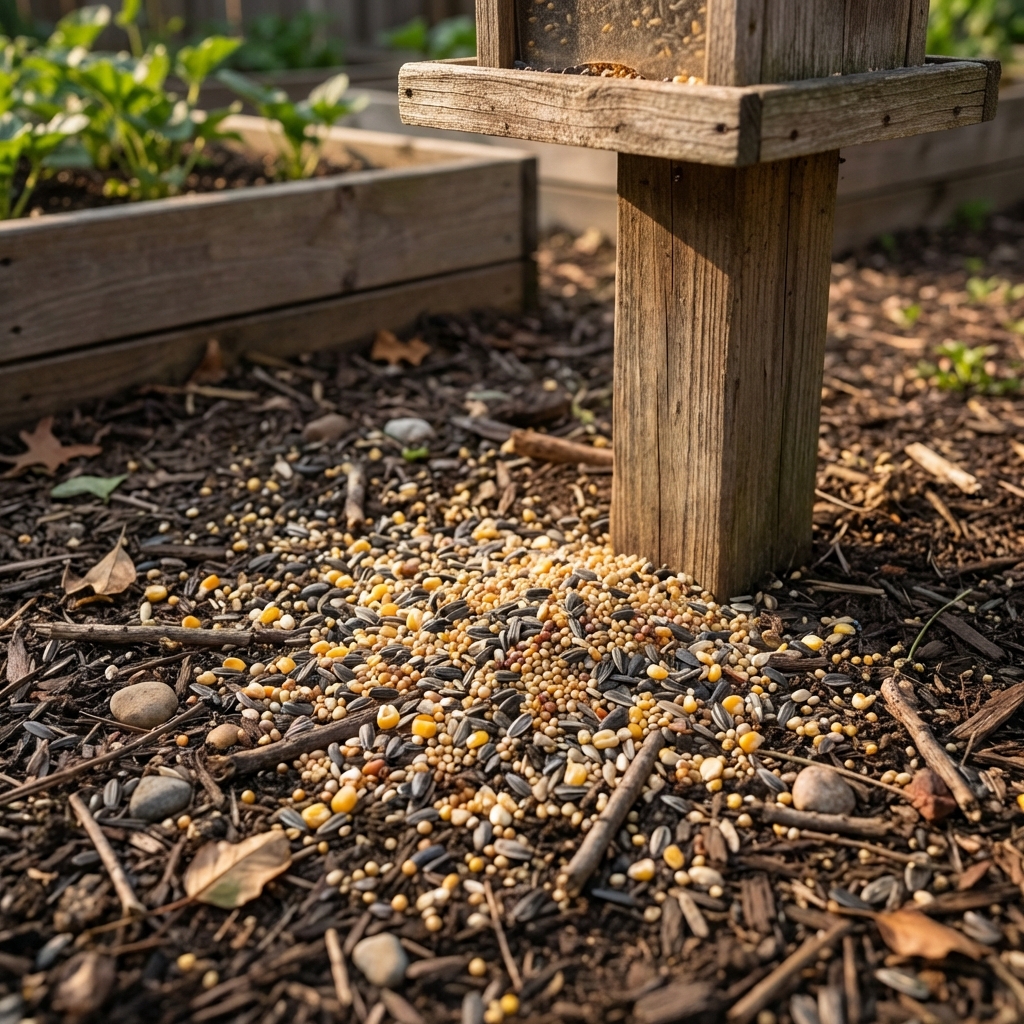
Bird seed and feeding areas
Deer will eat spilled seed under feeders, especially corn, sunflower seeds, and mixed grains. Even if they are not eating much seed, the feeding area can become a regular stop that brings them closer to your garden.
Well-watered garden beds
Fertilized soil and regular watering create tender, nutrient-rich plants. A dry, tough summer in the woods can make a backyard garden look like a green oasis.
Compost and food scraps
Most compost piles are not a primary deer attractant, but if you add a lot of fruit scraps, melon rinds, or vegetable trimmings, it can encourage browsing nearby.
Salt and minerals
Deer are attracted to salt. They may lick roadsides, salt blocks, or even salty runoff. Some will chew on items with salt residue.
Why deer keep coming back
Deer do not just choose food. They choose low risk. If your yard offers both a meal and a calm place to eat it, you become part of their routine.
- Cover nearby: woods edges, hedges, tall shrubs, overgrown lots
- Predictable food: the same tasty plants in the same spots every season
- Low disturbance: quiet evenings, few dogs, limited human activity at night
- Easy access: no fencing, low fencing, open gates
Signs deer are eating your plants
It helps to confirm what you are dealing with. Rabbits, groundhogs, and squirrels can also do damage, but deer leave a few common clues.
- Torn, ragged bites: deer do not have upper front teeth, so browsing often looks ripped
- Damage height: roughly 1 to 6+ feet off the ground, and higher in deep snow or when they reach up
- Cleanly nipped tips: on very tender growth, it can look neatly clipped
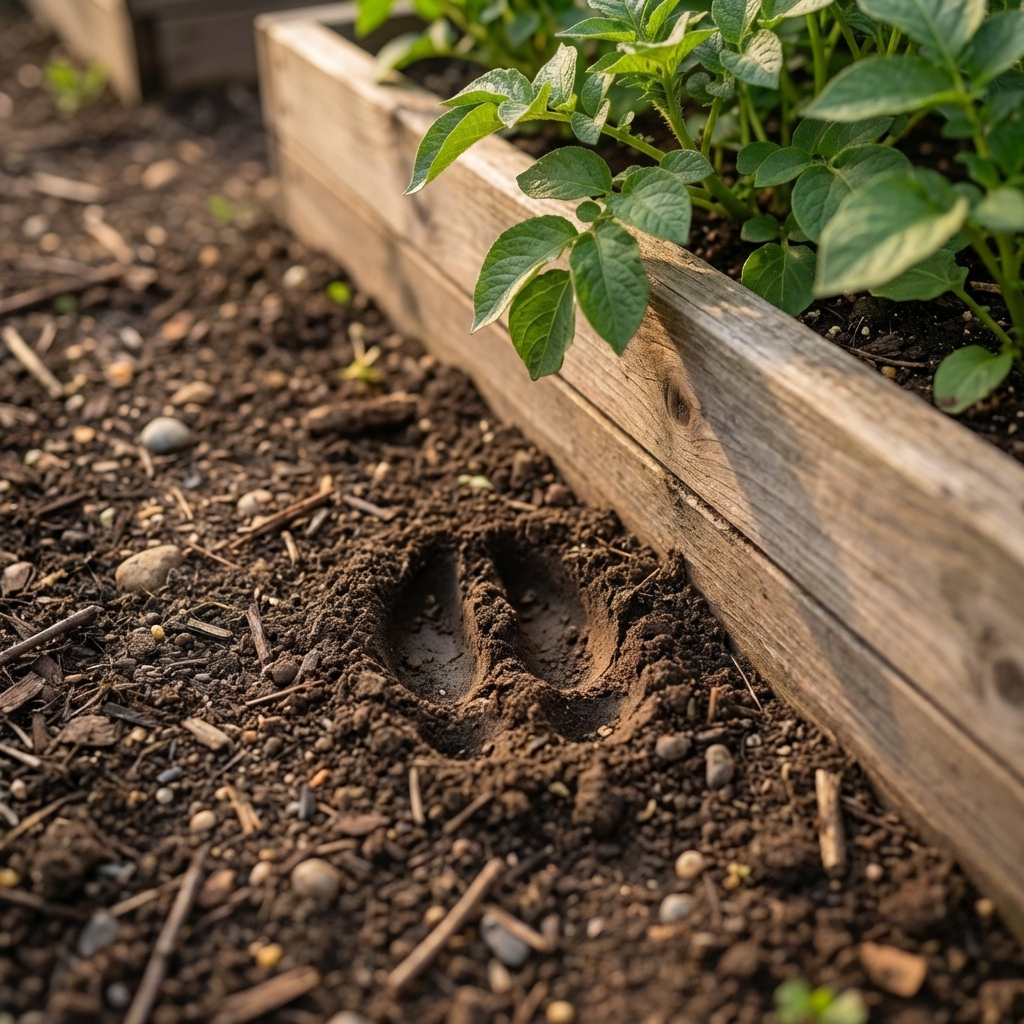
- Tracks: two-toed hoof prints, often in soft soil or mud
- Droppings: small, oval pellets in clusters
Other deer damage to watch for
Not all deer damage is from eating. In fall, bucks may rub young trees to remove velvet and mark territory. This can strip bark, weaken the trunk, and sometimes kill small trees even if they were not heavily browsed.
How to reduce deer damage
You can make your garden less convenient, less appetizing, or harder to access. In my experience, the best results come from stacking a couple strategies instead of relying on one “magic” fix.
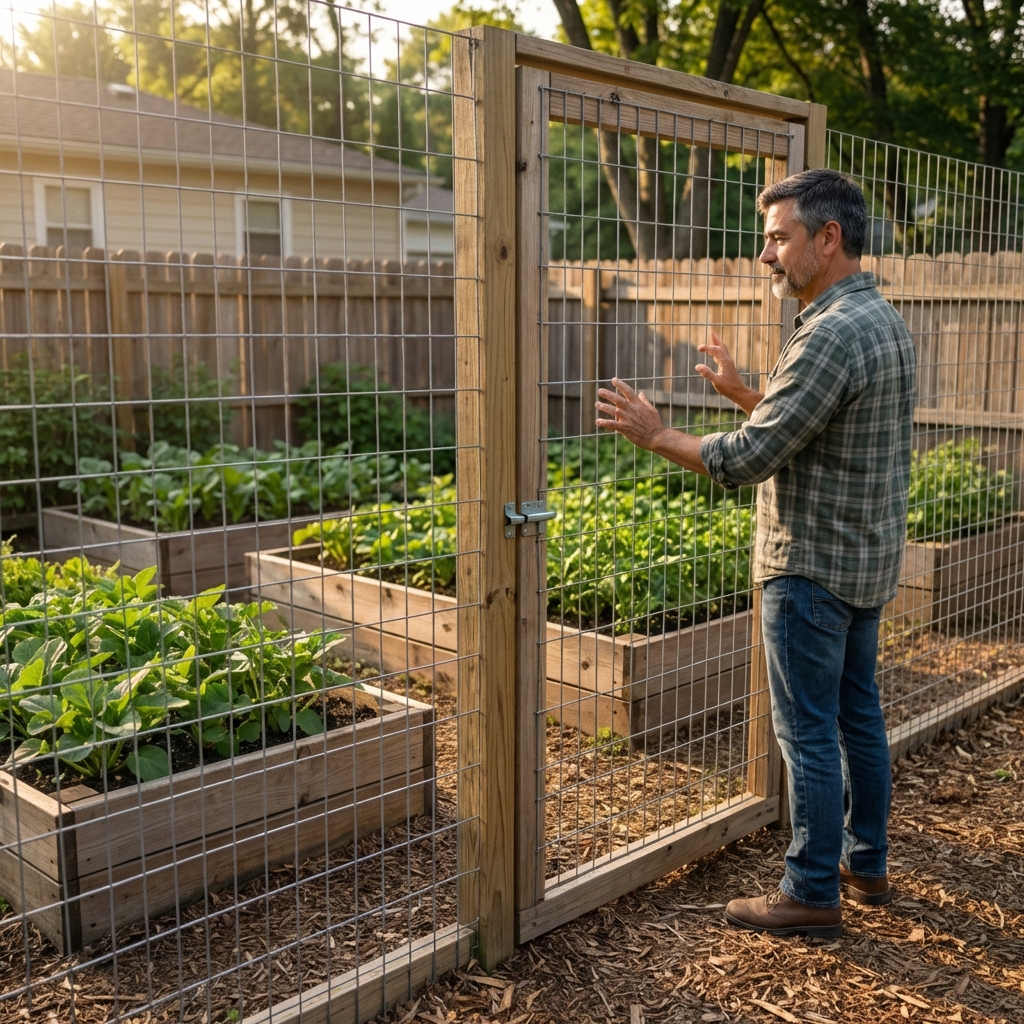
1) Fence the garden (most reliable)
A physical barrier is the most dependable long-term option.
- Full exclusion fence: around 8 feet tall is the standard recommendation for jumping deer.
- Smaller gardens: shorter fences can work if the area is tight and deer do not feel like they can land safely, but results vary.
- Check gates: an open gate is an invitation.
2) Use repellents, but be realistic
Repellents can help, especially for ornamentals, but they need maintenance.
- Reapply after rain and on new growth.
- Rotating products can help reduce the chance deer ignore a single smell over time.
- Start early before deer establish a habit.
3) Protect young trees and shrubs
- Tree tubes or trunk guards: help prevent bark damage.
- Wire cages: around shrubs and small trees can stop winter browsing.
- Rub protection: a sturdy cage or wrap can also prevent buck rub damage in fall.
4) Reduce attractants
- Clean up fallen fruit quickly during peak drop.
- Move bird feeders away from the garden and sweep spilled seed.
- Keep compost fruit-heavy additions covered or buried in the pile.
- Avoid feeding deer on purpose. It trains them to return and can create bigger problems.
5) Plant smarter at the edges
If deer enter from a particular side, keep the tastiest plants deeper inside the protected area. Put less-preferred plants on the outside as a buffer. It will not stop deer by itself, but it can reduce how much damage you see.
6) Keep it safe and legal
- Check local rules and HOA guidelines for fence height and placement.
- Follow label directions for any repellent, especially around edible crops.
- If deer are frequent visitors, take tick precautions when gardening.
Common questions
Do deer eat grass?
Yes, sometimes. But they usually prefer broadleaf plants, buds, and tender shoots. If you see patchy lawn damage, it is more often insects, drought, or digging animals than deer feeding.
Will deer eat tomato plants and fruits?
Yes. Some deer mostly browse the foliage and tender tips. Others will bite tomatoes, especially during dry weather when they are looking for moisture.
Are deer more active at night?
Often yes, especially in neighborhoods where they have learned to avoid people. Early morning and dusk are common feeding times, but pressure and local conditions can shift that.
Is there a plant that deer never eat?
No. Some plants are more resistant because of texture, strong scent, or mild toxicity, but hungry deer will still sample them. If deer pressure is high, plan on physical protection for anything you truly want to keep.
Bottom line
Deer eat the easiest, tenderest food they can find, and a home garden often checks every box. Once you understand what attracts them and how their menu shifts by season and region, it is much easier to choose the right defense, especially fencing plus a little prevention work like cleaning up fruit and limiting spilled bird seed.

Jose Brito
I’m Jose Britto, the writer behind Green Beans N More. I share practical, down-to-earth gardening advice for home growers—whether you’re starting your first raised bed, troubleshooting pests, improving soil, or figuring out what to plant next. My focus is simple: clear tips you can actually use, realistic expectations, and methods that work in real backyards (not just in perfect conditions). If you like straightforward guidance and learning as you go, you’re in the right place.