Snake plants (Sansevieria, now widely reclassified under Dracaena, including Dracaena trifasciata) are popular for one reason: they tolerate a lot. Low light, missed waterings, and everyday household conditions rarely knock them out. But if you want yours to grow steadily, stay upright, and keep that crisp variegation, a few basics matter.
This guide covers the practical stuff that actually makes a difference, from watering and light to repotting and troubleshooting.
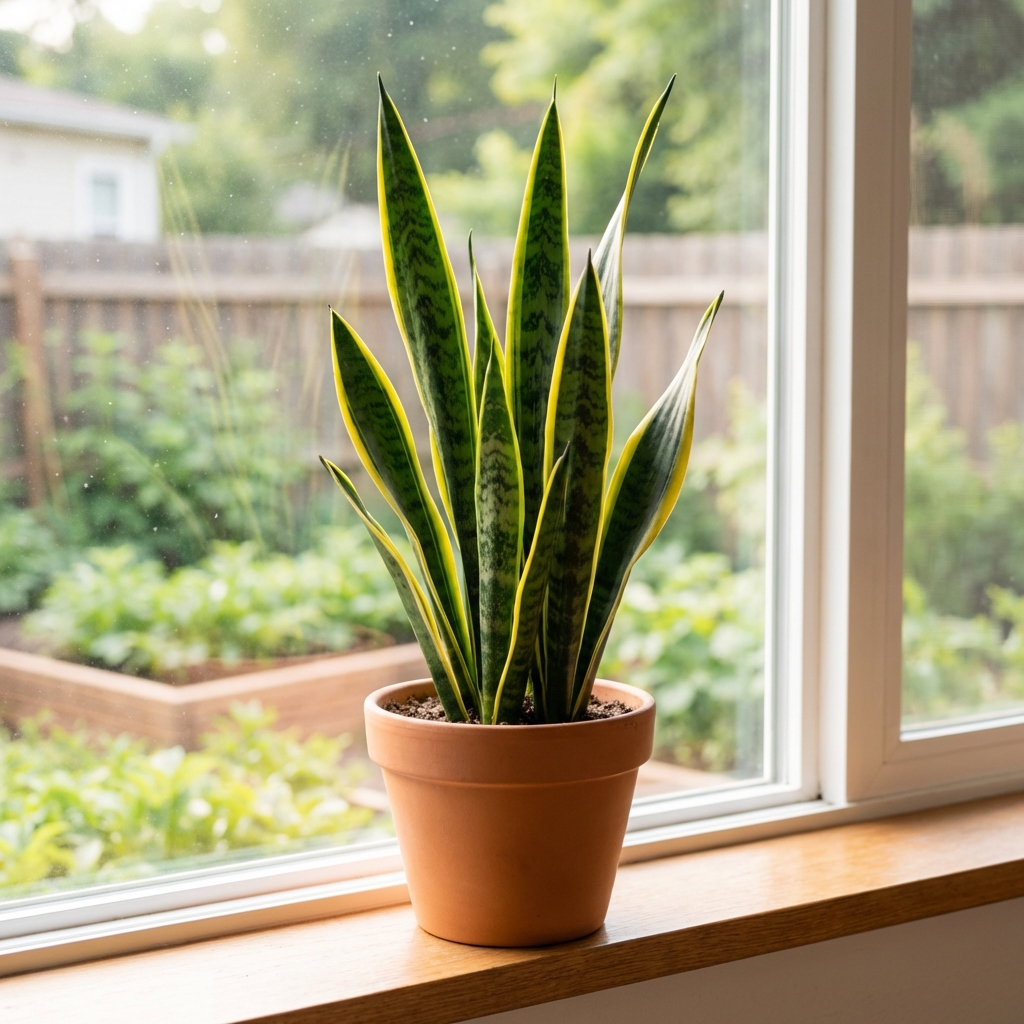
Know what kind of snake plant you have
Care is similar across types, but growth speed and light tolerance can vary. Common ones you might see:
- Laurentii: tall leaves with yellow edges, classic variety.
- Zeylanica: green and gray striping, usually no yellow margins.
- Moonshine: silvery green leaves, needs brighter light to keep color.
- Hahnii (bird’s nest): compact rosettes, great for small spaces.
- Cylindrica: round, spear-like leaves, slower growing.
If you are not sure which one you have, treat it like a standard snake plant and adjust based on how it responds. Also, both names are still common in the plant trade, so you might see Sansevieria on tags even when the botanical name is listed as Dracaena.
Light: the easiest way to improve growth
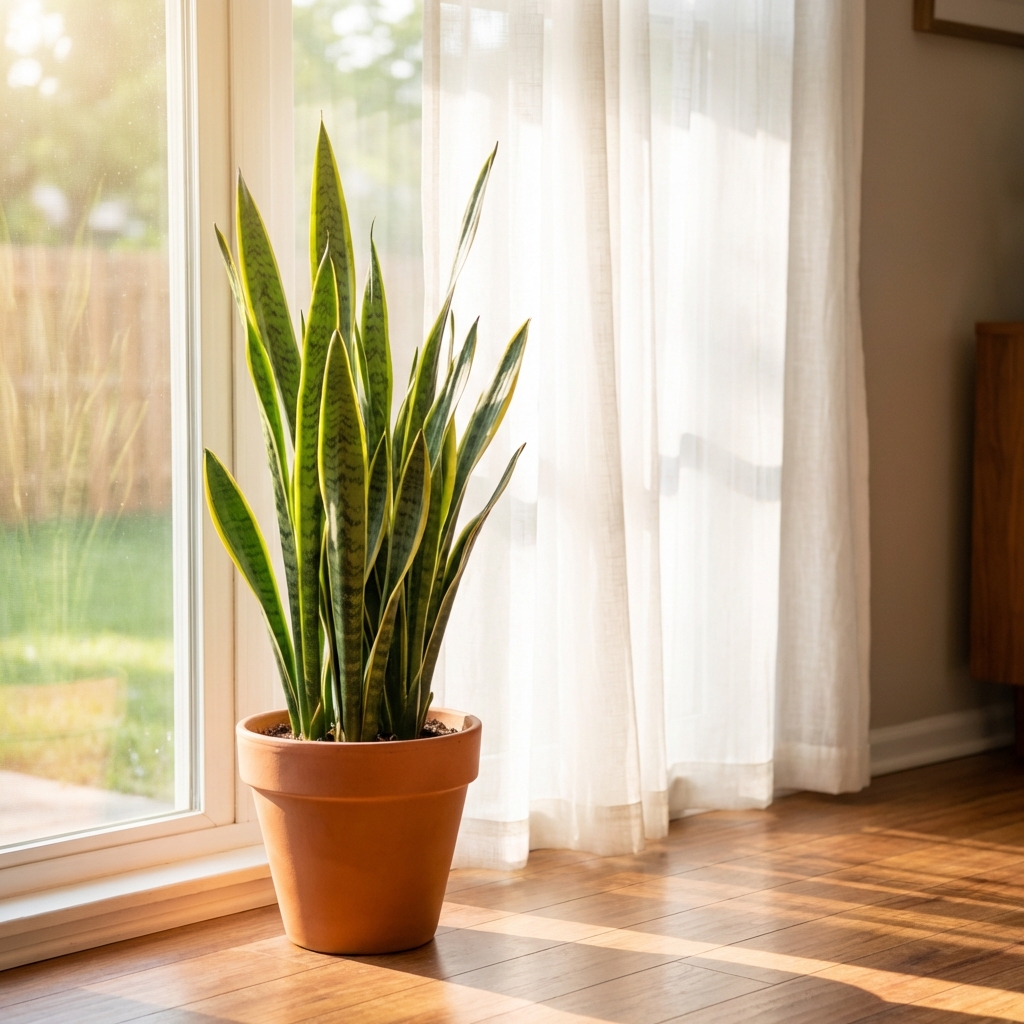
Snake plants survive in low light, but they grow best in bright, indirect light. If yours seems frozen in time, light is usually the reason.
Best light setup
- Indoors: near an east window is often ideal, or a few feet back from a bright south or west window.
- North windows: can work if the window is bright and unobstructed. If it is dim, move closer to the glass or choose a brighter exposure.
- Outdoors (warm months): bright shade or morning sun, protected from harsh afternoon sun.
Signs your light is off
- Too little light: slow growth, thin or floppy leaves, muted variegation.
- Too much direct sun: pale patches or crispy brown areas, especially on variegated edges.
Watering: the make-or-break part
The fastest way to damage a snake plant is frequent watering. These plants store moisture in thick leaves and rhizomes, so they prefer a dry cycle.
Simple watering rule
Water only when the potting mix is dry almost all the way down. For most homes, that means every 2 to 6 weeks depending on season, pot size, and light.
- Small pots (4 to 6 inches): the top 2 to 3 inches should be fully dry, and the rest should feel mostly dry.
- Medium to large pots (8 inches and up): let the mix dry deeply, meaning close to fully dry before watering again. Big pots stay wet longer.
- Low light: expect longer dry times. A monthly rhythm is common in winter.
How to water correctly
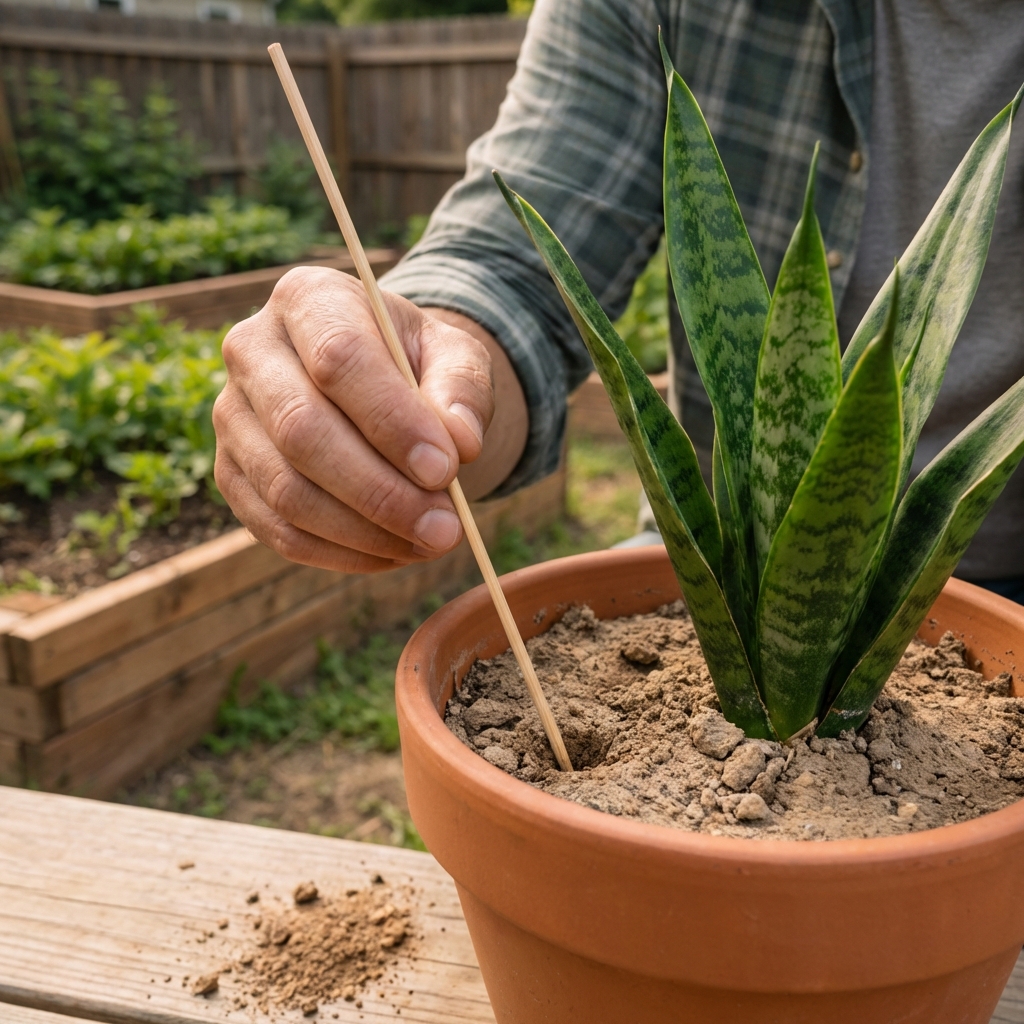
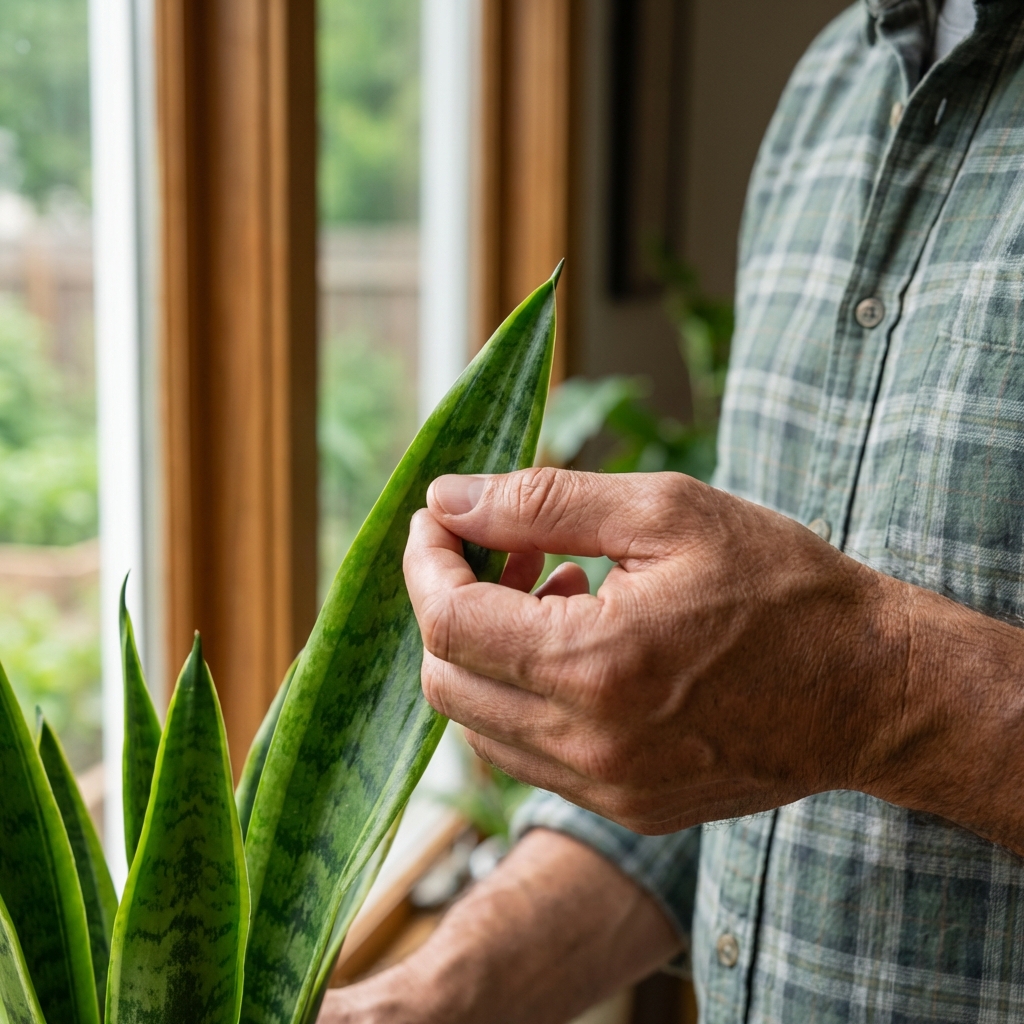
- Check moisture 2 to 3 inches down with your finger or a wooden skewer.
- When dry, water thoroughly until it drains from the bottom.
- Empty the saucer so the pot is not sitting in water.
If you use a decorative cachepot (nursery pot inside a cover pot), pour off any trapped water. Hidden standing water is a common cause of root rot.
Seasonal rhythm (realistic expectations)
- Spring and summer: more frequent if it is bright and warm.
- Fall and winter: much less frequent. Many snake plants only need water monthly in low light.
Overwatering vs underwatering
- Overwatering: soft or mushy leaf bases, sour smell, yellowing, collapsing leaves.
- Underwatering: wrinkling, curling, dry tips. Usually recoverable with one deep watering.
Soil and pot choice: prevent root rot
Snake plants want fast drainage and plenty of air around the roots. If your soil stays damp for days, it is not the right mix for this plant.
Best potting mix
- Use a cactus or succulent mix as a base.
- Improve drainage with perlite, pumice, or coarse sand.
A practical blend is 2 parts cactus mix + 1 part perlite or pumice. You do not need anything fancy, just airy.
One quick myth-buster: adding rocks to the bottom of a pot does not improve drainage. It can actually keep the root zone wetter. Use a well-draining mix and a pot with a drainage hole instead.
Choose the right pot
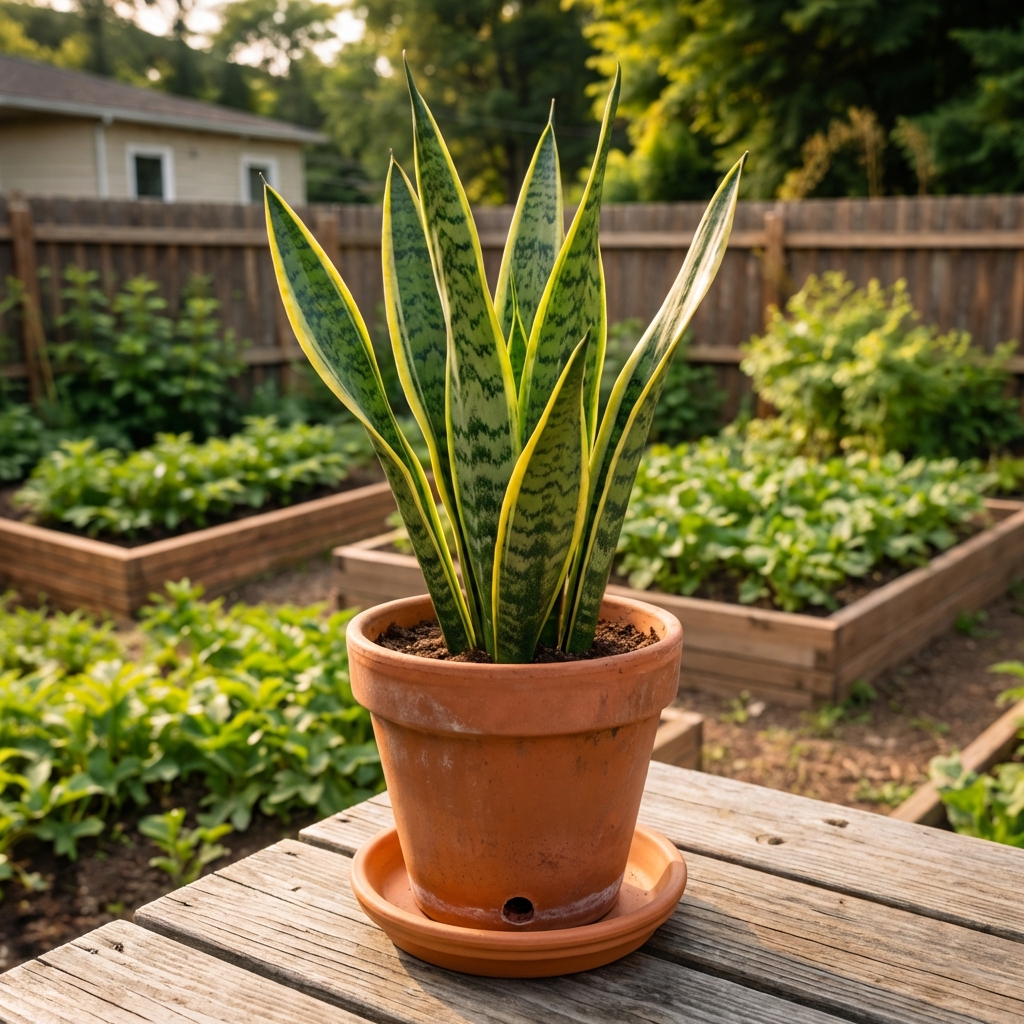
- Drainage holes are essential for most situations.
- Terracotta dries faster and is forgiving if you tend to overwater.
- Plastic or glazed pots hold moisture longer. Fine if you water carefully.
- Go heavier for tall varieties. Snake plants can get top-heavy.
Temperature and humidity
Snake plants do well in typical home conditions.
- Ideal temperature: roughly 65 to 85 F.
- Cold sensitivity: avoid temperatures below about 55 F. Damage risk increases as it approaches 50 F, especially with damp soil.
- Humidity: average indoor humidity is fine. No humidifier needed.
If you keep a snake plant outdoors, bring it in well before nights get chilly.
Fertilizing: less is more
Snake plants are light feeders. Fertilizer helps most when the plant is in brighter light and actively growing.
Easy approach
- Use a balanced houseplant fertilizer at half strength.
- Feed once in spring and optionally once mid-summer.
- Skip fertilizing in fall and winter.
Too much fertilizer can lead to weak, floppy growth or salt buildup in the soil.
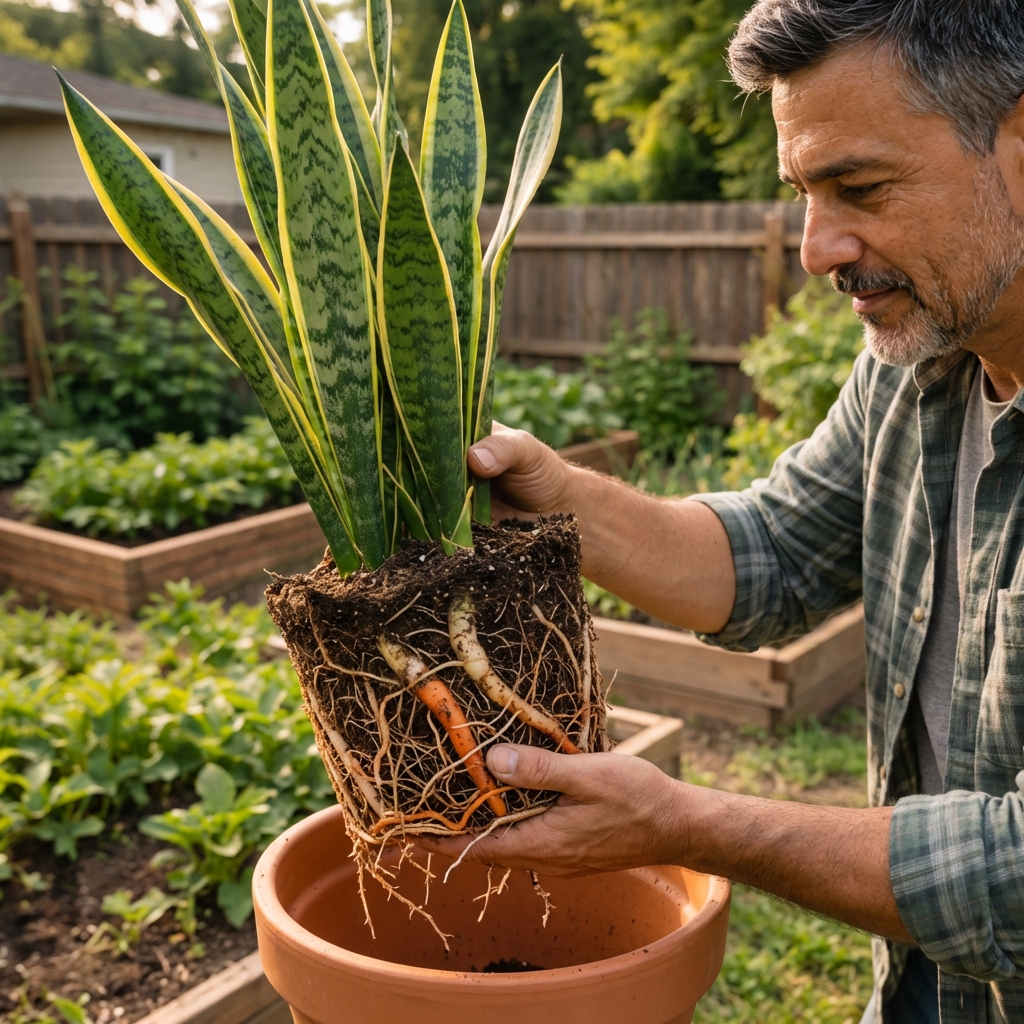
Repotting: when and how
Snake plants do not mind being snug in their pots. Repot only when it is truly needed.
Signs it is time
- Roots circling tightly and pushing out of drainage holes.
- The plant is lifting out of the pot or cracking a plastic pot.
- Water runs straight through because the pot is packed with roots.
How to repot cleanly
- Choose a pot only 1 to 2 inches wider than the current one.
- Use fresh, fast-draining mix.
- Set the plant at the same depth it was before.
- After repotting, wait 5 to 7 days before watering if roots were disturbed. This helps prevent rot.
Pruning and cleaning
Snake plants do not need much pruning, but a little cleanup keeps them looking sharp and reduces pest issues.
What to remove
- Damaged or bent leaves: cut them at the soil line with clean scissors or pruners.
- Brown tips: you can trim just the tip, following the natural leaf shape. It is cosmetic and will not turn green again.
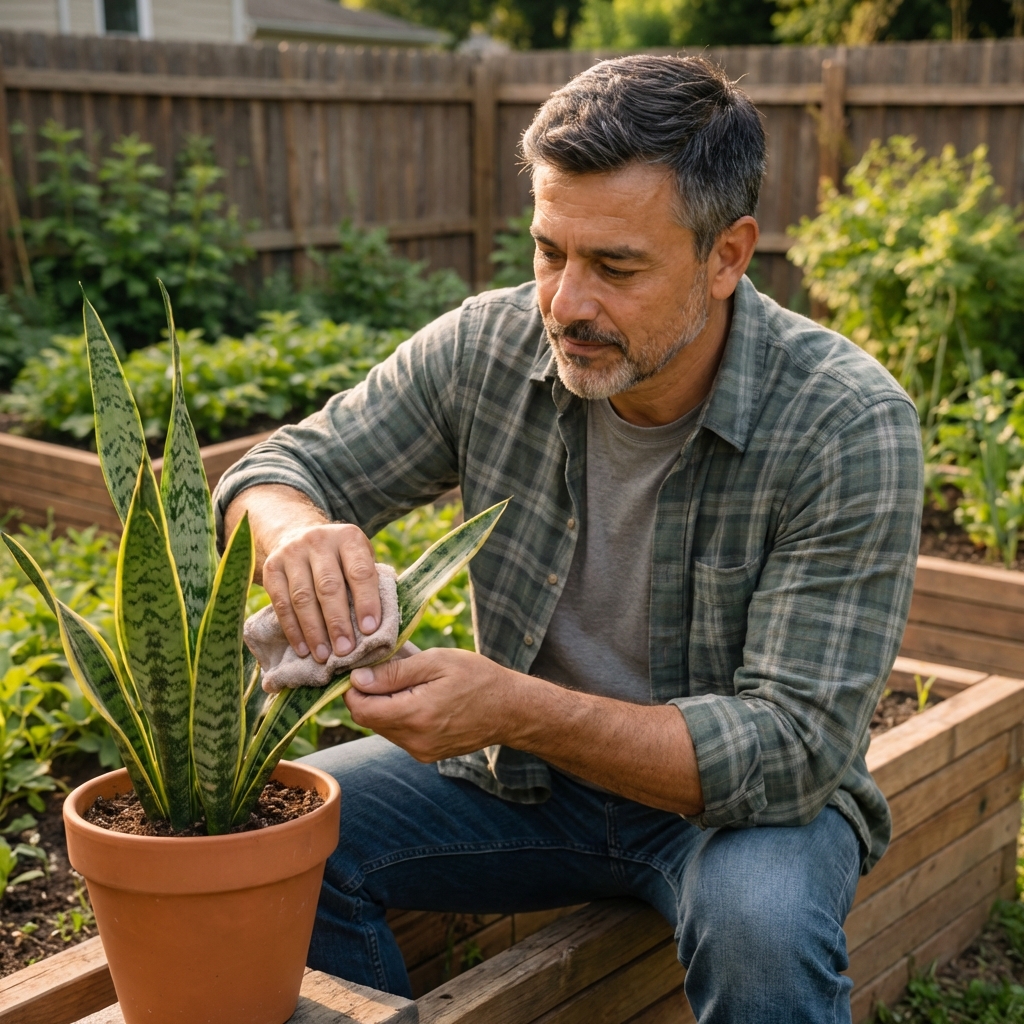
How to clean leaves
- Wipe with a damp cloth to remove dust.
- Avoid leaf shine products. They can leave residue that attracts dust and may interfere with normal leaf function.
Propagation: make more plants
Snake plants are easy to multiply, but the method you choose matters, especially for variegated types like Laurentii.
1) Division (fast and keeps traits)
This is the best method if you want new plants that look like the parent.
- Slide the plant out of the pot and find natural sections with roots and a rhizome.
- Cut with a clean knife so each division has roots.
- Pot each piece in dry, well-draining mix.
- Wait about a week to water.
2) Leaf cuttings (easy but may revert)
Leaf cuttings work well for green types. Variegated cultivars often revert to solid green from leaf cuttings, so use division if you want to preserve the cultivar traits.
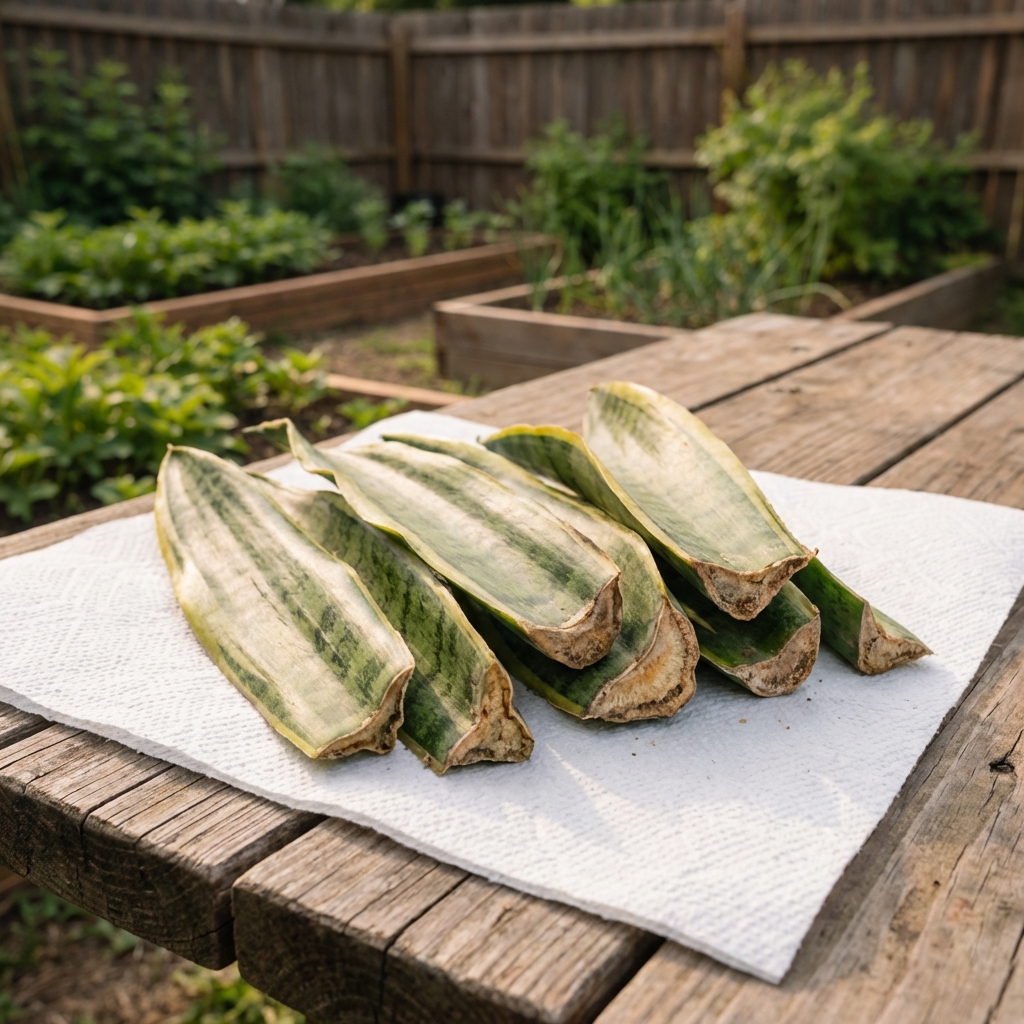
- Cut a healthy leaf into 3 to 4 inch sections.
- Let cuts dry for 1 to 2 days until callused.
- Plant the bottom end into barely moist mix or root in water, then transfer to soil.
- Keep warm and bright. Be patient. Rooting can take weeks.
Common problems and fixes
Leaves falling over
- Most common cause: low light or overly rich, wet soil.
- Fix: move to brighter indirect light, let soil dry more, and consider repotting into a gritty mix.
- Support: you can stake temporarily, but solve the underlying cause.
Mushy base or bad smell
- Cause: root or rhizome rot from staying wet.
- Fix: unpot, cut away soft tissue, let healthy parts dry, and repot in fresh dry mix. Reduce watering going forward.
Wrinkled leaves
- Cause: underwatering, or roots damaged so they cannot take up water.
- Fix: water deeply if dry. If soil is already moist, check roots for rot.
Brown tips
- Cause: inconsistent watering, very dry air, or mineral buildup from hard water.
- Fix: water more consistently, flush the pot occasionally, and use filtered water if buildup is a recurring issue.
Yellowing leaves
- Cause: often overwatering or low light combined with wet soil.
- Fix: increase light, extend time between waterings, and confirm the pot drains freely.
Pests: what to watch for
Snake plants are not pest magnets, but a stressed plant can still attract common houseplant pests.
Most common
- Mealybugs: white cottony clusters in leaf joints.
- Spider mites: fine webbing and speckled leaves, more common in dry indoor air.
- Scale: small brown bumps on leaves.
Simple treatment plan
- Isolate the plant.
- Wipe leaves with a damp cloth, paying attention to crevices.
- Spot-treat with rubbing alcohol on a cotton swab for mealybugs and scale.
- Use insecticidal soap or horticultural oil as needed, repeating weekly for a few rounds.
Outdoor and garden use
In frost-free areas, snake plants can be grown outdoors in the ground or in pots on a porch. They look great as structural accents in shade gardens, entryways, and patio containers.
- Plant in well-draining soil and avoid low spots where water collects.
- Give bright shade or gentle morning sun.
- Water sparingly once established.
If your area gets any frost, treat snake plants as seasonal outdoor plants and bring them in before cold weather.
Safety for pets and kids
Snake plants are commonly listed as toxic if chewed for pets. Most exposures cause mild to moderate drooling, vomiting, or stomach upset, but it is still best to keep the plant out of reach and contact your vet if symptoms show up.
Growth expectations
Snake plants are slow to moderate growers, especially in low light. It is normal to see most growth in spring and summer. Many plants grow by sending up new leaves from the base or producing pups first, rather than getting noticeably taller right away.
Quick care checklist
- Light: bright, indirect for best growth.
- Water: only when soil is mostly dry, and even drier in low light.
- Soil: fast-draining cactus mix plus extra perlite or pumice.
- Pot: drainage holes, slightly snug. Do not let water collect in cachepots.
- Fertilizer: light feeding in spring and summer only.
- Repot: every few years, or when rootbound.
If you do just two things, get the light right and let the soil dry between waterings. That covers most snake plant problems before they start.

Jose Brito
I’m Jose Britto, the writer behind Green Beans N More. I share practical, down-to-earth gardening advice for home growers—whether you’re starting your first raised bed, troubleshooting pests, improving soil, or figuring out what to plant next. My focus is simple: clear tips you can actually use, realistic expectations, and methods that work in real backyards (not just in perfect conditions). If you like straightforward guidance and learning as you go, you’re in the right place.