Bed bugs are not a “dirty house” problem. They are a hitchhiker problem. They ride in on luggage, used furniture, and visitors’ belongings. They can also show up occasionally via shipped items or deliveries, but travel and secondhand items are the most common routes. What does change through the year is how often people travel, how much we heat or cool our homes, and where we store things. Those seasonal habits can affect how quickly an issue is noticed and how fast it spreads.
This page breaks down what to expect season by season, what the early signs look like, and the most practical home steps you can take without making the situation worse.
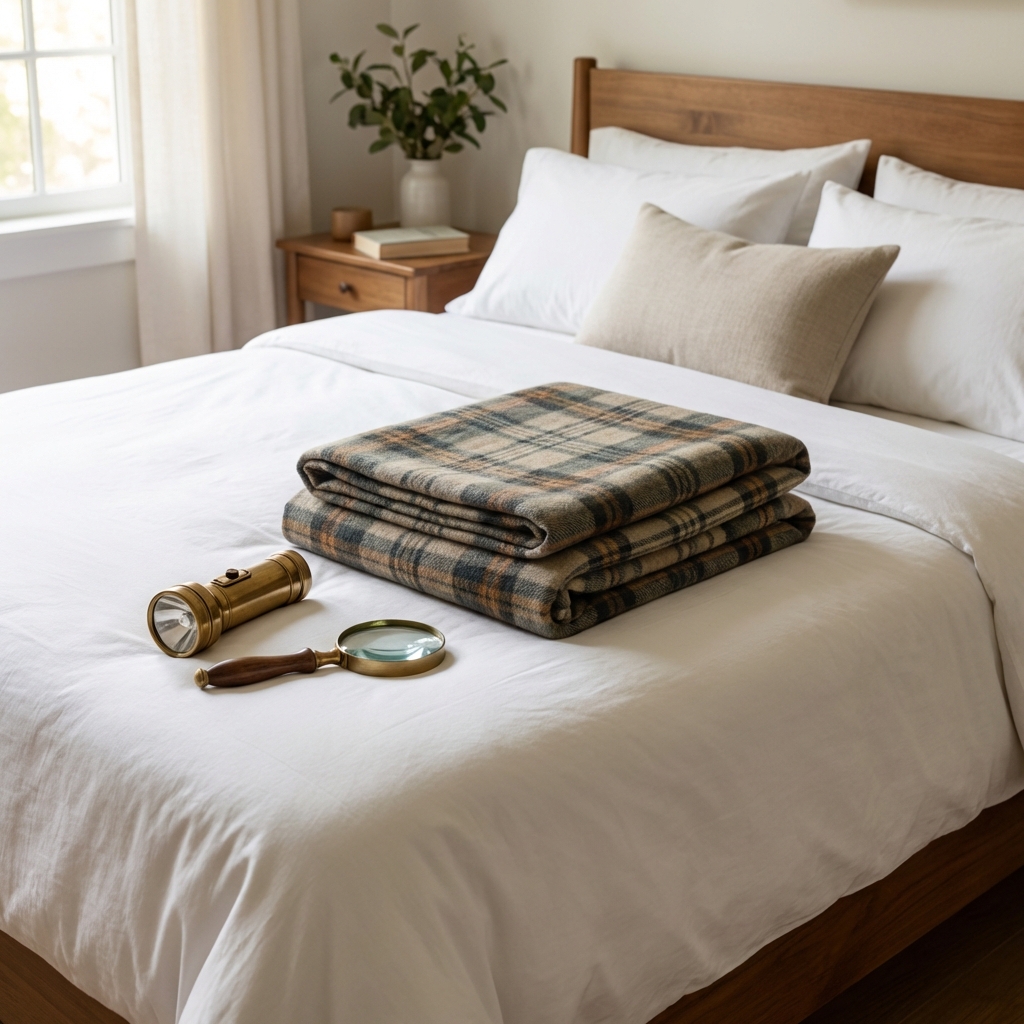
Bed bug basics in plain language
Bed bugs are small, flat insects that feed on blood, usually at night. They hide in tight cracks near where people rest, then come out to feed and return to hiding spots.
Where they hide most often
- Seams and tags of mattresses
- Box springs and bed frames, especially screw holes and joints
- Headboards and behind wall-mounted headboards
- Couches and recliners, especially along seams and under cushions
- Baseboards, outlet covers, picture frames, and nightstands near the bed
- Luggage, backpacks, and laundry hampers
What they need to survive
- Access to a host (they prefer feeding on humans; they may bite pets, but they usually spread through belongings, not by living on animals like fleas)
- Hiding places (clutter makes this easier for them)
- Moderate temperatures (they thrive in typical indoor conditions)
Important reality check: indoor temperature matters more than the season outside. If your home stays warm in winter, bed bugs can stay active year-round.
Seasonal bed bug behavior
Spring
Spring brings more visitors, spring cleaning, and sometimes used-furniture shopping. This is a good time to find problems early because you are already moving things around.
- Common triggers: moving, college housing turnover, thrift finds, hosting guests
- Best move: do a quick inspection during spring cleaning and reduce clutter around beds
Summer
Summer is peak season for bed bug introductions because travel is high. Hotels, vacation rentals, and shared transportation are the big risk factors.
- Common triggers: suitcases on beds, unpacking onto carpet, bringing home “souvenirs” from rentals
- Best move: build a simple travel routine to avoid bringing them home
Fall
Back-to-school season, new roommates, and cooler evenings can push more time indoors. If bed bugs were introduced in summer, fall is when many people first notice bites or spotting.
- Common triggers: dorm move-ins, apartment turnover, secondhand furniture
- Best move: inspect beds and couches after trips and after moving items in
Winter
Outdoor cold does not automatically eliminate bed bugs inside a heated home. Winter often delays detection because people wear more clothing, skin is covered, and you might blame itching on dry air.
- Common triggers: holiday travel, guests staying over, storing items under beds
- Best move: keep sleeping areas uncluttered and do periodic inspections even when it is cold outside
Bottom line: seasonal habits influence risk. Bed bugs themselves can remain active any month if indoor conditions are comfortable.
Signs of bed bugs
Early signs you can actually check
- Small rust-colored spots on sheets or mattress seams (often digested blood)
- Tiny pale shed skins in mattress folds or along the bed frame
- Live bugs in seams and cracks, about apple seed size as adults
- Eggs that look like tiny white grains tucked into tight crevices
- Musty odor in heavier infestations (not always present)
Bites are not a reliable test
Bites vary a lot by person. Some people react strongly and others barely react at all. Bites can also be from mosquitoes, fleas, mites, or allergic irritation.
Watch for lookalikes
Some insects get mistaken for bed bugs, especially carpet beetles (often found near windowsills and fabric, and they do not bite) and bat bugs (which look very similar). If you are not sure, take a clear photo of the bug and get confirmation from a licensed pest professional or a local extension office before you treat aggressively.
If you suspect bed bugs, do this first
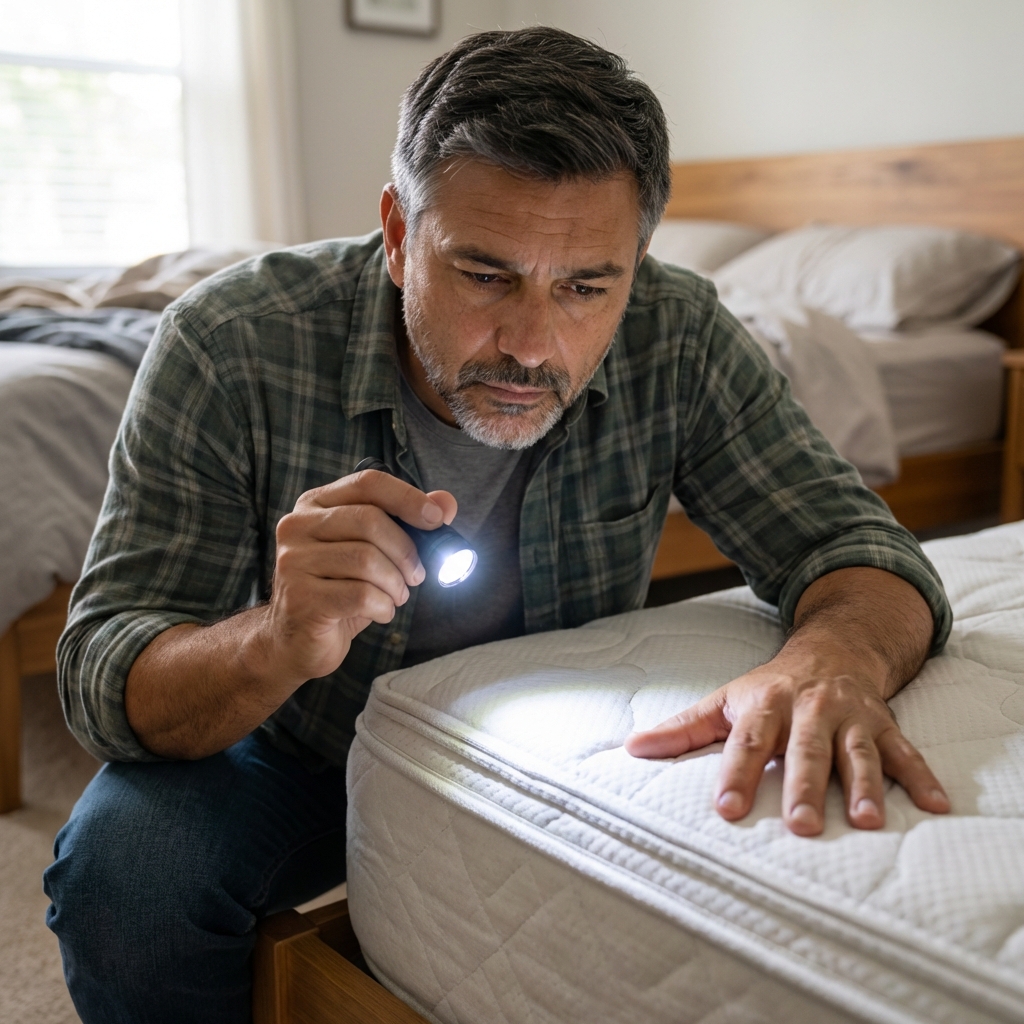
- Confirm with a careful inspection. Use a flashlight and check mattress seams, box spring edges, and headboard joints.
- Do not move beds or furniture into other rooms until you have a plan. That can spread them.
- Bag and contain bedding and clothes before carrying them through the house.
Home remedies: what helps, what does not
There is no magic kitchen fix that reliably wipes out a bed bug infestation by itself. The most effective “home” actions are the ones that use heat, containment, and physical removal.
Home steps that actually help
- High-heat drying: Dry bedding, clothes, and fabric items on the highest heat setting for at least 30 minutes (longer for bulky loads). Wash is helpful, but the dryer heat is usually the key step. Follow your appliance guidance and do not overload the dryer.
- Vacuuming: Vacuum mattress seams, bed frames, baseboards, couch seams, and under furniture. Immediately seal the vacuum contents in a bag and take it outside to the trash.
- Steam (carefully): A steamer that produces continuous, low-moisture steam can kill bed bugs on contact when applied slowly along seams and cracks. Move the steamer slowly so the heat penetrates where they hide. Avoid burns and keep kids and pets away while steaming.
- Mattress and box spring encasements: Bed bug rated encasements trap bugs inside and remove hiding spots. Keep encasements on for at least 12 months to cover the full life cycle and avoid re-infestation from trapped survivors.
- Interceptor traps: Placed under bed legs, these can help monitor activity and can reduce bites if the bed is isolated (bed pulled from walls, bedding not touching the floor, and no clutter creating “bridges” to the bed).
- Decluttering: Less clutter equals fewer hiding places and easier treatment.
Remedies that are popular but risky or ineffective
- Rubbing alcohol sprays: Can kill on direct contact but evaporates fast, does not reach hidden bugs, and is a serious fire hazard.
- Essential oils: Some may repel briefly, but they do not solve an infestation and can cause skin or respiratory irritation.
- Bug bombs or foggers: These are usually ineffective for bed bugs and may scatter them into deeper hiding spots, making control harder.
- DIY outdoor freezing: Effective freezing requires sustained subfreezing temperatures for an extended period. Most garages, sheds, and outdoor conditions are not reliably cold for long enough to kill all life stages, especially eggs.
- Random pesticide mixes: Misuse can be dangerous and bed bugs are resistant to many products. Do not apply insecticides to mattresses or bedding unless the product label specifically allows it.
What about diatomaceous earth?
Some people use diatomaceous earth (DE) as a desiccant dust. It can help in cracks and voids when applied lightly and correctly, but it is easy to overapply. Thick piles are less effective and messy, and dust can irritate lungs. If you use any dust product, keep it out of reach of kids and pets and avoid creating airborne dust.
Practical take: if you want a home approach that makes a real dent, prioritize drying on high heat, vacuuming, steam, encasements, and containment.
Seasonal prevention routines
Summer travel routine
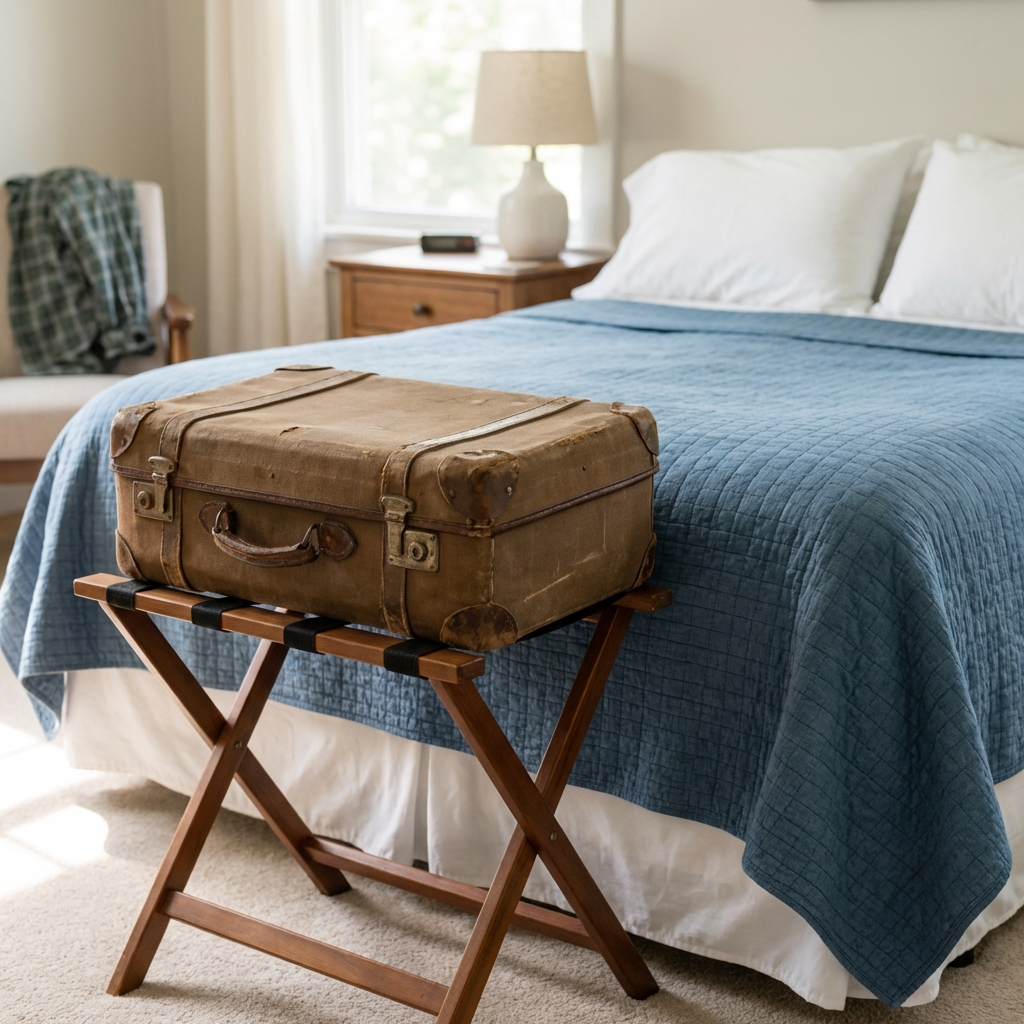
- In hotels or rentals, keep luggage on a luggage rack, not on the bed or upholstered chair. If possible, inspect the luggage rack and keep your bag zipped when you are not using it.
- Do a 2-minute check of the mattress corners and headboard area with your phone flashlight.
- Consider using a large plastic bag or washable liner inside your suitcase for easier containment of clothing.
- At home, unpack in a hard-floor area if possible.
- Run travel clothes through the dryer on high heat for at least 30 minutes before they go back into drawers.
- Store suitcases in a sealed bin or away from bedrooms if you can.
Fall and spring move-in routine
- Inspect and vacuum bed frames, headboards, and couches before bringing them fully inside.
- Avoid picking up mattresses or upholstered furniture from the curb.
- If you buy used furniture, inspect seams, stapled fabric edges, and joints with a flashlight.
Winter guest routine
- Offer a luggage stand or designate a spot for bags away from beds.
- Wash and dry guest bedding on high heat after visits.
- If you host frequently, consider interceptor traps as a passive monitor.
If you find bed bugs
If you confirm bed bugs, you want to do two things right away: reduce bites tonight and stop the spread while you plan treatment.
Tonight: reduce bites
- Pull the bed slightly away from the wall.
- Make sure bedding does not touch the floor.
- Add interceptor traps under bed legs if available.
- Do not sleep on the couch. Staying in one consistent sleeping place makes monitoring and treatment easier.
This week: contain and clean smart
- Bag laundry and bedding before moving it through the home.
- Dry on high heat, then store clean items in sealed bags or bins.
- Vacuum regularly in sleeping areas, disposing of contents outside each time.
- Reduce clutter around the bed so every hiding place is accessible.
What professional treatment may look like
Many successful programs use an IPM approach that combines detailed inspection, targeted treatment, and follow-up monitoring. Depending on the situation, a pro may use heat treatments, carefully selected insecticides applied to cracks and crevices, and tools like encasements and interceptors. Multiple visits are common because eggs can hatch after the first service and because bed bugs hide in hard-to-reach places.
When to call a professional
Call for help if you see multiple bugs, find them in more than one room, or have ongoing bites despite home steps. Bed bugs are tough, and successful elimination usually requires a coordinated plan.
Tip: If you rent or live in a multi-unit building, report early. Management may need to inspect adjacent units to prevent re-infestation and spread.
Quick FAQ
Do bed bugs go away in winter?
Not reliably. Indoor heat keeps them active. Cold outdoor weather does not solve an indoor infestation.
Can I get rid of bed bugs with home remedies only?
Light cases can sometimes be controlled with aggressive heat laundering, steam, vacuuming, encasements, and monitoring, but many infestations rebound without a full treatment plan.
Are bed bugs a sign my home is unclean?
No. Clean homes get bed bugs, too. Clutter just makes them harder to find and treat.
Should I throw away my mattress?
Not automatically. With a bed bug rated encasement and proper treatment of the entire sleeping area, many mattresses can be kept. Throwing it out without containment can spread bugs through your home or building.
Key takeaways
- Bed bugs can be active year-round because indoor temperatures stay comfortable.
- Summer travel and fall move-ins are common times to bring them home, but winter guests and holiday travel matter too.
- The most useful home actions are heat drying, vacuuming, steam, encasements, interceptors, and clutter reduction.
- Avoid foggers and risky sprays that can scatter bed bugs or create hazards.
If you want, tell me your season and living situation (apartment, house, dorm, travel frequency) and I can help you build a simple prevention checklist that fits your routine.

Jose Brito
I’m Jose Britto, the writer behind Green Beans N More. I share practical, down-to-earth gardening advice for home growers—whether you’re starting your first raised bed, troubleshooting pests, improving soil, or figuring out what to plant next. My focus is simple: clear tips you can actually use, realistic expectations, and methods that work in real backyards (not just in perfect conditions). If you like straightforward guidance and learning as you go, you’re in the right place.