Moss can make a lawn look patchy and damp, but it is not “winning” because it is stronger than your grass. It shows up because conditions favor moss more than turf. The safest way to deal with lawn moss is a two-part plan: remove what you see, then change the conditions that let it move in.
Below you will learn what moss is telling you, which removal methods are actually safer for people, pets, and plants, and what to fix so you are not treating the same spots every spring.
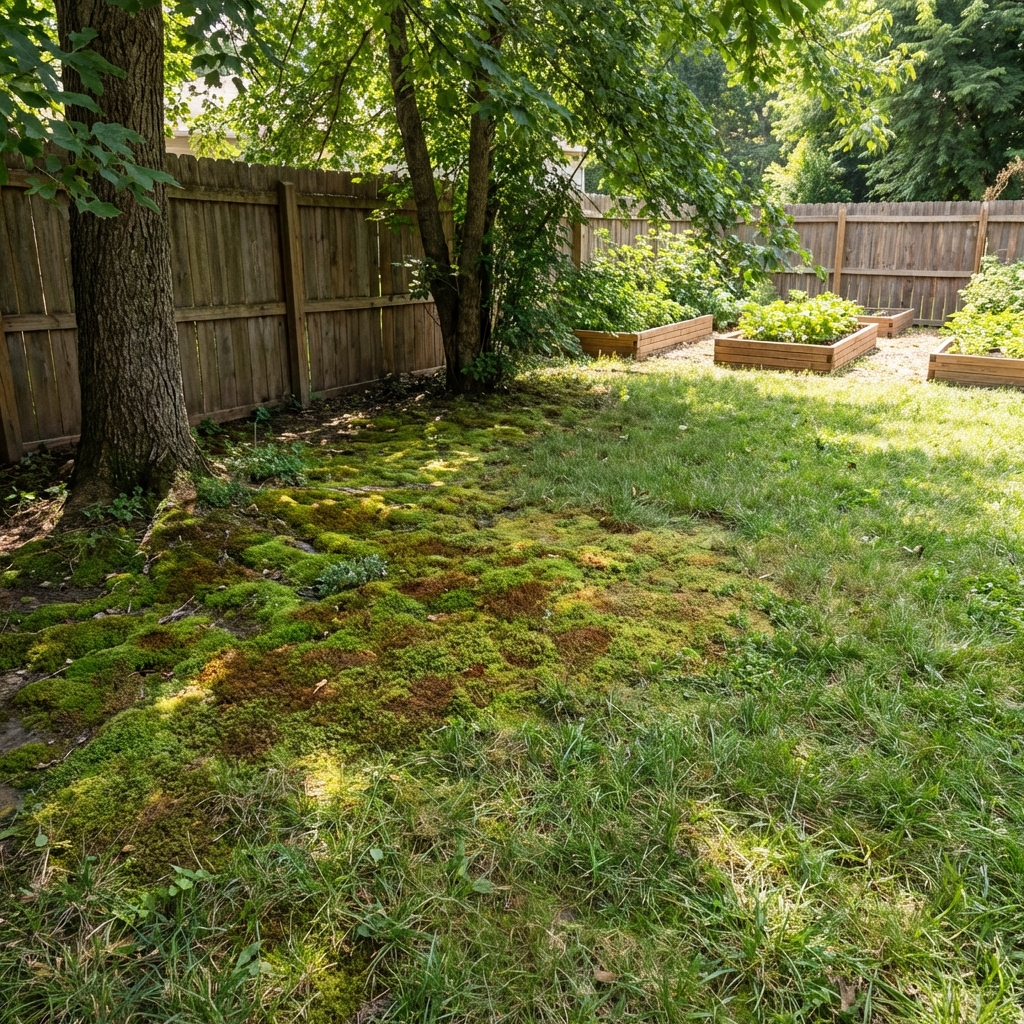
Why moss grows in lawns
Most lawn mosses do not have true roots like grass. They spread across the surface when the lawn is thin and the site stays cool and moist. Most moss problems come down to one or more of these factors:
- Too much shade: Grass needs sunlight. Moss tolerates low light.
- Constant moisture: Poor drainage, heavy clay, downspouts dumping water, or overwatering.
- Compacted soil: Foot traffic, heavy equipment, or clay soil reduces oxygen and weakens grass.
- Thin turf: Low fertility, wrong grass type for the site, scalping, or disease.
- Acidic soil (sometimes): Low pH can make it harder for grass to compete, but pH alone is rarely the only reason.
Quick reality check: In most turfgrasses, fewer than 4 to 6 hours of direct sun is where lawns start to struggle. Shade-tolerant grasses (often fine fescues in cool-season regions) can handle less light than many common mixes, and dappled light can help. But in deep, all-day shade, the “safe solution” might be replacing grass with mulch, stepping stones, or shade-tolerant groundcover instead of fighting nature.
Is lawn moss bad?
Moss is not toxic and it does not “infect” healthy grass. It is simply taking advantage of conditions your lawn does not like. Some gardeners even keep moss intentionally in shady landscapes because it is soft, green, and low maintenance.
Most people remove moss because:
- It looks uneven and signals thin turf.
- It can be slippery on slopes.
- It often comes with soggy soil or compaction issues.
Safe removal options
“Safe” can mean a few things: safer for kids and pets, safer for nearby plants, and safer for your soil long-term. Below are the most practical options, starting with the least harsh.
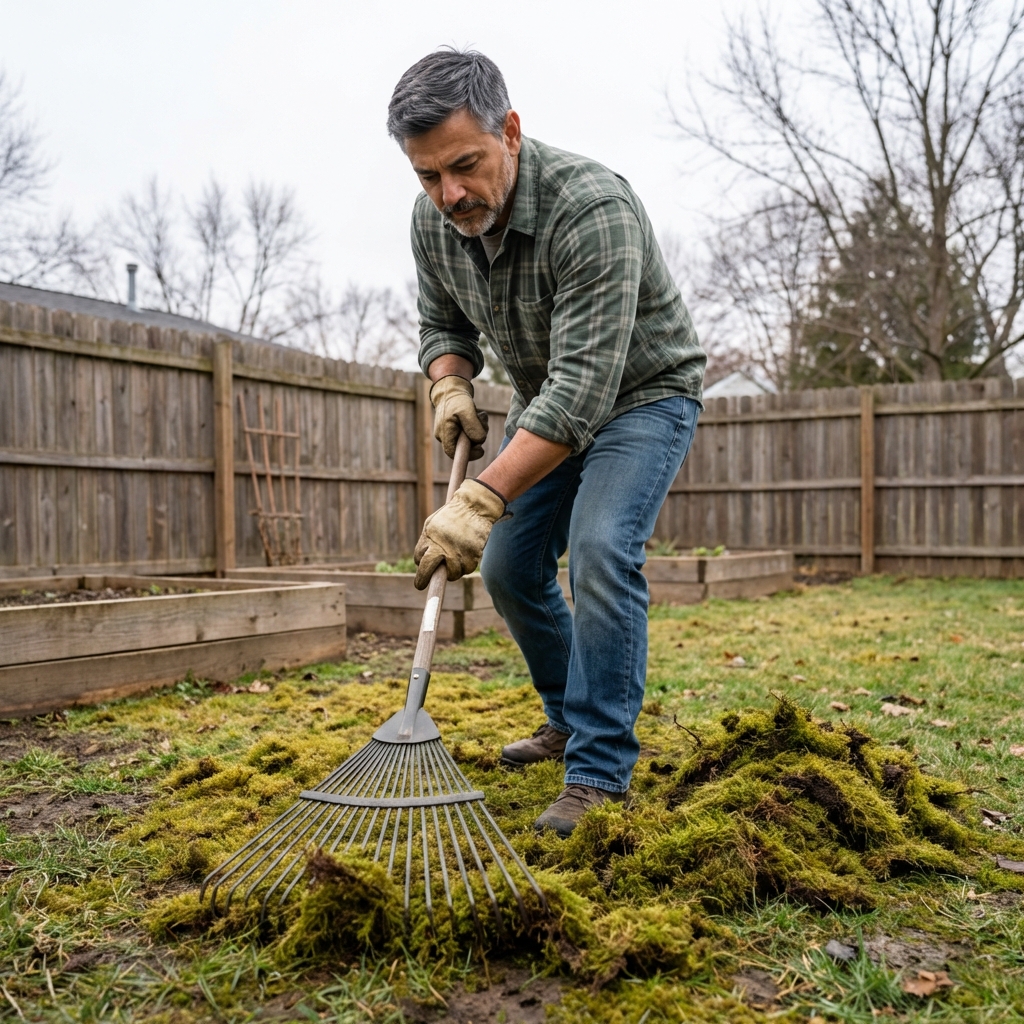
1) Physical removal for small or moderate patches
If you only have patches, start here. It is cheap, immediate, and avoids chemical exposure.
- Use a stiff rake or a dethatching rake.
- Rake firmly enough to lift the moss, but stop once turf is exposed. Avoid gouging soil or tearing out healthy grass crowns.
- Bag the moss so fragments do not spread to other damp areas.
Best for: Patches in spring or fall when soil is not frozen and not mud-saturated.
Note on dethatching: Light raking is different from aggressive power dethatching. Dethatching can stress lawns if you do it at the wrong time or when turf is weak. Cool-season lawns typically tolerate it best in early fall. Warm-season lawns are usually dethatched in late spring to early summer, once they are actively growing.
2) Improve conditions, then overseed
Raking removes moss, but it also exposes why moss was there. If you do not fill the area with healthy grass, moss usually returns.
- After raking, loosen the top 1 to 2 inches of soil with a garden fork or rake.
- Add a thin layer of compost (about 1/4 inch) to help seed establish.
- Overseed with a grass type that matches the light conditions (sun mix vs shade mix).
- Keep the seed evenly moist, not soaked, until germination.
Grass choice quick guide: Cool-season lawns in shade often do best with fine fescue blends (and sometimes shade-tolerant tall fescue). Warm-season grasses generally need more sun, so if a warm-season lawn is mossy, shade and chronic moisture are usually the big levers to address.
3) Iron-based moss killers
Many lawn moss products use ferrous sulfate or other iron-based ingredients. They work by causing rapid tissue damage and desiccation, turning moss black and making it easier to rake out.
- Follow the label exactly for rates and timing.
- Apply when moss is actively growing and the lawn is damp.
- Rake out dead moss a few days later (or when the label indicates).
- Be careful near concrete, stone, and clothing. Iron can stain.
Why this is considered “safer”: Iron is a plant nutrient and these products are widely used on lawns. They are still pesticides, so treat them with respect, store them securely, and keep kids and pets off until the label says it is safe.
4) Dish soap or baking soda?
You will see DIY recipes online for moss using dish soap or baking soda. For lawns, these are unreliable and can damage grass, especially if you overdo it. They also do not fix the underlying cause.
My take: If you want a safe, predictable result in turf, physical removal plus lawn repairs beats kitchen-counter experiments.
5) Pressure washing
Pressure washing can remove moss from patios and walkways, but it is not a lawn solution and it can tear up soil and turf. For paths, use the lowest effective pressure and aim away from garden beds to avoid blasting soil where you do not want it.
Long-term fixes
Moss control becomes easy when the yard stops being a perfect moss habitat. Work through the list below, starting with the issues that match your problem spots.
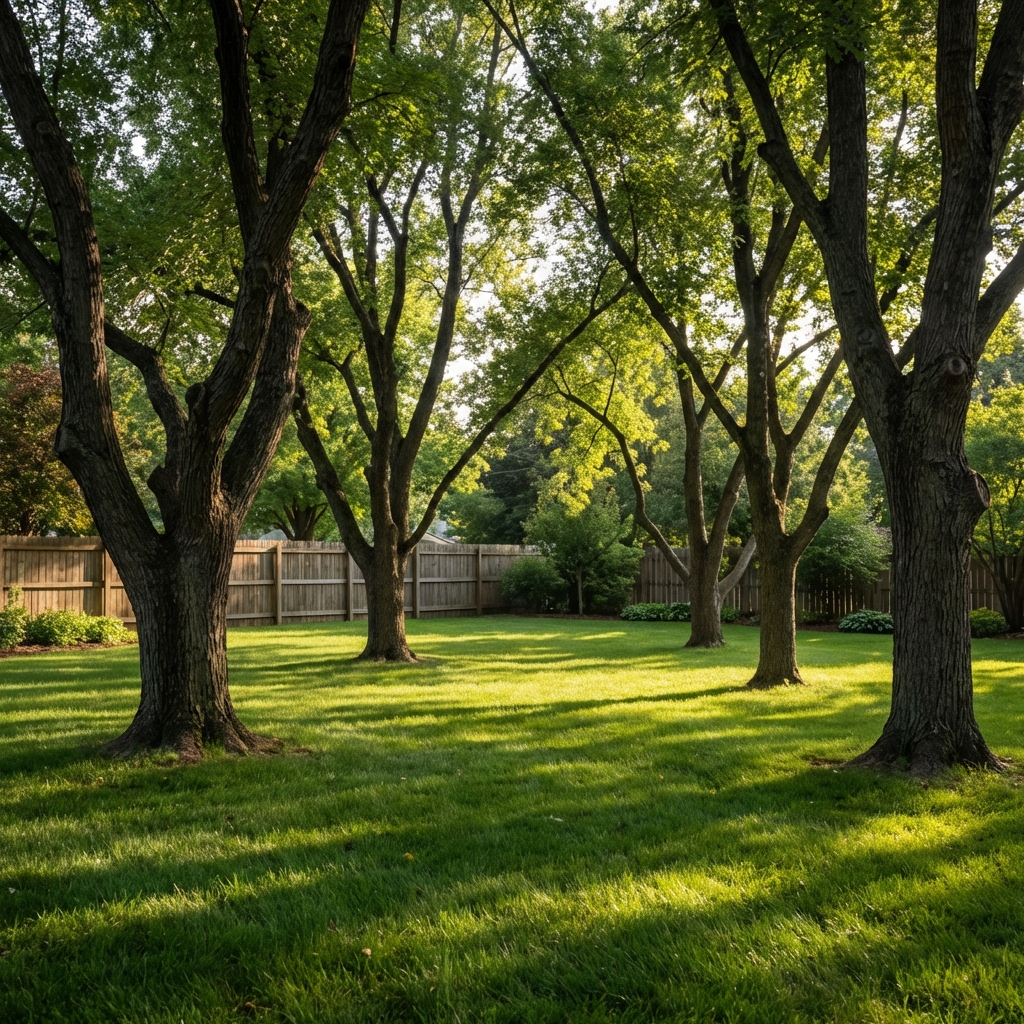
Reduce shade where you can
- Prune low tree limbs to let light and air reach the lawn.
- Thin dense shrubs along edges that block morning sun.
- If it is full shade most of the day, consider switching to mulch, stepping stones, or shade groundcovers.
Fix drainage and wet spots
- Redirect downspouts away from lawn areas.
- Fill low spots with topsoil and reseed.
- In heavy clay, topdress with compost to gradually improve structure.
- For severe problems, consider a French drain or dry creek bed.
Tip: If your footprints leave water in the impressions, the soil is saturated. That can be drainage, compaction, or both.
Aerate compacted soil
Compaction is one of the most common moss triggers in real backyards. Core aeration removes plugs of soil and lets air, water, and nutrients move again.
- Aerate in fall for cool-season lawns, or late spring to early summer for warm-season lawns (during active growth).
- Do not aerate when soil is soggy. You want moist, not muddy.
- After aeration, topdress lightly with compost and overseed thin areas.
Soil test: pH and fertility
People often blame moss on acidic soil and rush to add lime. Sometimes lime helps, sometimes it does nothing, and in the wrong situation it can create nutrient problems. A soil test can also help you avoid underfeeding or overfeeding your lawn.
- Get a soil test through your local extension service or a reputable lab.
- Use results to guide pH changes and your fertilizer plan (nitrogen, phosphorus, potassium, and key micros).
- If the test recommends lime, apply the recommended amount and re-test later.
- If pH is already fine, focus on light, drainage, compaction, and grass selection instead.
Mow and feed for thicker turf
- Mow higher in shady areas. Taller grass captures more light.
- Avoid scalping, which weakens turf and exposes soil.
- Feed based on your grass type and season. Too little fertilizer leads to thin turf, but too much can cause other problems.
Weekend cleanup plan
If you want a simple plan that works for most yards, here is the order I recommend.
- Pick the right day: cool weather, lawn slightly damp, and no heavy rain forecast for 24 hours.
- Rake out the moss: use a stiff rake and remove debris.
- Aerate or loosen compacted spots: garden fork for small patches, core aeration for larger areas.
- Topdress lightly with compost: a thin layer helps seed and improves soil over time.
- Overseed: choose seed for sun or shade, then gently rake it in for good soil contact.
- Water correctly: keep the surface moist until germination, then water deeper and less often.
If you are using an iron-based moss product, apply it before raking or right after, depending on label directions. Then rake out the blackened moss once it dies back.
Moss on patios, pavers, and decks
Moss on hard surfaces is usually a shade and moisture combo. You can remove it safely without turning the area into a chemical zone.
- Start with brushing: a stiff outdoor broom removes a surprising amount.
- Rinse and improve drying: trim plants that block airflow and sunlight.
- Use pressure washing carefully: lowest effective pressure, and avoid blasting joint sand out of pavers.
About vinegar and bleach: Both are popular online, but they come with tradeoffs. Vinegar can damage or etch some stone and can injure nearby plants. Bleach runoff can harm plants and contaminate soil or waterways. If you use any cleaner, test a small spot first, protect nearby landscaping, and manage runoff.
For decks and wood, choose cleaners designed for wood surfaces and follow directions closely. Avoid runoff into ponds or sensitive plantings.
Safety tips
- Wear gloves and eye protection when raking, dethatching, or applying any product.
- Keep kids and pets off treated areas until the label says it is safe to re-enter.
- Do not apply moss treatments right before heavy rain. You want them to stay put, not wash into drains.
- Spot-treat when possible instead of blanket-applying the whole lawn.
- Store products in their original containers, locked and dry.
Common mistakes
- Only killing moss and not reseeding: bare soil invites moss back.
- Adding lime without a soil test: it can be wasted effort or create nutrient issues.
- Overwatering shady areas: shade lawns need less water, not more.
- Mowing too short: short grass loses the light competition fast.
- Expecting grass to thrive in deep shade: sometimes the best fix is changing the landscape plan.
- Dethatching at the wrong time: it can stress turf and create more bare areas for moss to return.
When to call a pro
- Standing water that lasts more than a day or two after rain.
- Major grading issues, drainage failures, or downspout and sump discharge problems.
- Large areas under dense trees where roots, shade, and dry soil compete at the same time.
- You are not sure whether you have a lawn problem or a site problem.
FAQ
Will moss go away on its own?
Not usually. It may thin out during hot, dry weather, but it will come back when conditions turn cool and damp unless you fix the underlying issues.
What is the safest way to get rid of moss in a lawn?
For most homeowners: rake it out, reduce compaction, improve drainage, and overseed. If you need faster knockdown, an iron-based moss control product is a commonly used option when applied exactly as directed.
Does moss mean my soil is too acidic?
Sometimes, but shade, moisture, and compaction are more common drivers. A soil test is the only reliable way to know if pH is part of your problem.
When is the best time to treat moss?
Early spring or fall is ideal because moss is active and cool-season grasses can establish well. For warm-season lawns, late spring to early summer is often the best window for repairs because turf is growing strongly.
Bottom line
If you take one thing away, make it this: moss is a signal. Removing it is the easy part. Keeping it gone means giving grass a fair shot with better light, less compaction, and smarter moisture management. Once the lawn dries out and thickens up, moss usually stops being a repeat visitor.

Jose Brito
I’m Jose Britto, the writer behind Green Beans N More. I share practical, down-to-earth gardening advice for home growers—whether you’re starting your first raised bed, troubleshooting pests, improving soil, or figuring out what to plant next. My focus is simple: clear tips you can actually use, realistic expectations, and methods that work in real backyards (not just in perfect conditions). If you like straightforward guidance and learning as you go, you’re in the right place.