Roaches are not just “gross” pests. They are survival specialists. If they have food, water, and a safe hiding spot, they can keep showing up even after you spray every corner.
The good news is you can often get excellent results without filling your home with harsh chemicals. The most reliable low-tox approach is a simple combo: remove what attracts them, block their access, and use targeted baits and light dust applications where they actually travel.
Reality check: Heavy German roach infestations can be stubborn. Sometimes the most practical “natural-ish” move is still an IPM-style plan that includes professional-grade gel baits and an IGR (insect growth regulator) applied in cracks and voids.
First: Know what you are dealing with
Different roaches behave differently. This matters because the “best” low-tox method depends on where they live, what they eat, and how close they stay to water.
Quick ID tips
- German roaches: small, tan to light brown, usually in kitchens and bathrooms. They multiply fast and love warmth and moisture.
- American roaches: large, reddish-brown. Often associated with basements, garages, utility rooms, sewers, and drains, but they can establish indoors if conditions are right.
- Oriental roaches: darker, prefer damp areas like crawl spaces, leaky basements, and floor drains. They can also build populations indoors near chronic moisture.
- Smokybrown roaches: dark brown. Often start outdoors, but can live in attics, wall voids, and other humid sheltered areas, especially near leaf litter or moisture issues.
If you are seeing small roaches during the day, or many at once, you likely have an established population. You can still handle it with low-tox methods, but you will need consistency for several weeks.
What “natural” means for roach control
For roaches, “natural” works best when it means low-tox and targeted, not “one magic spray.” Essential oils can repel temporarily, but they rarely solve an infestation on their own.
The methods below focus on proven tools that limit exposure: baits that stay in cracks, dusts applied lightly where roaches hide, and prevention that removes the resources they need.
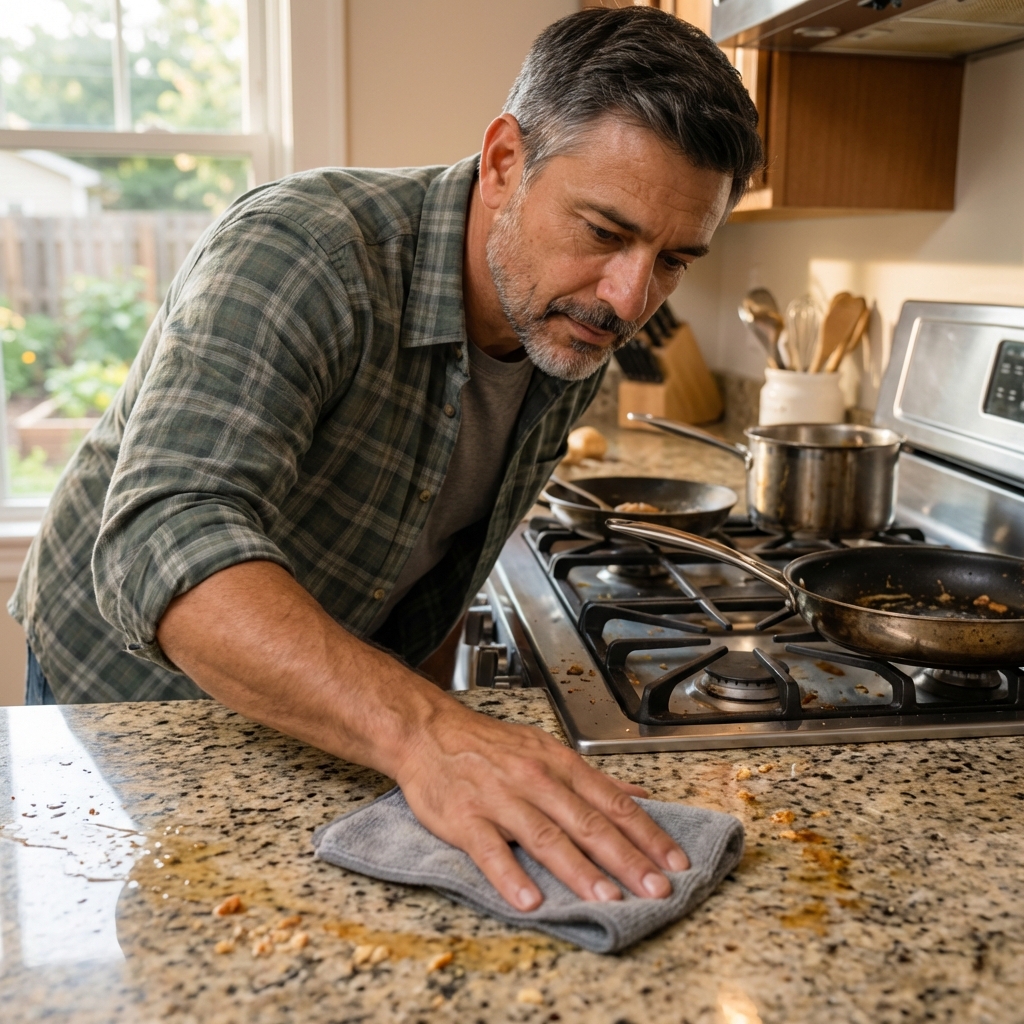
Step 1: Cut off food and water
If you skip this step, every other method works much worse. Roaches can survive on crumbs, grease film, pet food, and even cardboard glue.
Kitchen and dining checklist
- Wipe grease from stove sides, hood edges, and the wall behind appliances.
- Vacuum along baseboards and under the fridge and oven, then empty the vacuum outside.
- Store food in sealed containers. That includes cereal, flour, snacks, and treats.
- Do not leave pet food out overnight. Feed, then pick up bowls and wipe the area.
- Take trash out nightly if you are actively fighting roaches. Rinse recyclables.
Beyond the kitchen
- Reduce clutter, especially paper bags, cardboard boxes, and stacked packaging in closets, pantries, and under sinks.
- Check appliance drip pans (refrigerator and AC units) and clean them. Standing water is a roach magnet.
- Do laundry regularly and avoid storing damp towels or bath mats in piles.
Water is the hidden driver
- Fix leaks under sinks, behind toilets, and at the dishwasher hookup.
- Dry the sink and counters at night. A roach can drink from a thin film of water.
- Use a dehumidifier in damp basements if humidity stays high.
Step 2: Find hiding spots and routes
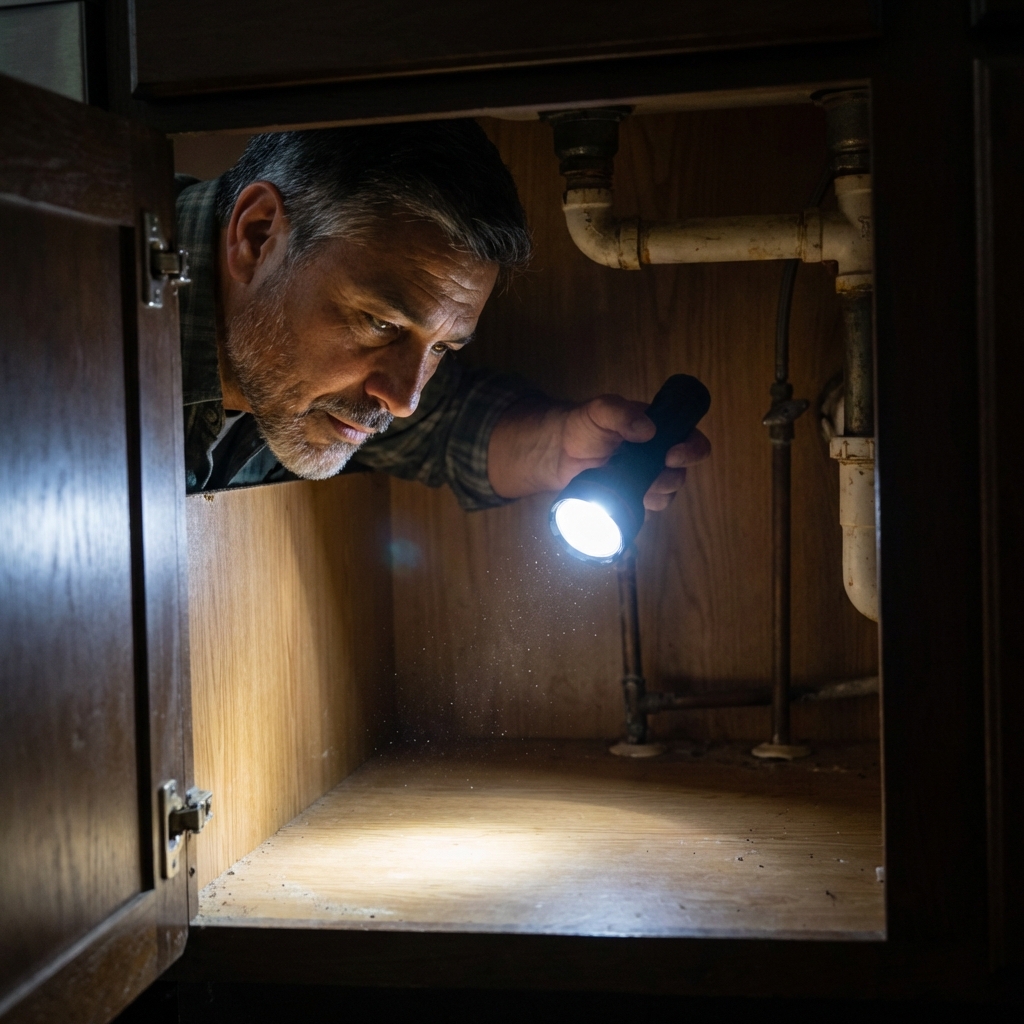
Roaches prefer tight, dark, undisturbed spots. Your goal is to identify their routes so you can place baits and dusts where they actually move.
Hot spots to inspect
- Behind and under the refrigerator, especially near the compressor area
- Under the sink around plumbing penetrations
- Inside cabinet hinges and corners
- Behind the microwave and coffee maker area
- Bathroom vanity, behind toilet, and around drain lines
- Basement floor drains and sump areas
Signs include pepper-like droppings, smear marks, shed skins, egg cases, and a musty odor in heavy infestations.
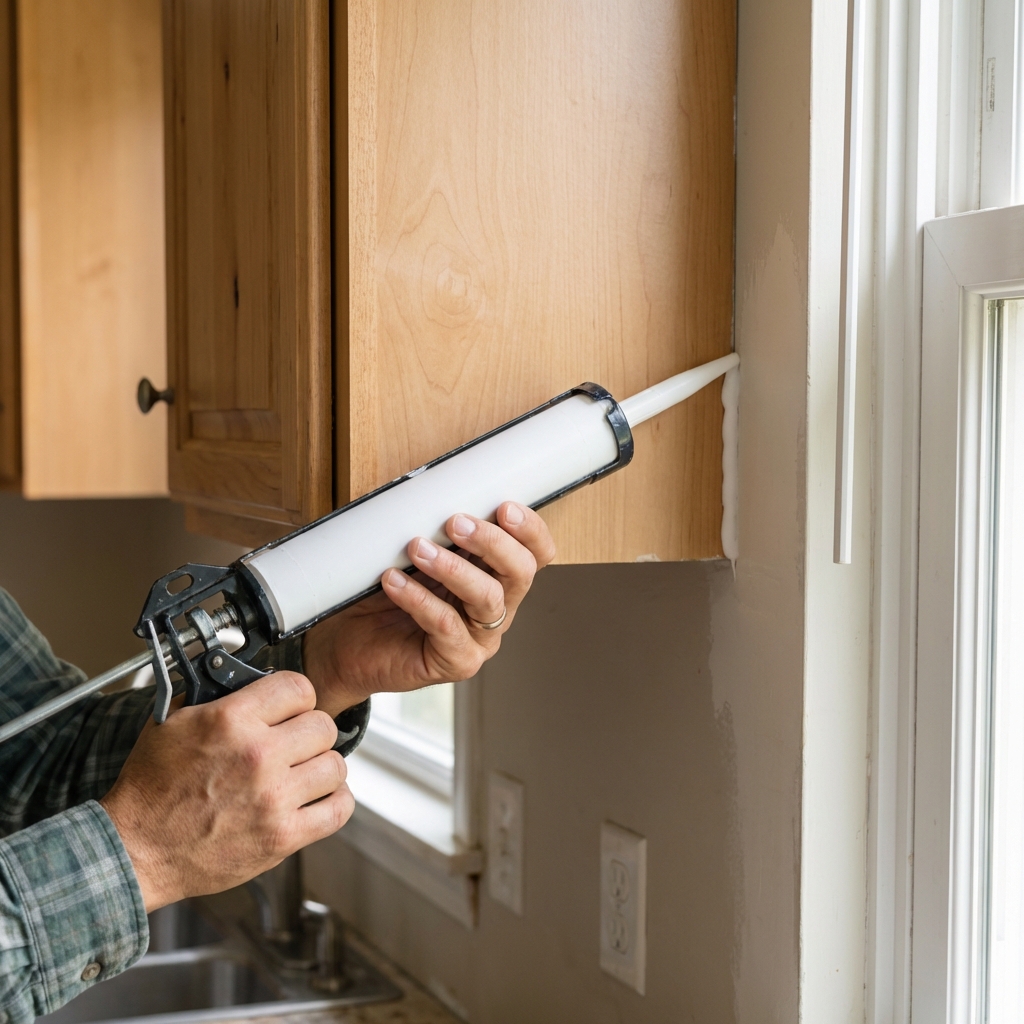
Step 3: Seal cracks and entries
Exclusion is the “gardener mindset” of pest control: you make the home less hospitable, so roaches cannot thrive. Sealing also makes baits more effective because roaches have fewer safe routes.
Best materials
- Silicone caulk for gaps along baseboards, cabinets, and backsplashes
- Steel wool + caulk for larger gaps around pipes (roaches can squeeze through tiny spaces)
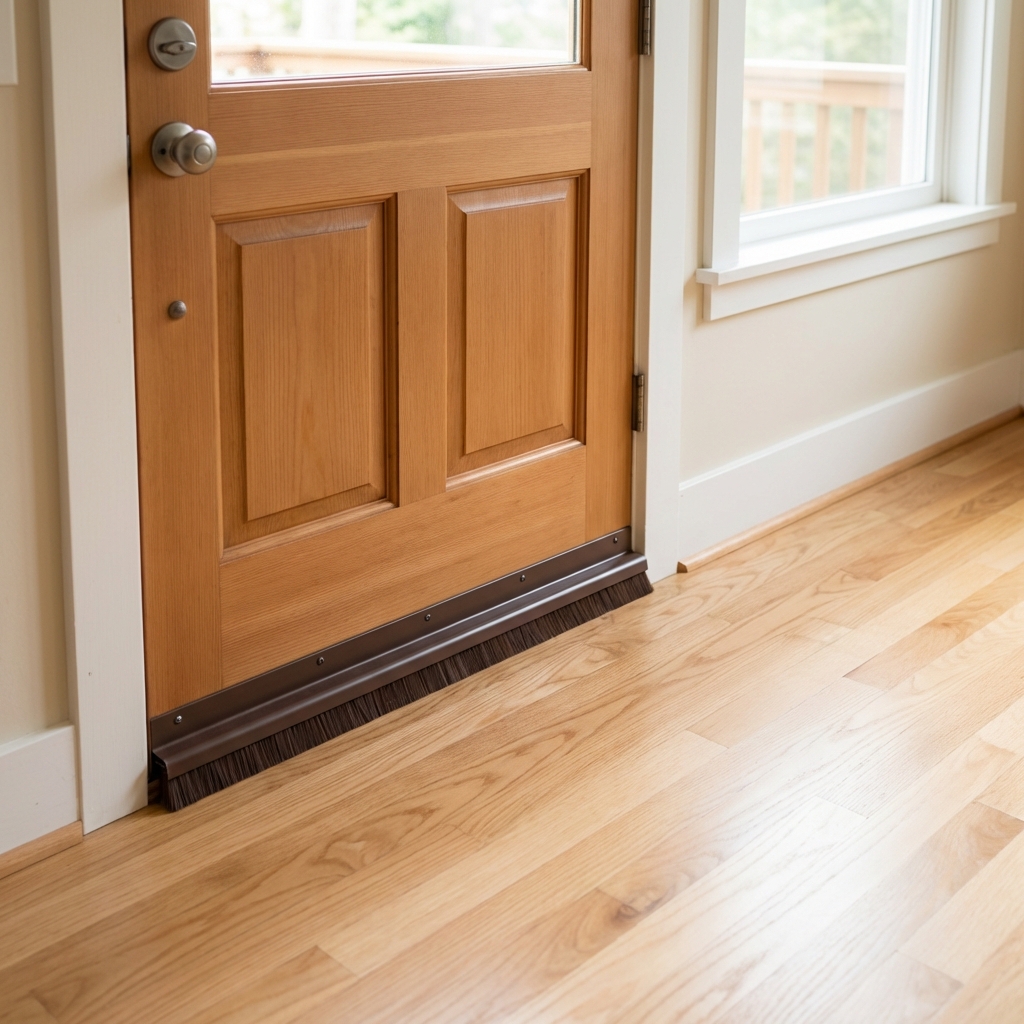
- Door sweeps for exterior doors and the garage entry
- Mesh screens for vents and weep holes where appropriate
Step 4: Use sticky traps to track progress
Sticky traps are not the whole solution, but they are a great scouting tool. They tell you where roaches are most active and whether your plan is working week to week.
Where to place traps
- Along the wall behind the fridge
- Under the sink near plumbing
- Inside a lower cabinet corner
- Behind the toilet (if activity is suspected)
How to read traps
- Date and label each trap (for example: “Kitchen, under sink”).
- Map catches in a quick note on your phone so you can see patterns.
- Improvement looks like fewer roaches per trap per week, and activity shrinking to one main hot spot.
Check weekly. If traps stay empty for 2 to 3 weeks, you are usually turning the corner.
Step 5: Low-tox killers that work
Here are the most effective natural and low-tox options. You can use more than one, but avoid making a powder mess. Roaches avoid thick piles, and dust can get into places you do not want it.
Diatomaceous earth (food grade)
How it works: It damages the waxy layer of the roach’s exoskeleton, leading to dehydration.
- Use food-grade diatomaceous earth, not pool grade.
- Apply a barely-there dust layer in cracks, behind appliances, and along baseboards.
- Use a duster or puffer for proper light application.
- Keep it dry. Wet DE does not work until it dries again.
Safety: Avoid breathing dust. Use a mask during application and keep it away from where kids and pets can stir it up.
Boric acid (effective when placed correctly)
How it works: Boric acid is a stomach poison and also affects the roach’s outer layer. It can be very effective, especially for German roaches, when used in the right places.
- Apply an ultra-light dusting behind the fridge, under the dishwasher edge, and in wall voids if accessible.
- Do not sprinkle thick lines. Roaches will avoid it.
- Use a duster or puffer so you can keep it minimal and controlled.
- Keep it out of reach of children and pets. Do not use on countertops or food prep surfaces.
Important: Boric acid is naturally occurring but still toxic if ingested. Treat it like a serious product and place only where it cannot be contacted.
Baits (the colony pressure approach)
Baits work because roaches feed on the bait and, depending on the product and conditions, you can also get secondary effects when other roaches consume contaminated droppings, regurgitation, or carcasses. In plain terms: a good bait placed in the right crack can reduce the whole population, not just the one you see.
Why broad spraying can backfire: Many sprays and strong-smelling repellents can push roaches into deeper hiding spots and reduce bait feeding. If you are baiting, keep the area around bait placements as “normal” as possible.
DIY bait stations (use extra caution)
If you want a more natural angle, some people make DIY baits with boric acid. This can work, but it is easy to do poorly or unsafely.
- Use only a small amount of boric acid. Too much can repel roaches.
- Keep it enclosed (bottle caps inside a taped-down container, or commercial-style bait stations). Do not leave exposed bait where kids or pets can reach it.
- Follow label guidance on any product you use. When in doubt, skip DIY and use a pre-made enclosed bait for safer, consistent dosing.
Tip: If you see roaches but they ignore the bait, switch the lure. Some prefer sweet, others prefer greasy.
Borax vs boric acid
Borax and boric acid are not the same substance. Borax is sometimes used in DIY mixes, but for roaches, boric acid is the more common and predictable choice. If you use any boron-based product, use it carefully and keep it inaccessible to kids and pets.
Soapy water for immediate kill
If you need an instant option for a roach you can see, a spray bottle with water plus a small squirt of dish soap can work by disrupting breathing.
- Use this for quick knockdown, not as your main strategy.
- Wipe up afterward to avoid leaving moisture available.
Step 6: Natural repellents (helpful, limited)
Repellents can help steer roaches away from certain areas, but they can also push them deeper into walls if that is your only tactic. They are best used as a side tool, not the foundation.
Options that can help
- Peppermint oil diluted in water with a little mild soap as an emulsifier, used on baseboards and entry points (test on surfaces first).
- Cedar blocks or sachets in storage areas (more helpful for prevention than active infestations).
If you use essential oils, keep them away from pets, especially cats, and do not apply where animals lick or rub.
A realistic 14-day plan
Days 1 to 2: Reset
- Deep clean crumbs and grease, especially under appliances
- Fix leaks and dry sinks nightly
- Reduce clutter (paper bags, cardboard, storage piles)
- Start sticky traps to map activity (label and date them)
Days 3 to 5: Exclude and treat
- Caulk cracks and seal pipe gaps
- Apply a light dust layer of DE or boric acid in hidden travel zones (use a duster)
- Place small bait stations near hot spots
Days 6 to 14: Maintain and adjust
- Replace or refresh baits if they dry out or get ignored
- Move traps based on what you catch
- Keep the nightly kitchen routine consistent
Many homes see a noticeable drop within 2 to 6 weeks when baiting and exclusion are done well. Light activity can improve sooner, while established German roach infestations often take longer. Consistency beats intensity.
Common mistakes
- Using too much powder (thick piles repel roaches and make cleanup harder)
- Skipping water control (a small leak can keep a population going)
- Spraying repellents over bait areas (you reduce bait feeding)
- Only treating what you can see (most activity is in voids, cracks, and behind appliances)
- Not treating adjacent rooms (kitchen, bath, and laundry often connect via plumbing runs)
Roach allergens and asthma
Roach droppings, shed skins, and body fragments can trigger allergies and asthma. Along with killing roaches, focus on removing the allergen load:
- HEPA vacuum floors, baseboards, and cabinet edges (empty the canister outside).
- Wipe hotspots with soapy water to pick up residue (then dry the area).
- Do not sweep dry droppings into the air if you can avoid it.
When to call a pro
Low-tox methods handle a lot, but there are times it is smart to get help:
- You see roaches in multiple rooms during the day
- You have asthma or allergy concerns and need a tightly managed approach
- Your building has shared walls and neighbors have active infestations
- You have tried 2 to 6 weeks of consistent baiting and exclusion with little improvement
If you do hire someone, ask about integrated pest management (IPM), targeted baits, and crack-and-crevice treatment, not broad indoor spraying.
Quick FAQ
Is diatomaceous earth safe for pets?
Food-grade DE is generally considered low risk, but it is still a fine dust that can irritate lungs. Apply it in cracks and hidden spaces and avoid open areas where pets can kick it up.
Can I mix boric acid with sugar and sprinkle it around?
Do not sprinkle it openly. Use tiny, enclosed bait placements in hidden areas and keep it away from kids and pets. Also avoid overloading the mix, since too much boric acid can repel roaches. Pre-made enclosed baits are often safer and more consistent.
Why am I seeing more roaches after baiting?
That can happen at first as they forage more and move through treated zones. Keep your routine steady and track progress with dated traps, not just sightings.
Bottom line
To kill roaches naturally, you need more than a spray. Cut food and water, seal gaps, then use targeted tools like sticky traps, a light dust layer of food-grade DE or boric acid in protected spaces, and carefully placed baits. Keep at it for a few weeks and you will typically see the population crash, then your prevention habits keep it from rebuilding.

Jose Brito
I’m Jose Britto, the writer behind Green Beans N More. I share practical, down-to-earth gardening advice for home growers—whether you’re starting your first raised bed, troubleshooting pests, improving soil, or figuring out what to plant next. My focus is simple: clear tips you can actually use, realistic expectations, and methods that work in real backyards (not just in perfect conditions). If you like straightforward guidance and learning as you go, you’re in the right place.