Bed bug bites are one of those problems that feel personal fast. The good news is that most bites are treatable at home with basic skin care and a little patience. The bigger challenge is stopping new bites, because no cream works if you keep getting bitten at night.
This guide covers what you can do right now to soothe your skin, what to avoid, and what symptoms mean you should get medical care. It also includes a few practical steps to reduce bites while you work on eliminating the bugs.
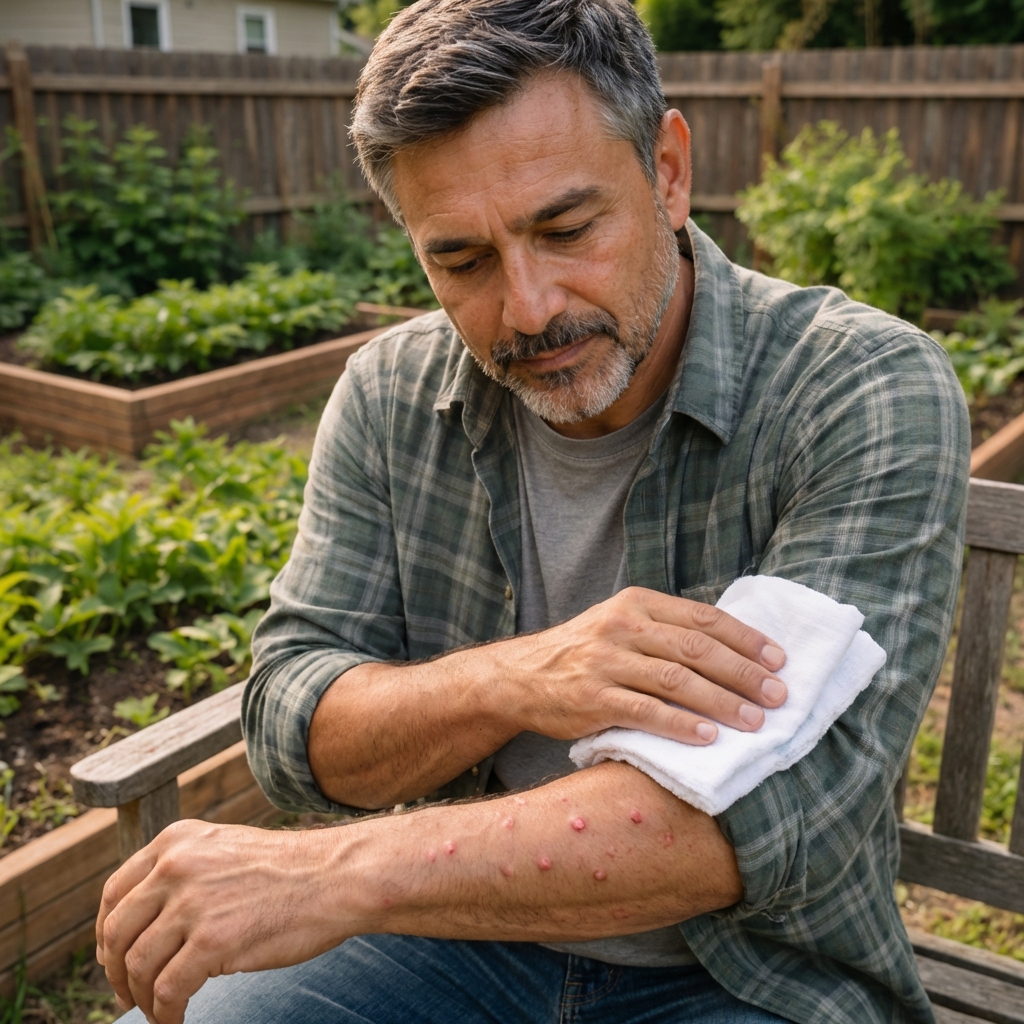
First: clean and cool the skin
If you just noticed bites or you woke up scratching, start with the basics. This lowers irritation and helps prevent infection.
- Wash gently with mild soap and lukewarm water. Pat dry, do not rub.
- Apply a cool compress for 10 to 15 minutes. Repeat a few times a day as needed.
- Keep nails short to reduce skin damage if you scratch in your sleep.
In many cases, this simple routine takes the edge off enough that you can sleep.
What bed bug bites look and feel like
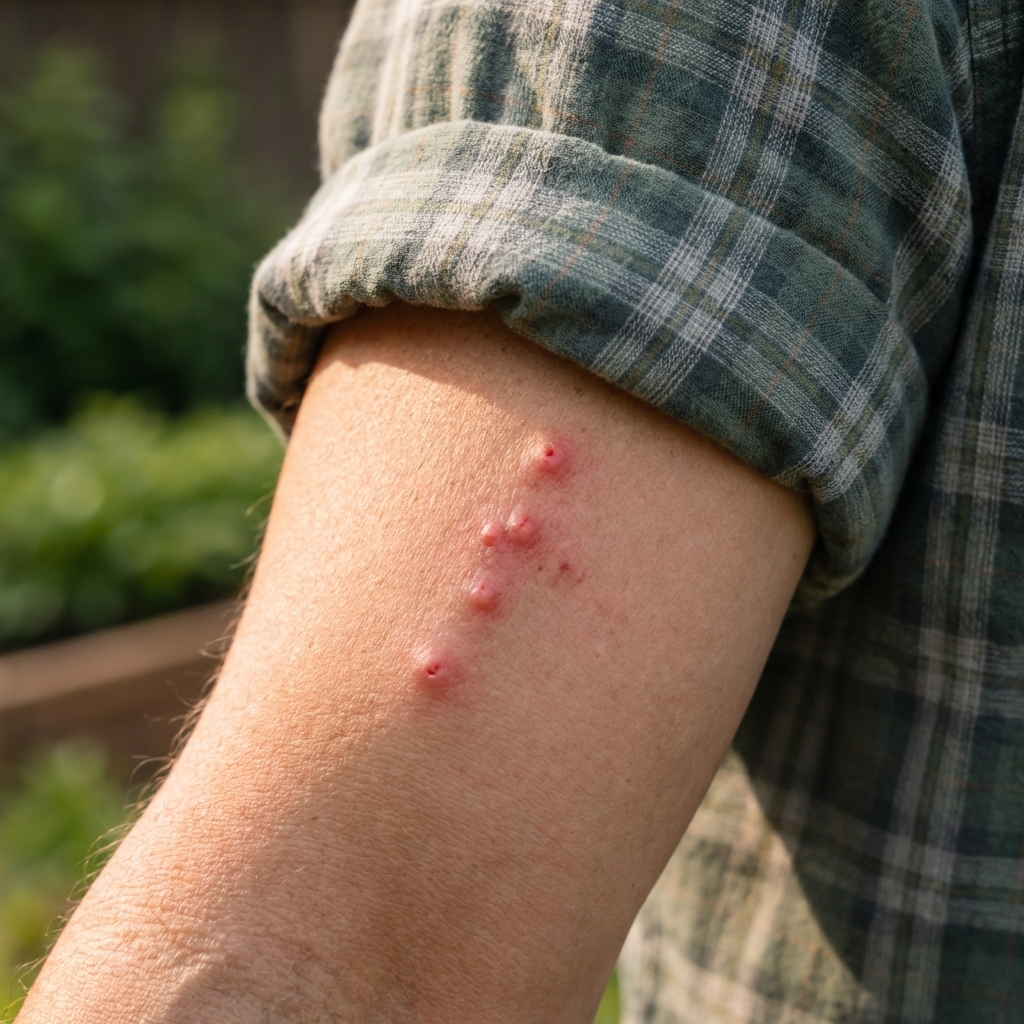
Not everyone reacts the same way. Some people get obvious welts, others barely show a mark. Common patterns include:
- Itchy red bumps, sometimes with a darker center.
- Clusters or lines of bites, often on exposed skin like arms, neck, shoulders, and lower legs.
- Delayed reaction where bites show up hours or even a day later.
Now for the helpful part: the same few at-home steps work for most mild reactions, no matter what the bites look like.
If you have widespread rash, blistering, or swelling around the eyes or lips, skip home treatment and jump to the medical help section below.
At-home treatments for itching and swelling
The goal is simple: reduce inflammation, reduce itch, and protect the skin barrier so the bites can heal.
1) Over-the-counter anti-itch options
- Hydrocortisone 1% cream: Apply a thin layer 1 to 2 times daily for a few days. Avoid using on broken skin and avoid longer use, especially on thin or sensitive areas, since steroids can irritate or thin skin over time.
- Calamine lotion: Helpful for drying and soothing itchy spots.
- Oral antihistamine (like cetirizine or loratadine): Can reduce itch, especially if you are reacting strongly.
- Oral diphenhydramine at night: Can help with sleep for some people, but may cause drowsiness the next day. Follow label directions and avoid mixing with alcohol or other sedating meds. (Skip topical diphenhydramine creams or gels, which can irritate skin in some people.)
2) Pain and swelling relief
- Cold packs for swelling and burning.
- Acetaminophen or ibuprofen if bites are sore and you can take these safely.
3) Simple skin-soothing care
- Fragrance-free moisturizer to reduce dryness that can trigger more itching.
- Oatmeal bath (colloidal oatmeal) if you have many bites. Use lukewarm water and keep it short.
If you are treating a child, pregnant, or managing chronic skin conditions, it is smart to check with a pharmacist or clinician before using multiple products.
What not to do
Most bed bug bite complications come from irritation and infection, not the bites themselves.
- Try not to scratch. Scratching opens the skin and invites bacteria.
- Avoid harsh antiseptics like hydrogen peroxide or rubbing alcohol on itchy bites. They can irritate skin and slow healing. For most bites, soap and water is usually enough.
- Do not overuse topical steroids. Using hydrocortisone too often, too long, or on sensitive areas can irritate skin and cause thinning over time.
- Do not pop blisters if they form.
How long bed bug bites last
Timing varies a lot. Many people find the itch improves within a few days and the bumps fade within 1 to 2 weeks. Some people have almost no reaction, while others develop itchy papules that linger longer, especially with repeated exposure or lots of scratching.
What keeps bites hanging around is usually:
- Repeated exposure from an untreated infestation
- Scratching and skin damage
- Secondary infection
Signs of infection or allergic reaction
Use this as your checklist. If any of these show up, treat it seriously.
Possible infection
- Increasing redness, warmth, or swelling around a bite
- Pus, drainage, or crusting that keeps spreading
- Red streaks moving away from the bite
- Fever or feeling unwell
Allergic reaction (get urgent care)
- Swelling of lips, tongue, face, or eyes
- Trouble breathing, wheezing, chest tightness
- Widespread hives or rapidly spreading rash
- Dizziness or fainting
If breathing is affected or swelling is severe, call emergency services right away.
Stop new bites while you treat your skin
You can soothe bites perfectly and still wake up with more if bed bugs are still present. The steps below can help reduce bites, but most infestations still need a full, thorough treatment plan.
Immediate steps for the bedroom
- Wash and dry bedding on heat. Use the hottest cycle the fabric can tolerate. A hot dryer is especially effective. Many guidelines recommend high heat for about 30 minutes, and the goal is for items to get hot enough throughout to kill bugs and eggs.
- Bag cleaned items in sealed plastic bags or bins to keep them from getting re-infested.
- Vacuum seams and crevices of the mattress, box spring, bed frame, headboard, baseboards, and nearby furniture. Empty the vacuum into a sealed bag immediately.
- Reduce clutter near the bed. Clutter gives bed bugs more hiding spots and makes treatment harder.
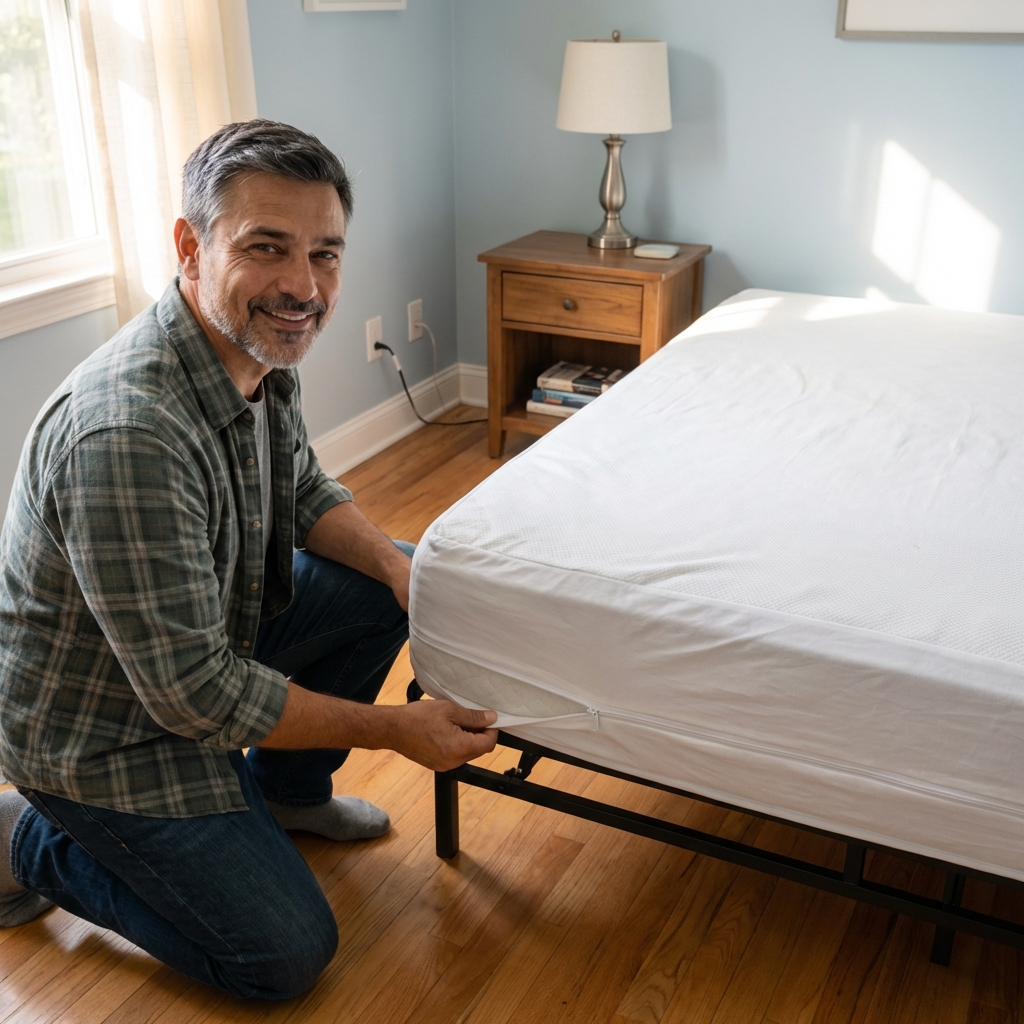
- Use a mattress and box spring encasement made for bed bugs (zippered, escape-proof).
- Pull the bed away from the wall and keep blankets from touching the floor.
- Try interceptors under bed legs. These can help trap bugs and also help you monitor whether the problem is improving.
- Avoid indoor bug bombs and heavy DIY pesticide use. These often do not work on bed bugs and can create unnecessary exposure. If you use any product, follow the label exactly.
When to call a professional
If you are seeing live bugs, spotting dark specks on sheets or mattress seams, or bites keep appearing, professional treatment is often the fastest path to real relief. Bed bugs are stubborn, and DIY methods alone commonly miss eggs and hidden harborages. Also, avoid moving infested items to other rooms, since that can spread the problem through the home.
Bed bug bites vs look-alikes
If you spend time outdoors, it helps to know what you might be dealing with. Timing, location on the body, and whether bites happen only after sleeping at home can offer clues.
- Mosquito bites: often isolated puffy welts, usually after being outside, commonly on ankles and arms.
- Flea bites: small itchy dots, often clustered around ankles and lower legs, commonly with pets in the home.
- Chigger bites: intense itch after yard work in tall grass or brush, often around sock lines, waistbands, or under tight clothing.
- Contact dermatitis (poison ivy, plant sap, fertilizers): more like a patchy rash or blisters in areas that brushed against a plant.
If you are unsure, a clinician can often tell by pattern, timing, and location. As a practical test, if you stop getting new bites when sleeping elsewhere and you find signs around the bed (spots, shed skins, or live bugs), bed bugs move higher on the list.
Quick routine for tonight
- Shower or wash bites with mild soap and water.
- Cool compress for 10 to 15 minutes.
- Apply hydrocortisone 1% or calamine to itchy areas.
- Consider a non-drowsy oral antihistamine if itching is keeping you miserable.
- Change bedding, wash and dry on hot, and inspect mattress seams and the bed frame.
- Try not to scratch. Cover bites with loose clothing if needed.
FAQ
Should I put antibiotic ointment on bed bug bites?
Not routinely. If you scratched a bite open, a thin layer may help protect the area short-term, but overuse can irritate skin. If you suspect infection, it is better to get medical advice.
Can bed bug bites make you sick?
Bed bugs are not known to spread disease the way some insects can, and there is currently no strong evidence they transmit infections to people in most real-world settings. That said, bites can lead to skin infection from scratching and can trigger allergic reactions in some people.
Do bed bug bites go away on their own?
Most do. The main job is controlling itch and preventing infection while the skin heals, plus stopping new bites by addressing the source.
Is it okay to use essential oils on bites?
Be careful. Many essential oils can cause contact dermatitis, especially on already irritated skin. If you use anything scented, patch test first and stop if burning or redness increases.
When to get medical help
Seek care if you have signs of infection, symptoms of a serious allergic reaction, bites near the eyes with swelling, or itching so intense you cannot sleep after a few nights of home treatment. A clinician can recommend stronger anti-itch medications or treat infection if it is present.
If bites keep appearing, treat your home environment as the main problem. Skin relief is step one. Stopping the bites is what makes the relief stick.

Jose Brito
I’m Jose Britto, the writer behind Green Beans N More. I share practical, down-to-earth gardening advice for home growers—whether you’re starting your first raised bed, troubleshooting pests, improving soil, or figuring out what to plant next. My focus is simple: clear tips you can actually use, realistic expectations, and methods that work in real backyards (not just in perfect conditions). If you like straightforward guidance and learning as you go, you’re in the right place.