Bed bugs are one of those problems you want to catch early, because they are much easier to deal with before they spread further. The tricky part is that you usually do not see the bugs right away. What you see first are the clues they leave behind.
This guide walks you through exactly what to look for, where to check, and how to do a simple at-home inspection without turning your whole place upside down.
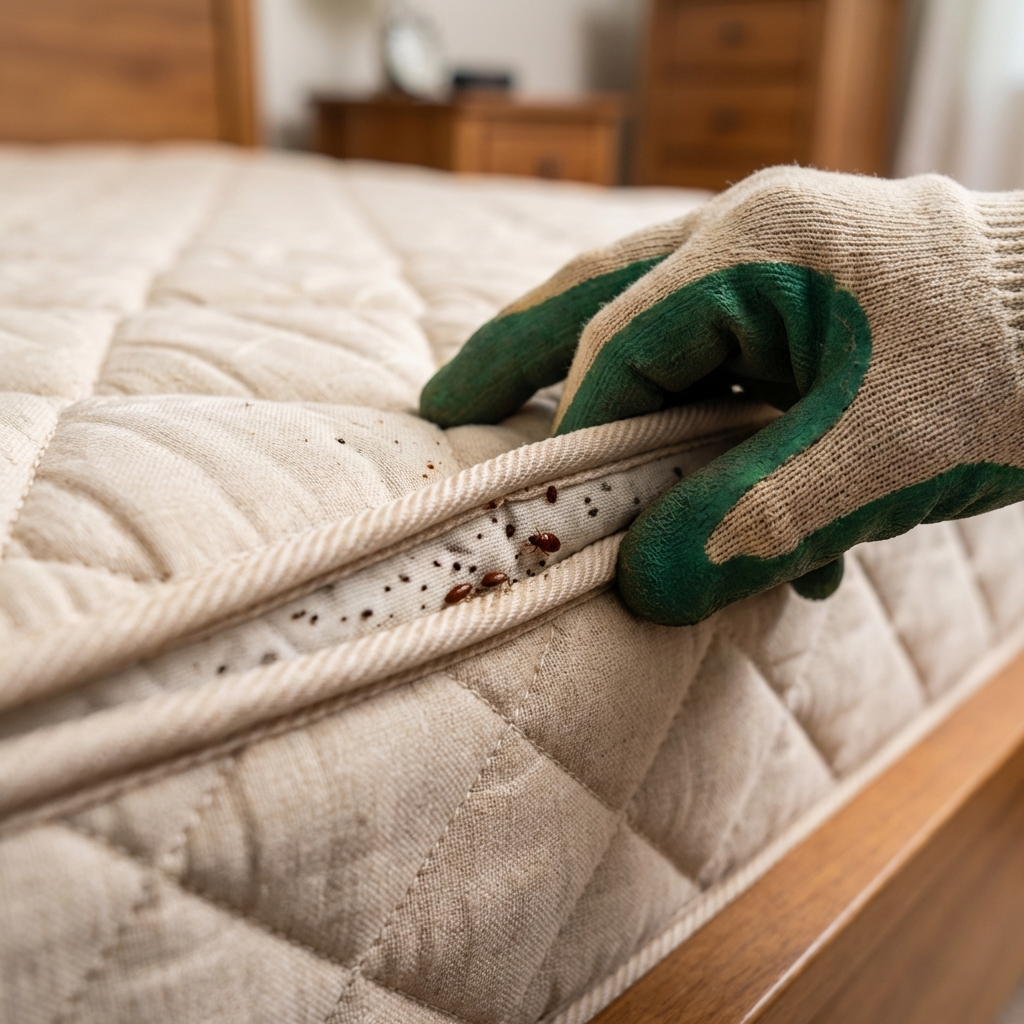
What bed bugs look like
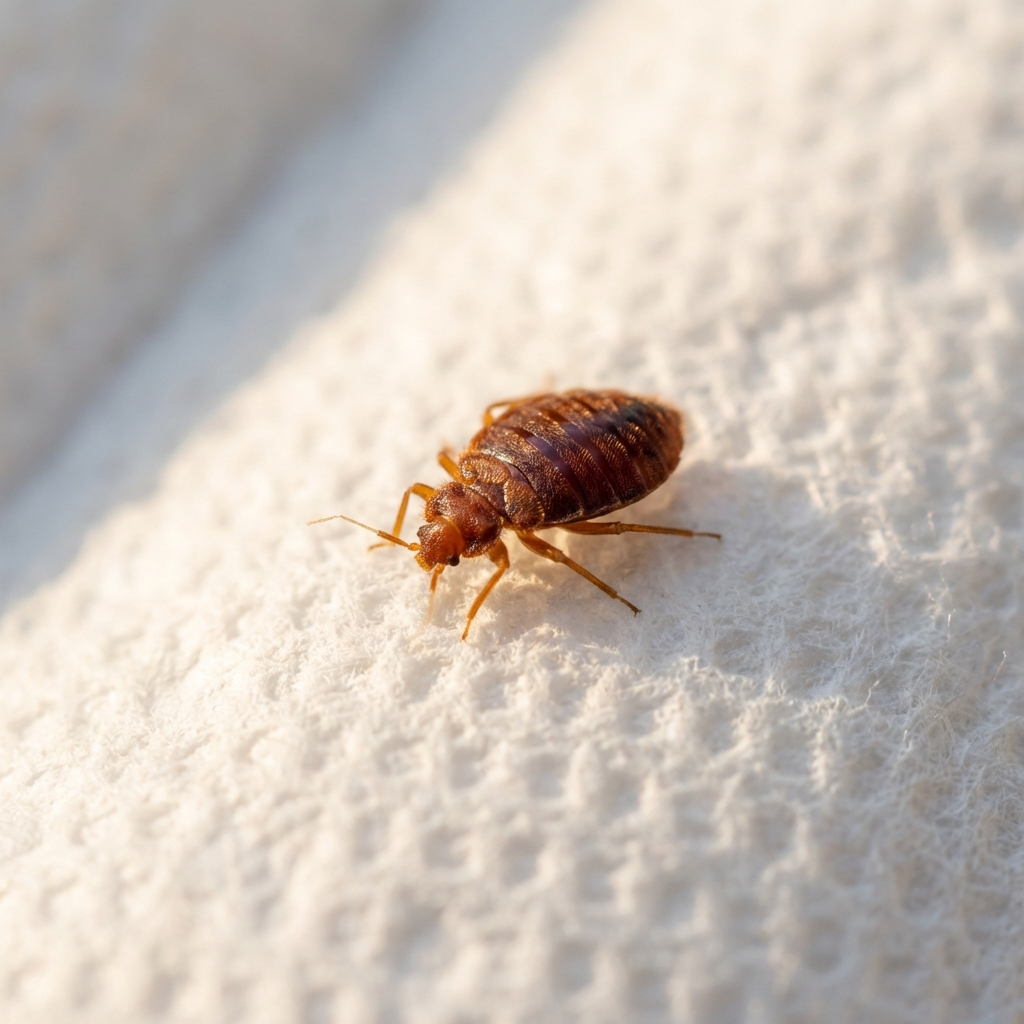
Adult bed bugs are small, flat, and oval, about the size of an apple seed. They are usually reddish brown, and after feeding they look more swollen and darker. Young bed bugs, called nymphs, are smaller and lighter, sometimes almost translucent. Eggs are tiny, white, and easy to miss unless you are looking closely along seams and hidden edges.
Quick ID tips
- Adults: flat, oval, reddish brown, apple-seed size.
- Nymphs: smaller, paler, harder to see.
- Eggs: tiny, pearly white, stuck in hidden spots.
If you see a bug and you are unsure, do not crush it and move on. Crushing can stain fabric and makes identification harder. Try to trap it with clear tape or place it in a sealed bag or small container for identification.
Note: If you live around bats or nesting birds (attics, eaves, chimneys), a look-alike called bat bugs or swallow bugs is possible. They are handled similarly at first, but proper identification matters, so consider a professional ID.
Common signs of bed bugs
You are usually confirming bed bugs by finding a combination of signs, not just one. Here are the most reliable ones.
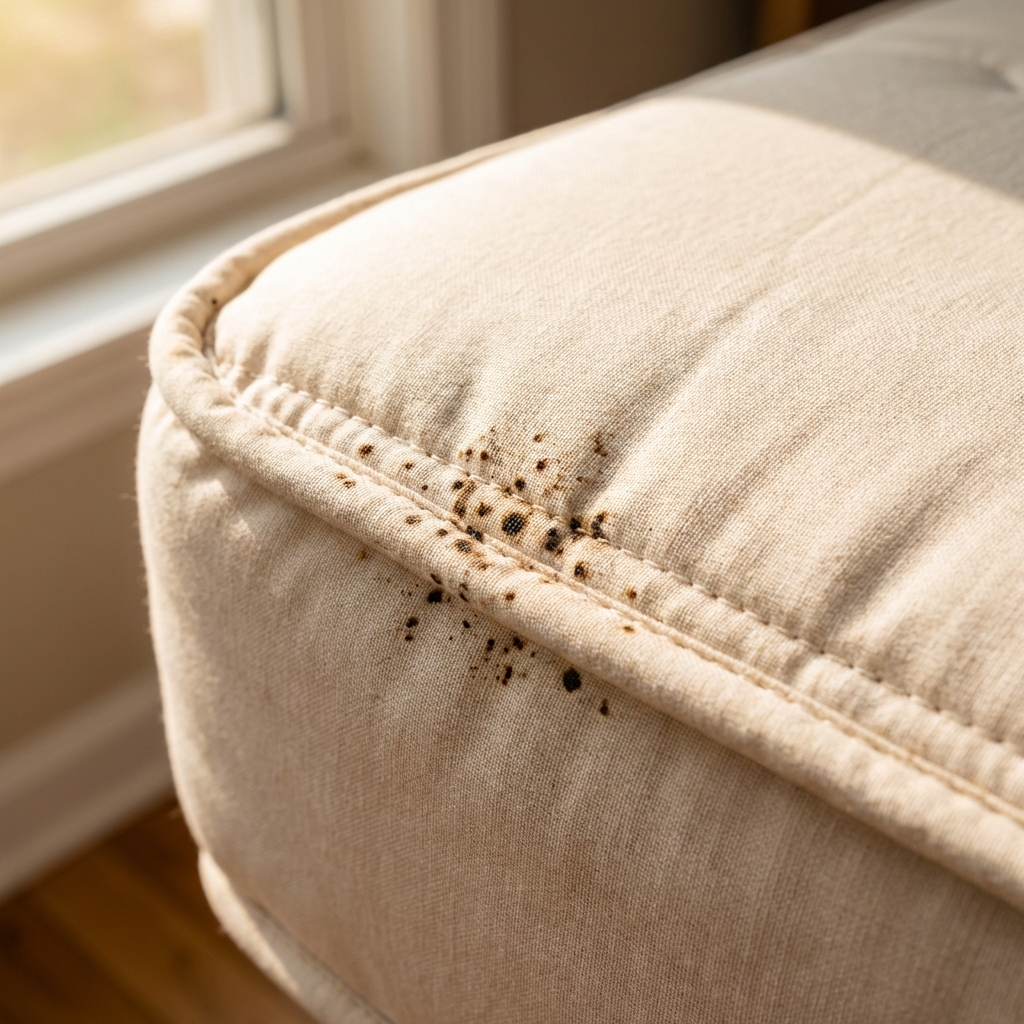
1) Dark spotting on fabric
Look for tiny dark dots that look like ink marks from a pen tip. These are often bed bug droppings and tend to show up along mattress seams, box spring edges, and upholstered furniture seams.
2) Rust-colored stains
Small reddish smears can come from crushed bed bugs or blood spots after feeding. You may see these on sheets, pillowcases, and along the edge of the mattress.
3) Shed skins
As bed bugs grow, they molt. The skins look like pale, papery, bug-shaped shells and often collect near hiding spots like bed frame joints.
4) Eggs and eggshells
Eggs are sticky and laid in tucked-away places. Finding even a few can mean a larger issue nearby.
5) A musty, sweet odor (sometimes)
Some people notice a musty smell in heavy infestations, but this is not a dependable early sign. Use it as a supporting clue only.
Bed bug bites are not proof
Bites can point you in the right direction, but they are not enough to diagnose bed bugs on their own. People react differently, and other pests can cause similar marks.
What bites often look like
- Small, itchy welts that may appear in a line or cluster.
- Often on exposed skin like arms, shoulders, neck, and lower legs.
- May show up a day or two after being bitten.
When bites are less helpful
- Some people barely react at all.
- Allergies, mosquitoes, fleas, and contact irritation can look similar.
If you are waking up with new bites, treat that as your cue to inspect carefully for physical signs.
Where to look first
Bed bugs like to stay near their food source. In most homes, that means the bed and nearby furniture. Start in the bedroom, and work outward only if you find signs.
Top hotspots in a bedroom
- Mattress seams and piping: especially near the head of the bed.
- Box spring: edges, corners, and underneath, including the fabric cover.
- Bed frame and headboard: screw holes, joints, cracks, behind the headboard.
- Nightstand: drawer joints, underside, and where the back panel meets the frame.
- Upholstered chairs: seams, tufts, and under cushions.
- Baseboards and trim: especially near the bed.
- Curtains: folds and the top edge near hooks.
If people nap on the couch or spend evenings in a recliner, check those areas early too. In many homes, living room seating is a close second to the bed for hiding spots.
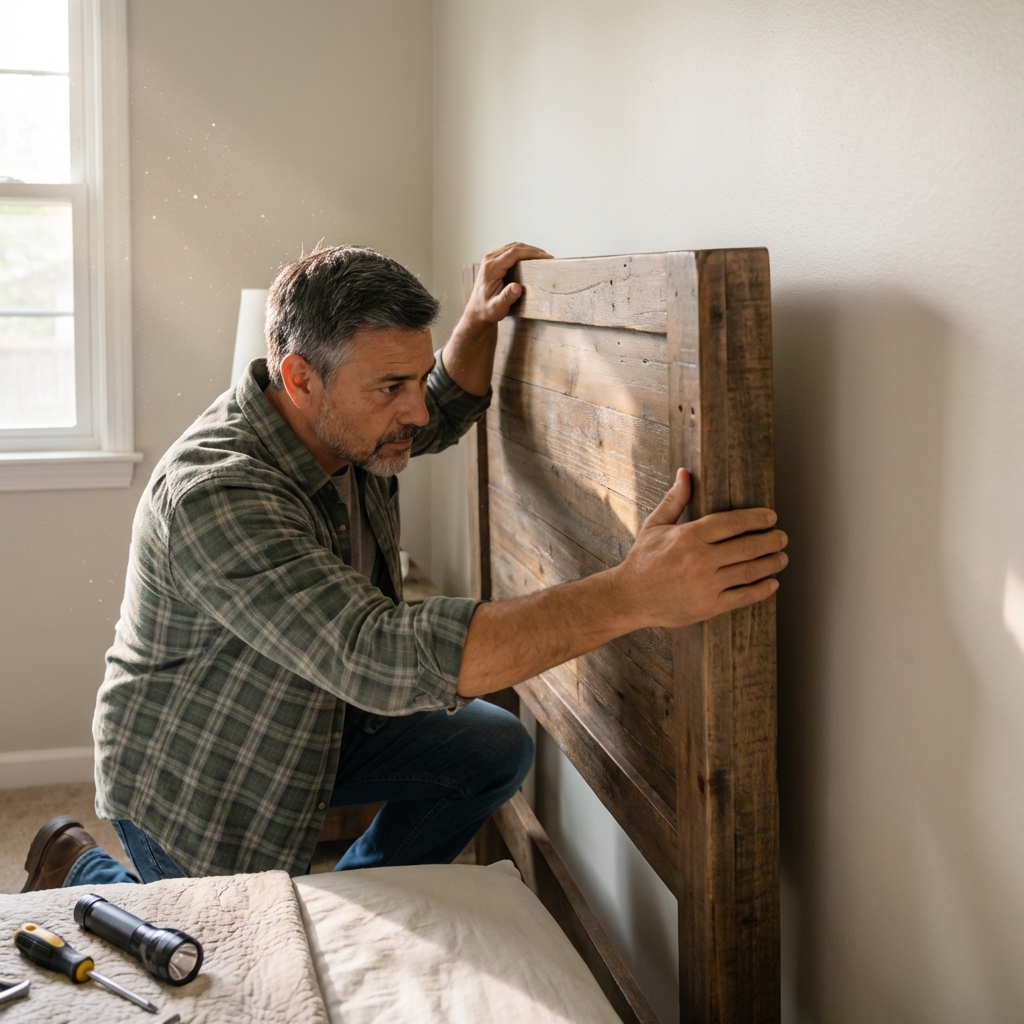
Your DIY inspection kit
You do not need fancy tools, but you do need good lighting and a way to check tight seams and corners.
- Flashlight: your phone light works, but a bright handheld flashlight is better.
- Thin card: an old credit card helps run along seams and edges.
- Disposable gloves: keeps things cleaner and helps you stay methodical.
- Clear tape or a small jar: for capturing a sample.
- Trash bags: for bagging bedding or clutter you are moving.
- White paper towels: good background for spotting small bugs.
Step-by-step bed inspection
Timing tip: Plan for 15 to 30 minutes for a quick first pass. A thorough check is often closer to 30 to 60 minutes, especially with a box spring, headboard, or clutter.
1) Strip the bed carefully
Remove sheets and pillowcases slowly so you do not flick evidence around. Put them directly into a plastic bag if you plan to wash and dry them on high heat.
2) Inspect the mattress seams
Use the flashlight and pull back the seam piping with your fingers or card. Look for dark spotting, skins, eggs, and live bugs. Pay extra attention near the head of the bed.
3) Check the box spring
If you can, lift the mattress off. Inspect the box spring edges and corners. If there is a thin fabric cover on the underside, check for tears or gaps where bugs could hide near the wood frame.
4) Examine the bed frame and headboard
Focus on joints, screw holes, and cracks. For headboards, check the back side that faces the wall.
5) Expand outward by a few feet
Check the nightstand, baseboards, and nearby hiding spots like cord holes and gaps around trim. If you plan to remove outlet or switch plates, turn off power at the breaker first and use caution.
Tip: Take photos as you go. If you end up calling a professional, clear photos and notes save time and reduce guesswork.
Bed bugs vs other pests
Misidentification is common, especially with small beetles and fleas. Use these quick distinctions to avoid chasing the wrong problem.
Bed bugs vs fleas
- Bed bugs: flat-bodied, slow crawlers, usually found hiding in cracks near sleeping areas.
- Fleas: laterally flattened and jump, more common if you have pets, often bite ankles and lower legs.
Bed bugs vs carpet beetles
- Bed bugs: feed on blood and hide near beds.
- Carpet beetles: feed on natural fibers and lint, adults look like small beetles, larvae are fuzzy and may cause skin irritation from hairs, not bites.
What to do if you find signs
If you confirm evidence, slow down and get organized. Random sprays and moving items room to room can spread them. They can also disperse through belongings and sometimes along wall voids or shared conduits, which is another reason to act carefully and early.
Immediate next steps
- Do not move the bed to another room. That can spread bugs into hallways and living areas.
- Bag soft items before moving them. Bedding, clothing, and curtains should go into sealed bags.
- Wash and dry on high heat when safe for the fabric. The dryer cycle is often the key part. Run a full hot dryer cycle, not just a quick warm-up.
- Reduce clutter near the bed. Less hiding space makes treatment easier.
- Vacuum seams and cracks and immediately empty the vacuum into a sealed bag and take it outside.
- Avoid foggers and bug bombs. They can push bed bugs deeper into hiding and make the problem harder to control.
Consider interceptors and encasements
Bed leg interceptors can help monitor activity and may reduce bites if the bed is truly isolated. That means no bedding touching the floor, the bed not pressed against the wall, and no easy bridges like items stored under the bed. Mattress and box spring encasements can trap bugs inside and remove hiding places, as long as you keep them on continuously. Many people leave encasements on for up to a year to be safe.
If you find multiple live bugs, lots of spotting, or signs in more than one room, it may be time to bring in a licensed pest professional. Bed bugs are beatable, but they are stubborn.
Beginner FAQ
Can bed bugs live in a clean house?
Yes. Cleanliness does not prevent bed bugs. They are hitchhikers that come in on luggage, used furniture, visitors, and sometimes from adjacent units. Occasionally, they can also hitch a ride on items that move in and out of the home, including packages.
Do bed bugs always bite every night?
No. Feeding patterns vary. You might go several nights with no bites, especially with a small infestation.
Will I always see them on the mattress?
Not always. They often hide in the bed frame, headboard, box spring, or nearby furniture. That is why checking seams and hidden edges matters.
Is one bug automatically an infestation?
One bug is enough to take seriously. It could be a lone hitchhiker or a sign of more nearby. Do a full inspection and keep monitoring.
A simple checklist for tonight
- Check mattress seams and corners with a flashlight.
- Look for dark spots, rust stains, shed skins, eggs, or live bugs.
- Inspect the box spring edges and underside.
- Check bed frame joints and behind the headboard.
- Inspect the nightstand and baseboards within a few feet of the bed.
- If you nap on the couch, inspect cushions, seams, and the frame under living room seating.
- If you recently traveled, inspect and isolate luggage and the area where it was stored or unpacked.
- Bag bedding and wash and dry on high heat if you suspect activity.
- Capture a sample with tape or a sealed container for confirmation.
If you want the most realistic expectation: spotting bed bugs can take two or three focused checks on different days. Go slow, use bright light, and trust the evidence trail.

Jose Brito
I’m Jose Britto, the writer behind Green Beans N More. I share practical, down-to-earth gardening advice for home growers—whether you’re starting your first raised bed, troubleshooting pests, improving soil, or figuring out what to plant next. My focus is simple: clear tips you can actually use, realistic expectations, and methods that work in real backyards (not just in perfect conditions). If you like straightforward guidance and learning as you go, you’re in the right place.