Raccoons are smart, persistent, and weirdly good with their hands. If one has decided your yard is a nightly stop, the goal is not to “win” a one-time battle. It is to make your place not worth the effort.
This page walks you through humane raccoon control that works long-term. No cruelty, no poison, no wishful thinking. Just practical steps that hold up in real backyards.
Quick note: Wildlife laws and best practices vary by location (US, Canada, UK, AU, and even city to city). If you are unsure about what is legal where you live, check your local wildlife agency or animal control guidance.
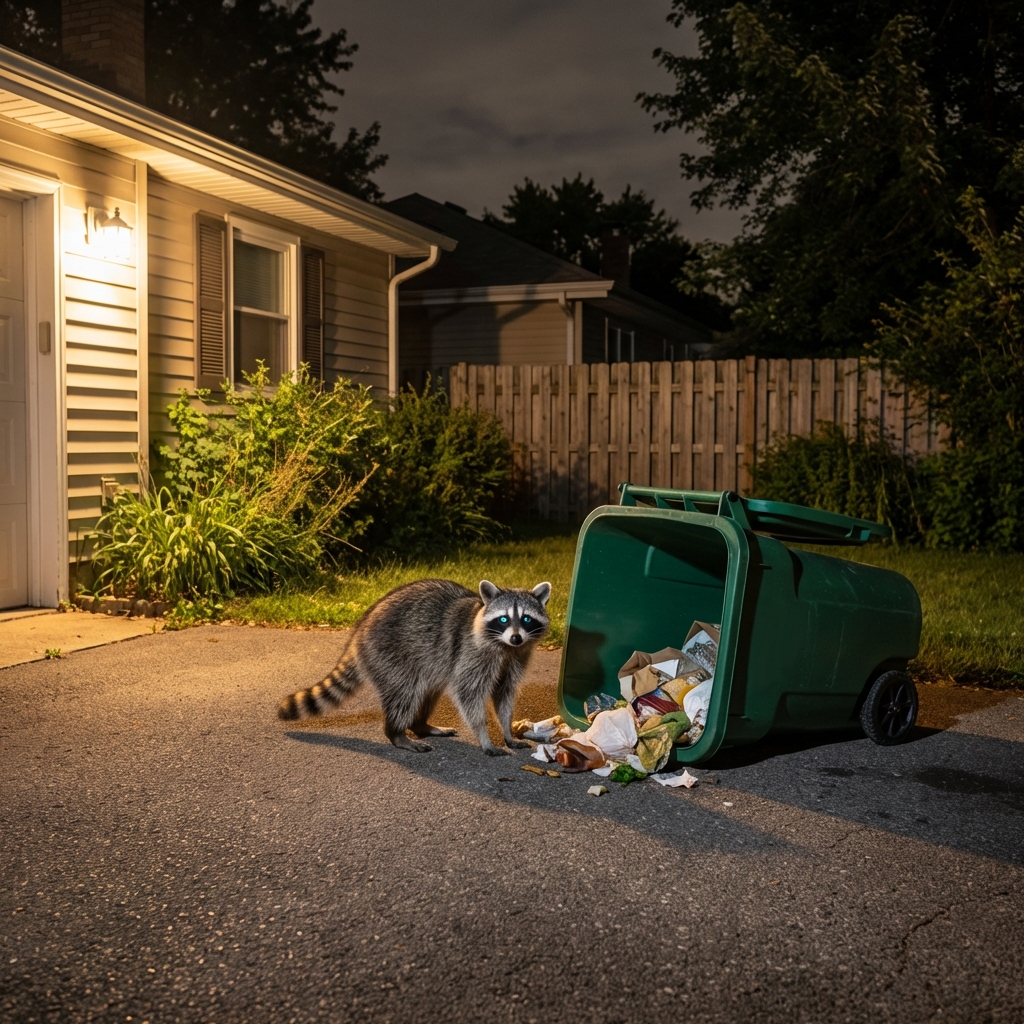
Why raccoons keep coming back
Raccoons do not visit because they love your garden. They visit because your yard offers one or more of these:
- Easy calories: unsecured trash, pet food, bird seed, compost, fallen fruit, grubs, chicken feed.
- Easy water: pet bowls, leaky hoses, ponds with shallow edges.
- Easy shelter: open crawlspaces, attic access, sheds, decks, chimneys.
- Low risk: quiet nights, no barriers, predictable routines.
If you only use a repellent but leave the buffet out, you will likely be doing this again next week.
Start here: remove the attractants
Lock down trash the right way
Many backyard raccoon conflicts start at the garbage can. The fix is not “heavier lids.” It is latching and timing.
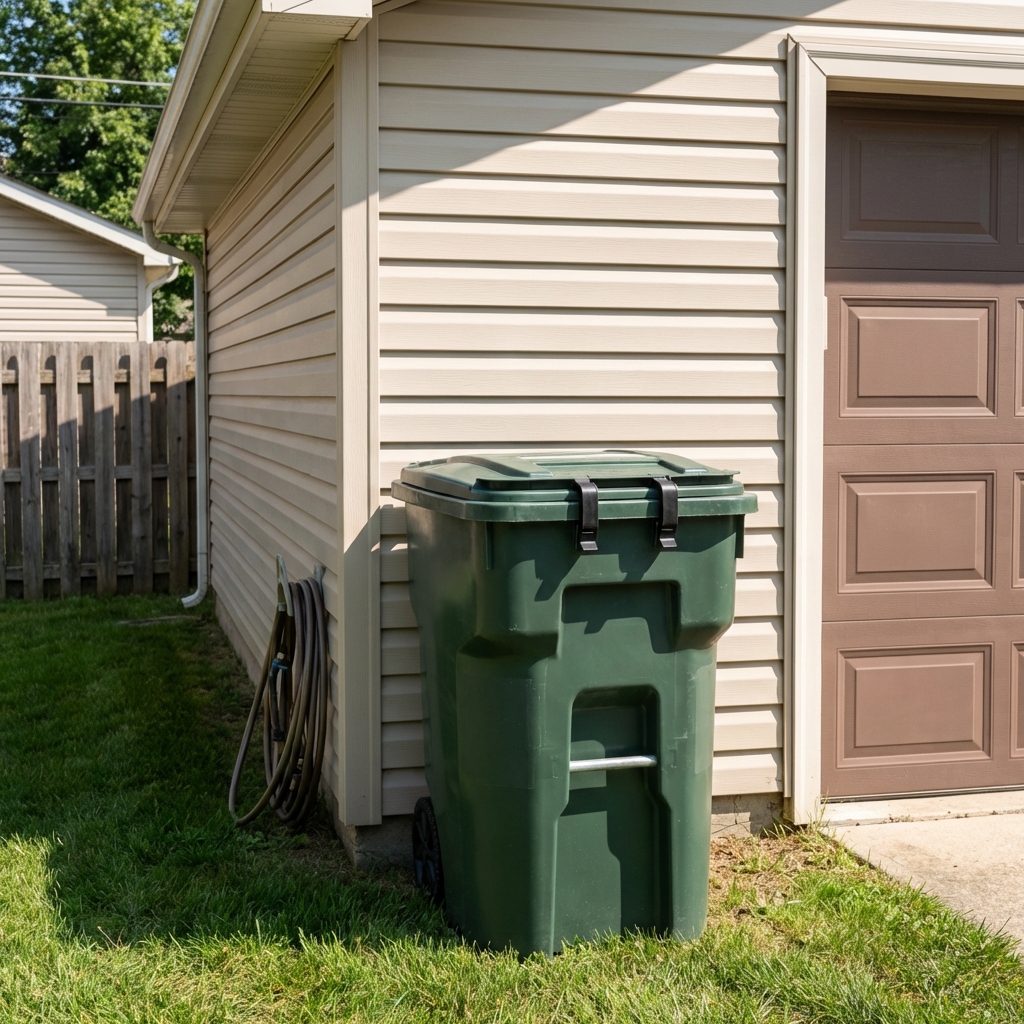
- Use a raccoon-resistant can or add a strap and buckle or a locking lid.
- Set trash out in the morning, not the night before pickup.
- Rinse smelly containers (meat trays, fish packaging) and bag them.
- Freeze scraps (like meat and seafood) until trash day if smell is a big trigger in your area.
Stop feeding pets outdoors
If you feed cats, dogs, or barn animals outdoors, raccoons will find it.
- Feed pets indoors when possible.
- If you must feed outside, put food out only while the animal is eating, then remove bowls.
- Store feed in a sealed metal bin with a tight lid.
Bird feeders: the hidden raccoon magnet
Bird seed on the ground is basically a raccoon dinner bell.
- Bring feeders in at night.
- Use a seed catch tray and clean spills.
- Switch to less messy seed and avoid scattering feed.
Compost and fallen fruit
Compost is fine. “Open buffet compost” is the problem.
- Use a closed bin with a locking lid.
- Avoid adding meat, dairy, grease, or oily cooked foods.
- Pick up fallen fruit daily during peak season.
Health and cleanup safety
Raccoons can leave behind parasites and pathogens. Their droppings, especially in repeated “latrine” spots (decks, attics, rooflines), can carry raccoon roundworm. Take cleanup seriously.
- Avoid dry sweeping or vacuuming droppings. That can stir up particles.
- Wear gloves and consider a well-fitted mask or respirator if you are working in an enclosed area.
- Keep kids and pets away from latrine sites until cleaned.
- If droppings are in an attic, insulation is contaminated, or you are unsure how to clean safely, hire a pro. Many wildlife control companies also offer attic cleanup and restoration.
Exclusion: the humane method that works best long-term
Exclusion is a fancy word for: block access so they cannot get in. This is the most reliable, permanent approach for raccoons in attics, crawlspaces, chimneys, sheds, and under decks.
If raccoons are in your attic or crawlspace
First, assume there may be babies (kits) in spring and early summer. Sealing an entry without checking can create a serious problem fast.
- Find the entry point(s): roof returns, soffits, gable vents, loose fascia boards, uncapped chimneys, damaged crawlspace vents.
- Confirm activity timing: listen at dusk and before dawn, look for tracks, droppings, and rubbed “grease” marks.
- Use a one-way door (exclusion device) so the animal can leave but not re-enter. Use these only when you are confident no dependent young are inside.
- Then repair: use hardware cloth 1/2 inch or smaller, metal flashing, and solid wood repairs. Raccoons can tear weak materials.
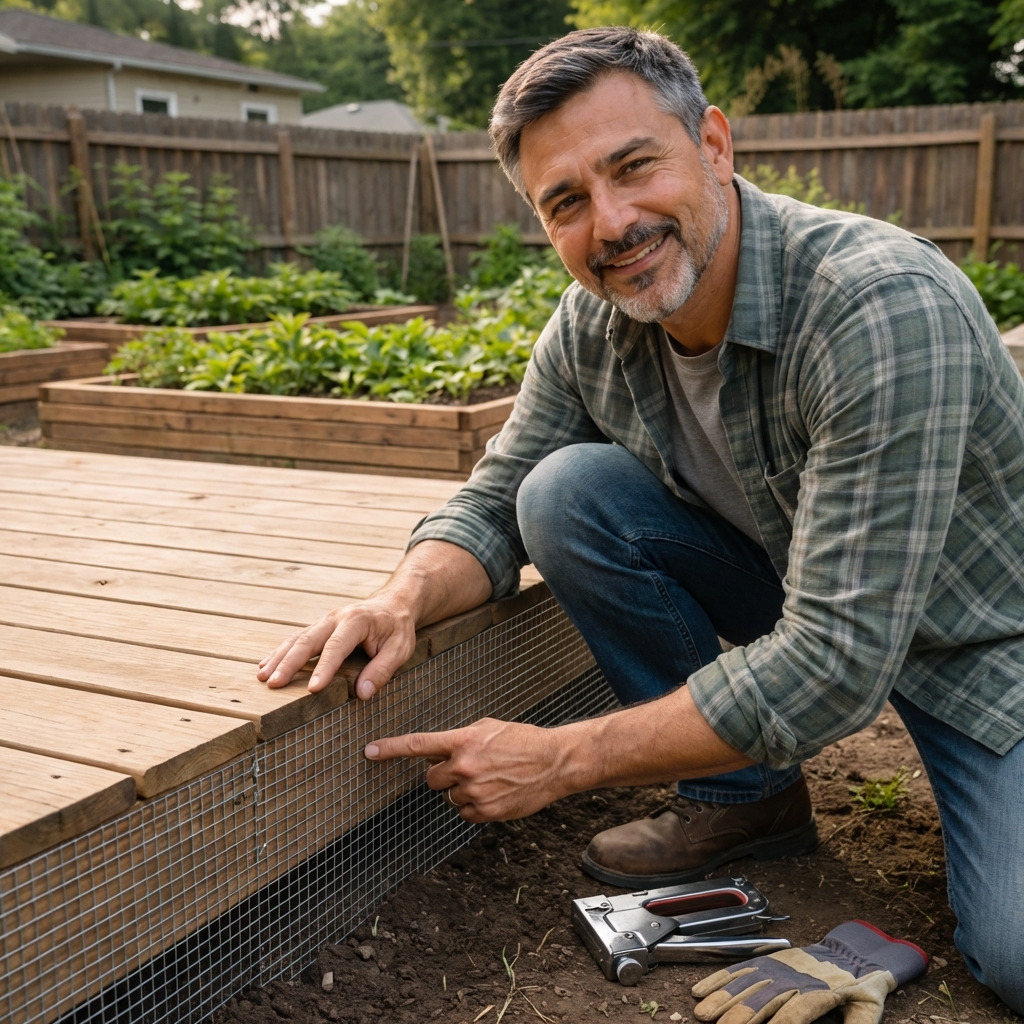
- Fasten it like you mean it: screws with washers or proper fasteners beat staples. Staples can loosen over time.
Chimneys and roof vents
- Install a chimney cap with mesh rated for wildlife, but only after you confirm the chimney is clear.
- Upgrade roof vents to models with built-in pest screening or add metal screening properly secured.
Under decks and sheds
Raccoons love dry, protected spaces.
- Install hardware cloth around the perimeter.
- To stop digging, either bury it 8 to 12 inches deep or use an outward L-footer. An L-footer is often easier and more reliable than deep digging.
- Leave one section open temporarily and use a one-way door if you know something is living underneath.
Important: If you suspect babies, you are not 100 percent sure the animal is out, or you are dealing with extreme heat or cold, call a licensed wildlife control pro who uses humane exclusion. It is usually cheaper than repairing chewed wiring and ruined insulation later.
Humane deterrents that can help
Deterrents work best as a supporting tool while you remove food sources and secure entry points. Used alone, most deterrents fade because raccoons adapt.
Motion-activated sprinklers
These are one of my favorite options for gardens because they create a surprise without harm.
- Place them on the approach route, not just inside the garden.
- Adjust sensitivity so cats and blowing branches do not set it off all night.
- Move the unit every few days so raccoons do not learn the safe path.
Motion lights
Lights help a little, but raccoons often adapt. Pair them with something else like a sprinkler or a physical barrier.
Noise makers and ultrasonic devices
Most of these are unreliable long-term. Ultrasonic units in particular tend to be more marketing than results. If you try one, treat it as temporary and do not expect miracles.
Smell repellents
Strong smells can discourage casual visits, but they wash away and raccoons get bold if food is present.
- Use repellents only where the label allows and reapply after rain.
- Do not use mothballs outdoors. They are toxic and not a legal wildlife control method in many areas.
Protecting a garden from raccoons
Raccoons go after sweet corn, melons, berries, grapes, and anything with irrigation water nearby. They also dig for grubs and can roll back sod like a carpet.
Use fencing that matches raccoon behavior
A short, flimsy fence is basically a raccoon ladder.
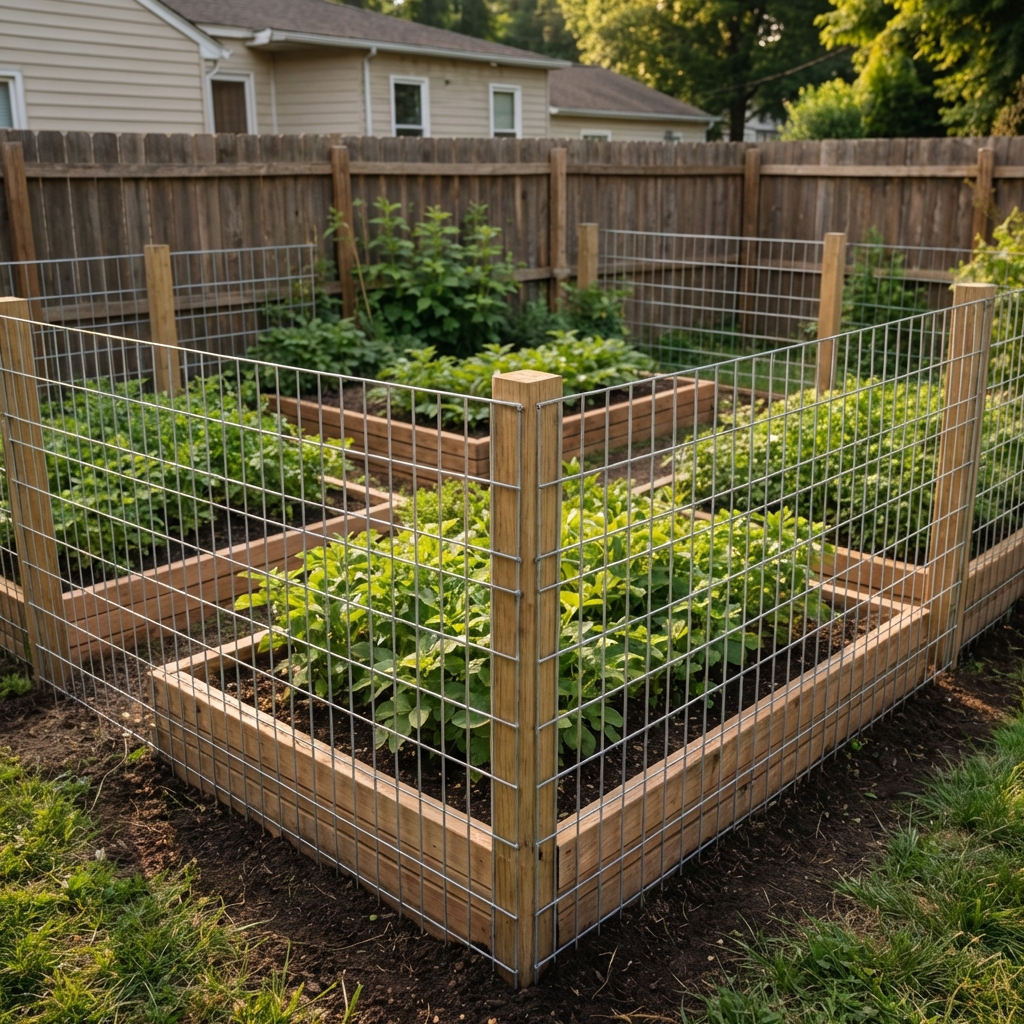
- Height: aim for 4 feet minimum, higher is better.
- Material: welded wire or hardware cloth works better than chicken wire.
- Secure the bottom: bury 6 to 12 inches or use an L-footer to prevent digging.
- Add an electric deterrent if allowed: a single low wire near the top and one near the bottom can be very effective when installed correctly.
Electric fence safety: Follow local codes and manufacturer instructions. Use a proper energizer designed for animals, post warning signs if required, and consider children and pets when choosing placement and timing.
Netting for fruit
Netting can work, but it must be tight and secured at the base. Loose netting becomes a tangle, and wildlife can get caught. Choose wildlife-safe netting and check it daily.
Harvest timing
Raccoons often strike right as fruit hits peak ripeness.
- Harvest corn as soon as it is ready.
- Pick melons as they ripen, do not let them sit.
- Clean up dropped fruit every evening.
Trapping and relocation
This is the part most people ask about, and it is also where things get complicated.
- Relocation rules vary widely and are often restricted or illegal without a permit. Check your state, province, or local regulations before doing anything.
- Relocation can have low survival rates due to stress, territory conflicts, and difficulty finding food and shelter.
- Trapping does not fix the root issue if food and shelter remain. Another raccoon may move in.
If a raccoon is inside your home structure or causing damage and you are considering trapping, your best long-term move is to hire a licensed wildlife control operator who focuses on exclusion and follows local laws.
If your lawn is getting torn up
When turf gets peeled back, wildlife is often after grubs. Raccoons do this, but skunks can too. You will get better results if you reduce the food source and tighten up attractants.
- Raccoon damage is often larger sections rolled back, sometimes near edges or where soil stays moist.
- Skunk damage is often smaller cone-shaped holes and lots of little divots.
- Confirm grubs first by peeling back a small patch of sod and counting. A few grubs is normal.
- Use beneficial nematodes at the right time of year for your region.
- Keep the lawn less inviting by avoiding overwatering at night.
If you want a quick sanity check: if your lawn looks like it was “rolled back” overnight, it is usually wildlife foraging, not random vandalism.
Scare tactics that help in the moment
If you catch a raccoon in the yard, you can scare it off without harm. The key is consistency so the yard stops feeling safe.
- Make noise: clap, shout, bang a pot.
- Spray with a hose if you can do it safely.
- Do not corner it. Give it a clear escape route.
- Never approach if it is acting strangely (staggering, unusually aggressive, out in daytime and disoriented). Call animal control.
A simple long-term plan
- Tonight: bring in pet food, secure trash, remove fallen fruit, bring in bird feeders.
- This week: set up motion sprinklers where they approach and inspect for entry points.
- Next: exclude and repair. One-way door first, then permanent sealing with metal or hardware cloth.
- Ongoing: keep the yard boring with clean habits and seasonal checks (especially after storms).
If you do these in order, you usually do not need to escalate beyond exclusion and basic deterrents.
When to call a pro
Call a licensed wildlife control professional if:
- Raccoons are in your attic, chimney, or walls.
- You suspect babies.
- You cannot safely access the roofline or crawlspace.
- There is repeated property damage, contamination, or you see signs of illness.
A good pro will talk about exclusion, not just trapping. Ask what repairs are included, what materials they use, and whether they offer a warranty on the seal-up work.
Quick FAQ
Do raccoons come back after you scare them off?
Yes, if the food and shelter are still there. Scare tactics are temporary. Exclusion and sanitation are what stop repeat visits.
Will ammonia or bleach keep raccoons away?
Strong smells may deter briefly, but they are not reliable and can be unsafe. Focus on removing attractants and blocking access.
Is electric fencing safe for raccoons?
When installed correctly and allowed in your area, electric fencing can be a humane and effective deterrent. Use the right equipment, follow local rules, and plan for kids and pets.
The bottom line
If you want humane results that last, skip the gimmicks. Remove the food, block the shelter, and add a little surprise (like a motion sprinkler) while you tighten things up.
Once your yard stops paying out, raccoons usually move on to the next easy option. That is the goal.

Jose Brito
I’m Jose Britto, the writer behind Green Beans N More. I share practical, down-to-earth gardening advice for home growers—whether you’re starting your first raised bed, troubleshooting pests, improving soil, or figuring out what to plant next. My focus is simple: clear tips you can actually use, realistic expectations, and methods that work in real backyards (not just in perfect conditions). If you like straightforward guidance and learning as you go, you’re in the right place.