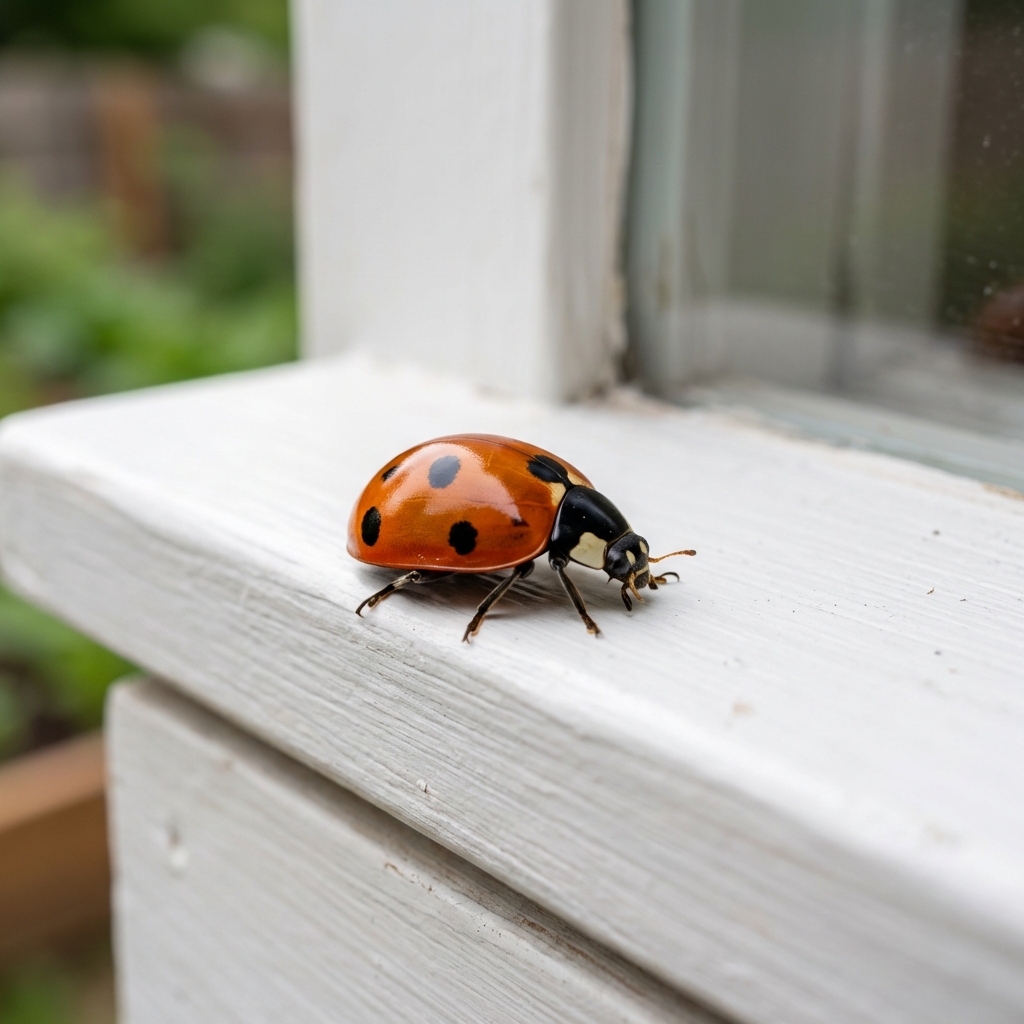
First, a quick clarity check. Most people calling them “Asian ladybugs” are dealing with Asian lady beetles (Harmonia axyridis). They look like ladybugs, but they behave differently around homes, especially in fall when they gather on sunny walls and slip indoors to overwinter.
The good news is you can handle them without turning your house into a pesticide zone. The eco-friendly approach is all about blocking entry, removing the ones inside, and reducing what draws them in.
Why Asian lady beetles invade homes
These beetles are beneficial in the garden because they eat aphids and other soft-bodied pests. The problem is their seasonal behavior.
- Fall triggers overwintering: As nights cool, they look for protected cracks and wall voids.
- Warm, sunlit walls draw them in: South and west sides often get the heaviest clustering.
- They leave odors when disturbed: When handled or crushed, they can “reflex-bleed” a yellowish fluid with a strong smell that can stain and may contribute to repeated clustering in the same areas over time.
Asian lady beetle vs. ladybug (quick ID)
If you are deciding how aggressive to be with prevention, it helps to confirm what you have.
- Common giveaway: Many Asian lady beetles have a pale “M” or “W” marking on the pronotum (the shield behind the head).
- Color varies: They can be orange, red, or tan, with many spots, few spots, or none.
- Behavior: Asian lady beetles are more likely to swarm houses and may bite (they do not sting, but the nibble can surprise you).
If you are unsure, treat them as Asian lady beetles for home control, since the methods below are low-tox and focus on exclusion.
What not to do (it backfires)
- Do not crush them: It can stain paint, curtains, and walls, and the odor can linger.
- Avoid indoor pesticide foggers: They rarely solve the problem because beetles hide in wall voids, and you end up with unnecessary chemical exposure.
- Skip sticky traps on painted walls: Adhesives can pull paint and leave residue.
Fast, eco-friendly removal (indoors)
1) Vacuum them the right way
This is the quickest, least messy option.
- Use a vacuum with a hose attachment.
- If you use a bagless vacuum, empty it immediately outdoors.
- To reduce odor, put 1 to 2 teaspoons of baking soda in the canister or bag (simple, surprisingly helpful).
Disposal tip: To prevent escapes (and cut down on smell), dump the contents into a bucket of warm, soapy water outside, or seal the debris in a bag before tossing. Some people also freeze a sealed bag overnight before disposal.
Pro tip: If the smell lingers in the vacuum, run it briefly with a small amount of dry baking soda in the canister, then empty again outside.

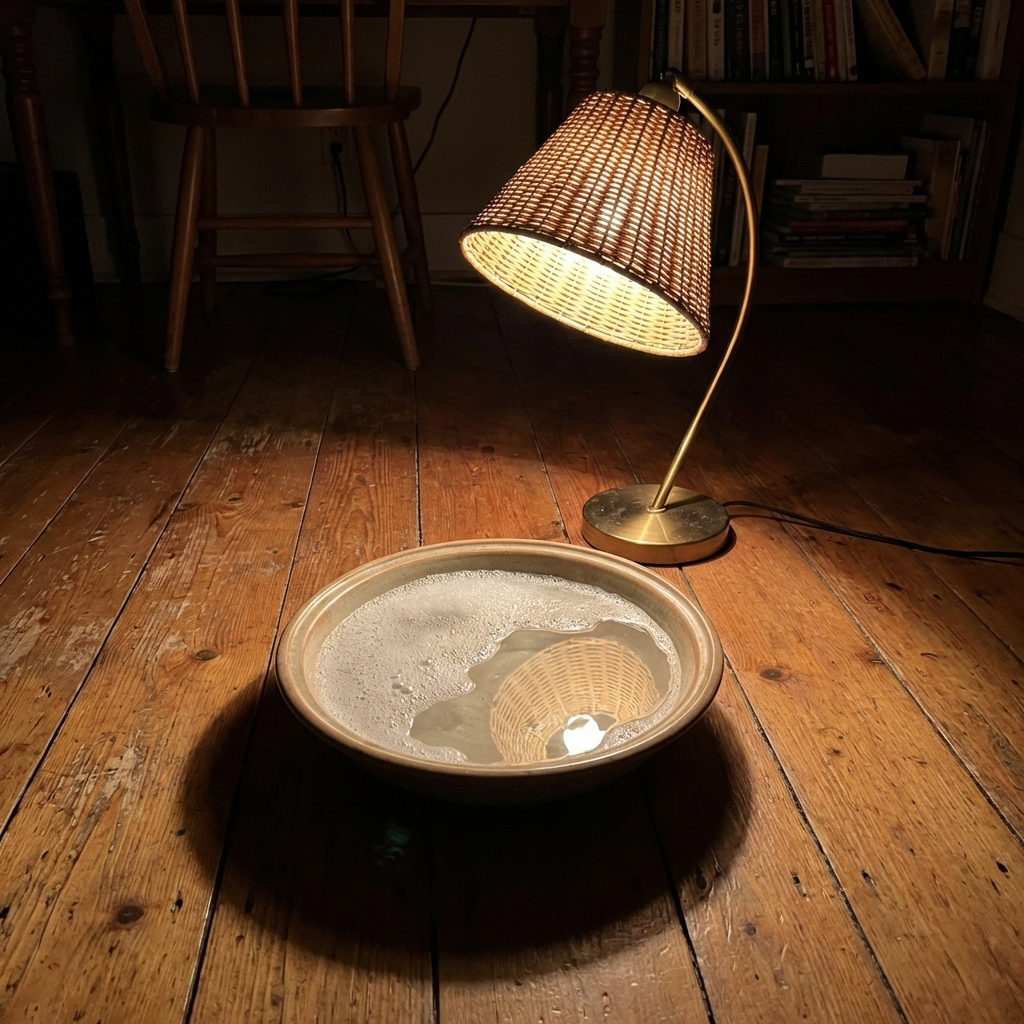
2) Make a simple light trap for nighttime
Asian lady beetles will respond to light, even though the bigger driver for home invasions is usually warm, sunlit exterior walls plus entry gaps. A light trap can still help indoors, especially when you have a steady trickle.
- In a dark room, place a lamp shining down toward a shallow bowl.
- Fill the bowl with water plus a small squirt of dish soap.
- Leave it overnight near where beetles gather (windows, corners, near lamps).
The soap breaks surface tension so they sink. This is low-tox, low-effort, and works best as a steady clean-up tool, not an instant fix for a full-on swarm.
3) Sweep and collect, then release or dispose
If vacuuming is not an option, sweep them gently into a container.
- Use a soft broom or a dustpan.
- Move them outside away from the house.
- If you are disposing, seal them in a bag first to avoid odor and mess.
Eco-friendly prevention that stops swarms
Prevention is where you win. If you only remove beetles but do not seal entry points, you will be doing the same cleanup again next week.
1) Seal entry points (best long-term fix)
Focus on the warm sides of the home and anything near attic spaces.
- Caulk around window and door frames, siding gaps, and trim joints.
- Replace worn weatherstripping and add a door sweep.
- Screen or cap vents (attic, soffit, dryer vents) with appropriate mesh that still allows airflow.
- Repair torn window screens.
Timing: Late summer into early fall is ideal, before they start looking for overwintering spots. If they are already inside wall voids, sealing everything mid-swarm can sometimes lead to beetles showing up indoors from trapped areas. When in doubt, prioritize exterior sealing early, and use indoor removal to manage any stragglers.

2) Reduce what draws them to your house
- Turn off unnecessary exterior lights at night during peak season, or switch to warmer bulbs that can reduce insect attraction.
- Close curtains at dusk if they are clustering around windows.
- Limit bright indoor lighting near problem windows in the evening.
3) Use exterior, low-impact deterrents (selectively)
If you have heavy clustering on one wall every year, you can discourage them outdoors before they get inside. The goal is not to spray the whole yard. It is to target the surfaces where they congregate.
- Hose them off: A firm stream of water can knock clusters down, especially on warm afternoons when they are active.
- Soapy water spot treatment: A mild solution can reduce clinging on siding. Test a small area first to avoid spotting.
- Essential oil caution: Some people use peppermint or citrus scents as deterrents. These can help in small indoor areas, but they are not a magic barrier. Avoid using essential oils around cats, and check with a vet if you are unsure about pet safety.
If you have pets, small children, or sensitive plants near the application area, stick to sealing plus physical removal as your main plan.
What about diatomaceous earth?
Diatomaceous earth (often sold as “food grade”) can work as a mechanical insect control, but it is not always the best choice indoors because it is a fine dust.
- Use it only in dry, hidden gaps where beetles travel (behind baseboards, in cracks), not on open surfaces.
- Avoid breathing the dust. “Food grade” does not mean inhalation-safe. Wear a mask during application.
- Keep it away from areas where pets and kids play.
If you want the most eco-friendly, low-risk approach, focus first on vacuuming and sealing. Those two steps solve most home invasions.
Getting them off curtains, screens, and windows
- On curtains: Vacuum with a brush attachment on low suction. Do not crush.
- On window screens: Use a gentle hose spray outdoors or vacuum from the inside.
- On painted walls: Vacuum or use a soft container-and-paper method: slide a piece of paper under them and tip them into a cup.
If you see yellow staining, clean it quickly with mild soap and water. Test a small hidden spot first on painted finishes.
Common look-alikes (quick check)
Not everything that “swarms the windows” is an Asian lady beetle. Two common mix-ups:
- Stink bugs: Larger, shield-shaped insects that smell when disturbed.
- Cluster flies: Fly-like, slower moving, often found around attics and upper windows.
The control strategy is still similar: seal entry points, remove what is indoors, and avoid relying on indoor foggers.
Keep them out next year (simple checklist)
Late summer
- Inspect screens, vent covers, and weatherstripping.
- Caulk gaps around windows, doors, siding joints, and utility penetrations.
Early fall
- Reduce night lighting near problem areas.
- Watch sunny south and west walls for early clustering.
During peak swarms
- Vacuum indoors as needed.
- Run a light trap in the worst room at night.
- Hose off exterior clusters on warm afternoons.
When to call a pro
If beetles are pouring in from a wall void, attic, or a hard-to-reach soffit, you may need help finding and sealing the main entry points. A good pest professional can focus on exclusion and targeted exterior treatment if needed, instead of routine indoor spraying.
Quick FAQ
Do Asian lady beetles harm plants?
Usually, no. They are mostly predators of aphids. The main issue is nuisance swarming and indoor overwintering.
Can they bite?
Yes, they can pinch or nibble. It is not dangerous for most people, but it is unpleasant.
Will they die off on their own indoors?
Some will, but you can end up with dead beetles in light fixtures, window tracks, and wall voids. Removal plus sealing is cleaner.
My go-to plan
If you want the shortest path to results, do this:
- Vacuum daily for a few days when you first notice them.
- Set a light trap at night in the worst room.
- Seal gaps around windows, doors, and vents as soon as you can, ideally from the exterior and before peak season.
That combo is eco-friendly, affordable, and it works in normal homes without going overboard.

Jose Brito
I’m Jose Britto, the writer behind Green Beans N More. I share practical, down-to-earth gardening advice for home growers—whether you’re starting your first raised bed, troubleshooting pests, improving soil, or figuring out what to plant next. My focus is simple: clear tips you can actually use, realistic expectations, and methods that work in real backyards (not just in perfect conditions). If you like straightforward guidance and learning as you go, you’re in the right place.