Fleas are one of those problems that can make a normal week feel like a full-time job. And the internet is packed with “one weird trick” remedies that sound good but do not always match how fleas really behave.
Here’s the plain truth: most home remedies only help if they hit the flea life cycle. Adult fleas are only part of the problem. The bulk of an infestation is usually eggs, larvae, and pupae hiding in carpets, cracks, pet bedding, and dusty corners.
Know the enemy: the flea life cycle
If you remember one thing, make it this: fleas come back because you missed their next generation.
- Adults live on the pet and feed on blood. These are the ones you see.
- Eggs fall off into carpets, couch cushions, bedding, and floor cracks.
- Larvae hide in dark, dusty areas and feed on organic debris.
- Pupae are protected in cocoons and can wait weeks, and sometimes longer, to emerge depending on conditions and how much “host activity” they sense.
That last part is why “I treated once and they came back” is so common. A good plan is less about one big hit and more about steady pressure for several weeks, often 3 to 8, depending on severity, home conditions, and what you use.
Home remedies that actually help
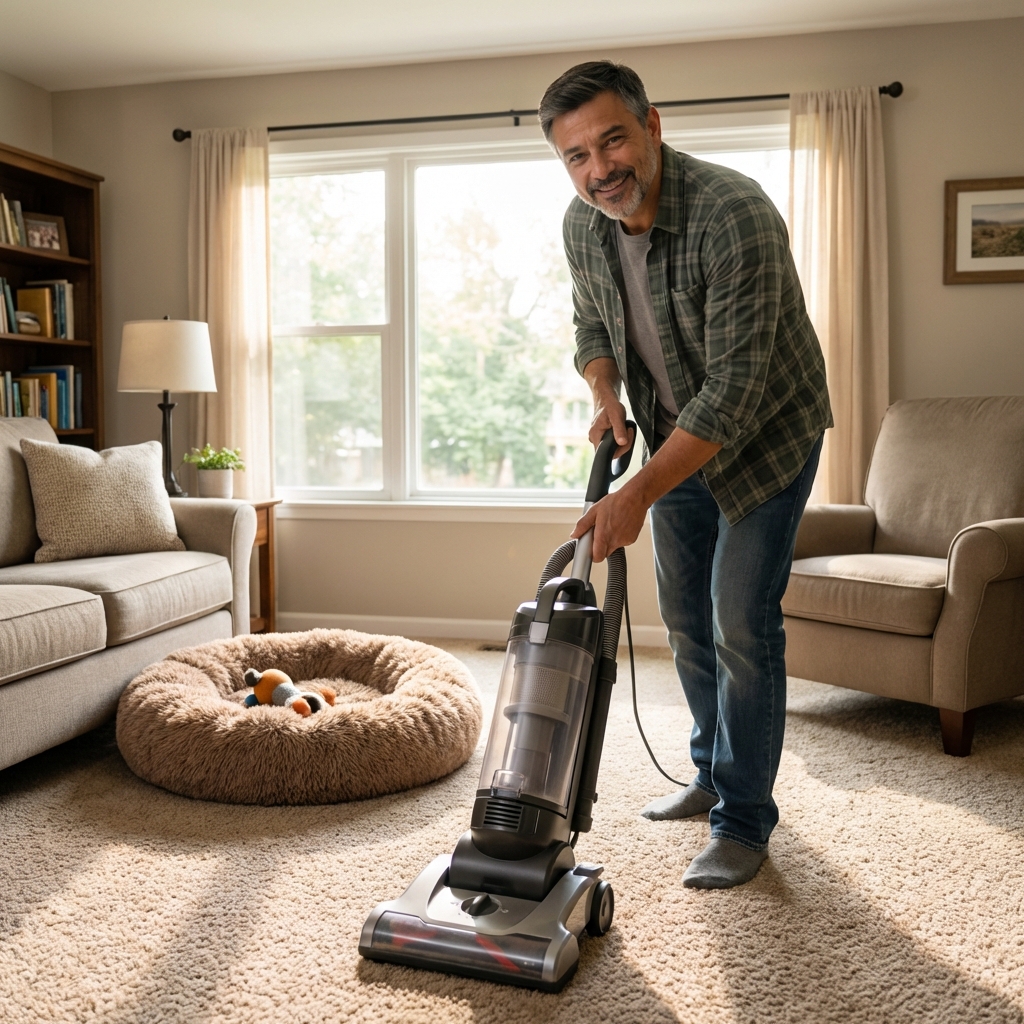
1) Vacuuming, consistently
This is the most boring tool and the most reliable. Vacuuming can pick up some eggs and larvae, and the vibration and movement may encourage pupae to emerge so the new adults can be removed or killed by other measures.
- Vacuum carpets, rugs, and upholstery daily for at least 10 to 14 days during an active problem.
- Hit baseboards, under furniture, pet hangout spots, and the edges of rugs.
- Empty the canister outside, or seal the bag in a trash bag and remove it right away.
- Housekeeping tip: clean or replace filters as recommended. A clogged filter reduces suction and performance.
Realistic expectation: Vacuuming reduces the population, but it will not reliably remove every stage. It works best paired with hot laundry and treating the pet.
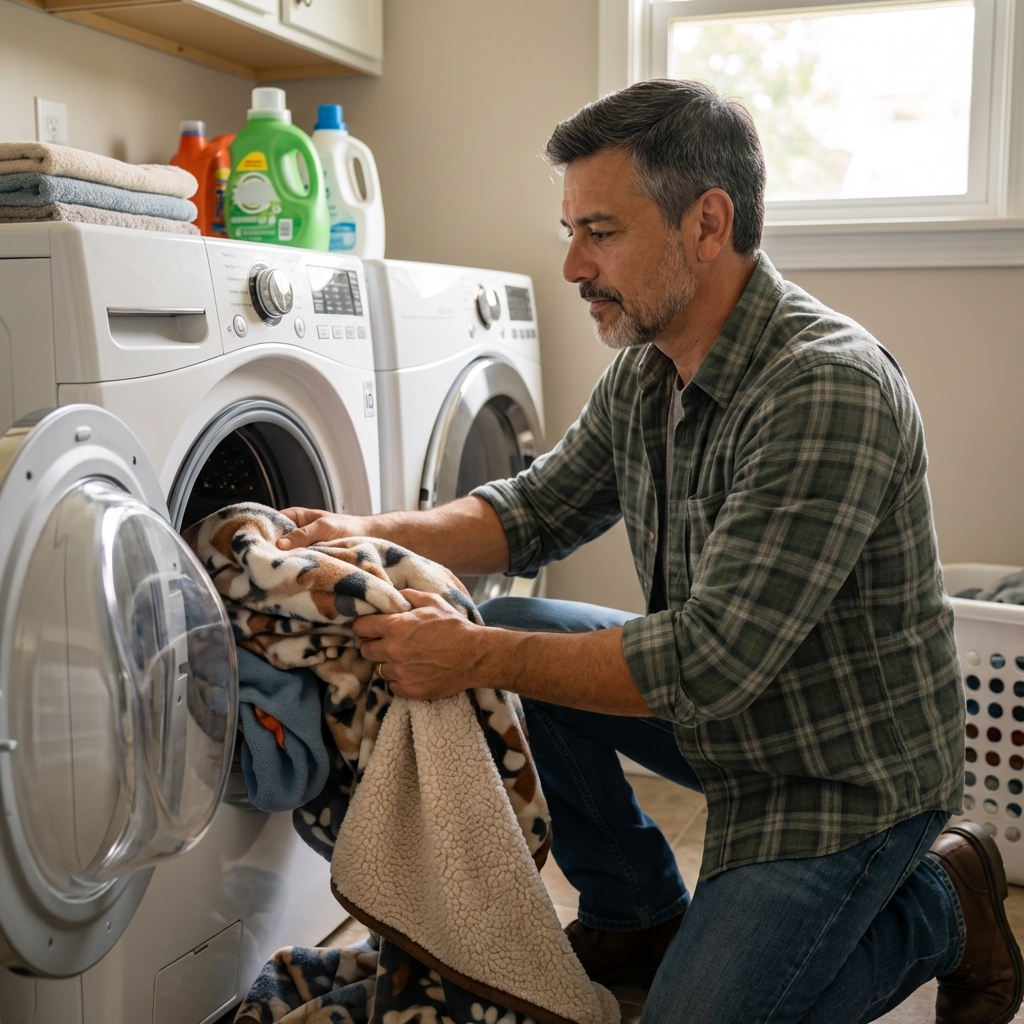
2) Hot washing and high-heat drying
Heat is one of the few “natural” tools that can kill multiple flea stages when used correctly.
- Wash pet bedding, throw blankets, and slipcovers in hot water when fabric allows.
- Dry thoroughly on the highest heat safe for the fabric. Time varies with dryer heat and load size, so focus on getting items fully hot and fully dry.
- Repeat weekly during a flare-up.
3) Flea combing
A flea comb is not glamorous, but it is immediate feedback. You can physically remove adult fleas and flea dirt (the black pepper-like specks).
- Comb over a white paper towel so you can see what you are pulling off.
- Dunk the comb in a cup of warm soapy water to kill fleas.
- Focus on the neck, base of tail, belly, and behind the ears.
Realistic expectation: Combing helps reduce adults, but it does not touch the eggs, larvae, and pupae in your home.
4) Dish soap trap (monitoring, not a cure)
A shallow dish of water with a drop of dish soap near a small light can catch some jumping insects at night, including fleas. The soap breaks surface tension so they sink. Catch rates vary, so think of it as a signal, not a solution.
- Place near pet sleeping areas or where you are getting bitten.
- Use it to confirm activity and track whether your efforts are working.
Realistic expectation: This is a helper and a monitor. It is not a full fix.
Home remedies that sometimes help
Diatomaceous earth (food grade), used carefully
Diatomaceous earth (DE) can dry out insects, including fleas, when it stays dry and makes contact with them. In real homes, it often underperforms because the layer is too thick, gets damp, or never reaches larvae where they are hiding.
- Use food grade only.
- Apply a very light dusting to cracks, under rugs, and along baseboards.
- Keep kids and pets out of the area while you apply it, and avoid places where pets will lie down and then lick or groom heavily.
- Leave for 24 to 48 hours, then vacuum thoroughly.
Important: DE is a dust. “Food grade” does not make it safe to breathe. Avoid inhalation, do not create clouds, and skip it entirely if anyone in the home has asthma or respiratory issues.
Salt on carpets
People use salt for the same drying-effect idea as DE. It is not very reliable and it can be messy. In humid climates it can clump, and it does not solve the root issue if the pet keeps bringing fleas back in.
What does not work (or is not worth it)
Apple cider vinegar as a spray
Vinegar might make your home smell like a salad, but it does not reliably kill fleas in carpets or on pets at safe concentrations. The life stages you need to target are protected.
Essential oils on pets
This one needs to be said clearly. Many essential oils can be harmful to pets, especially cats. Tea tree oil, peppermint, clove, eucalyptus, and citrus oils are common examples that can cause serious reactions depending on dose and exposure.
If you want a “natural” path, stick to mechanical control (vacuum, wash, comb) and talk to a veterinarian about safer options.
Garlic or supplements to “repel fleas”
These are unreliable, and some are risky. Garlic can be toxic to dogs and cats and can cause anemia (including Heinz body hemolysis). Skip it.
Homemade flea shampoo as the main plan
A bath can remove some adult fleas today, but it does nothing to eggs and pupae in your house. Without follow-up, you are right back where you started.
You must treat the pet too
If your dog or cat is not protected, the home will keep getting re-seeded with new adult fleas. Home cleaning helps, but it cannot outwork an untreated pet.
I am not a vet, but here is the practical takeaway: talk to your veterinarian about an effective flea control option appropriate for your pet’s species, age, weight, and health. Be careful with over-the-counter products. Some are ineffective, and some can be dangerous if misused. Never use a dog flea product on a cat.
Many modern treatments work by killing adults before they lay eggs, which is exactly what you need to break the cycle.

If cleaning is not enough
Some infestations need more than cleaning. If you want to stay in “DIY mode” but level up, consider products that include an insect growth regulator (IGR), such as methoprene or pyriproxyfen. IGRs help stop eggs and larvae from developing into biting adults, which is how you get ahead of the next wave.
Safety note: Follow label directions exactly, use pet-safe products, ventilate as directed, and keep pets and kids away until the product is fully dry. When in doubt, ask your veterinarian or a licensed pest professional.
A simple 14-day home plan
If you are overwhelmed, do this. Consistency beats intensity.
- Day 1: Wash and dry all pet bedding on high heat. Vacuum the whole house, especially edges and under furniture. Start pet treatment recommended by your vet.
- Days 2 to 7: Vacuum daily. Comb pets daily. Wash bedding mid-week if pets are heavily infested.
- Days 8 to 14: Vacuum every other day. Keep combing pets. Rewash bedding at the end of week 2.
What you should notice: Fewer bites first, then fewer fleas found in combing, then fewer sightings. Some “late” fleas can still emerge from pupae. That is normal. Stay on schedule, and be prepared to keep pressure on for several weeks if the infestation was heavy.
Outdoor and yard notes
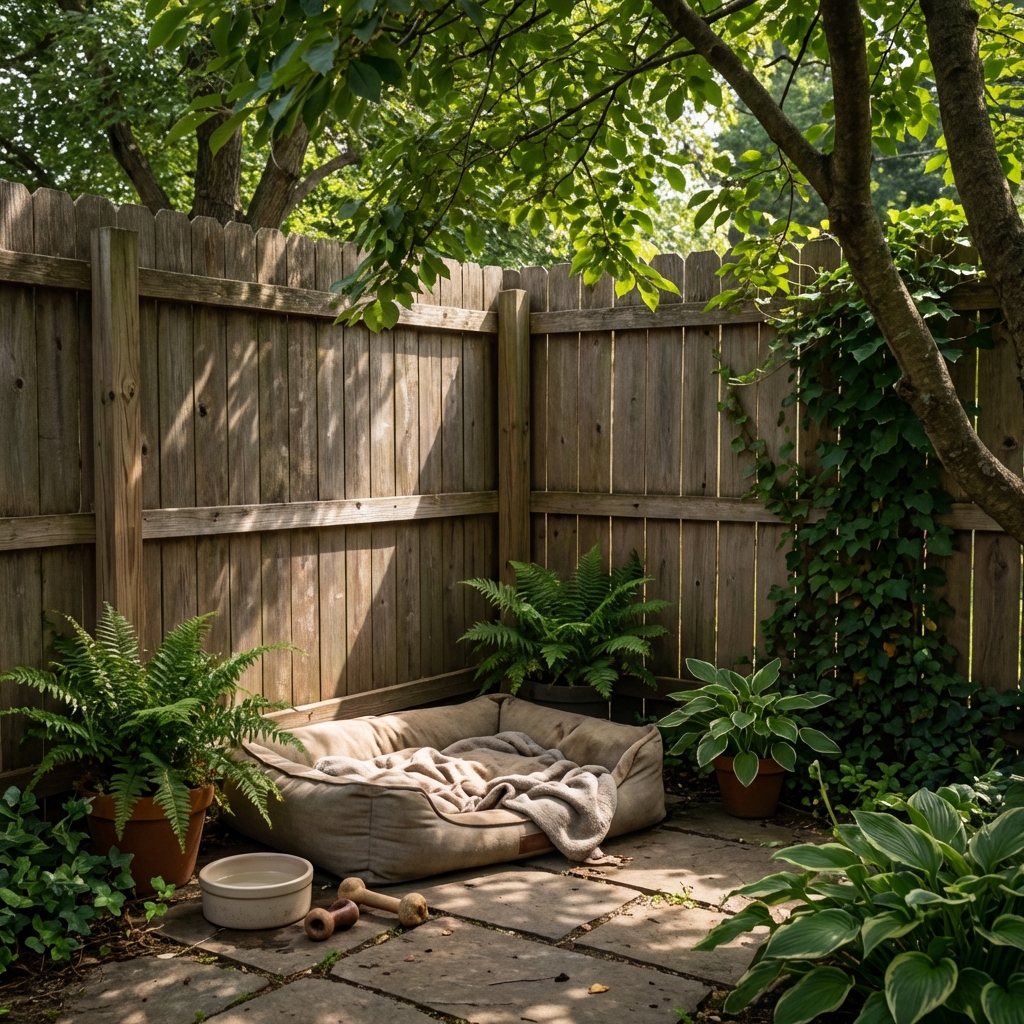
Most flea problems are built indoors, but yards can contribute, especially in shaded, moist spots where pets rest. In many cases, blanket yard spraying is unnecessary. Prioritize pet resting areas and simple habitat cleanup first.
- Rake up leaf litter and keep grass trimmed, especially in shaded areas.
- Wash outdoor pet bedding and clean kennel areas.
- Discourage wildlife that can carry fleas, like raccoons and stray cats, from hanging around pet areas.
When to stop DIY and call in help
If you have done the basics for 2 to 3 weeks and you are still seeing lots of fleas, it is time to level up. Consider professional pest control, especially if:
- There are multiple pets in the home and fleas spread fast.
- You are seeing fleas during the daytime on socks and ankles, which often suggests a heavier infestation.
- You have wall-to-wall carpet and a lot of upholstered furniture.
- Anyone in the home is having strong reactions to bites.
Health note: If bites are causing significant swelling, hives, signs of infection (increasing redness, warmth, pus), fever, or you are worried about a child or immune-compromised person, contact a medical professional.
Bottom line
The home remedies that help most are not exotic. They are the repeatable ones: vacuuming, hot laundry, flea combing, and treating the pet appropriately. Most other DIY tricks either help a little or waste your time.
If you want a realistic goal, aim for steady improvement over several weeks, often 3 to 8, not overnight perfection. Fleas are persistent, but a consistent routine breaks the cycle.

Jose Brito
I’m Jose Britto, the writer behind Green Beans N More. I share practical, down-to-earth gardening advice for home growers—whether you’re starting your first raised bed, troubleshooting pests, improving soil, or figuring out what to plant next. My focus is simple: clear tips you can actually use, realistic expectations, and methods that work in real backyards (not just in perfect conditions). If you like straightforward guidance and learning as you go, you’re in the right place.