Silverfish are one of those pests that make your skin crawl, not because they bite, but because they show up where you store towels, pantry items, books, and clothes. The good news is you can usually handle them without calling a pro if you focus on what actually drives infestations: moisture, hiding spots, and easy food.
This guide keeps it simple. You will confirm what you are dealing with, reduce the conditions they love, trap the ones you have, then lock down your home so they do not come right back.
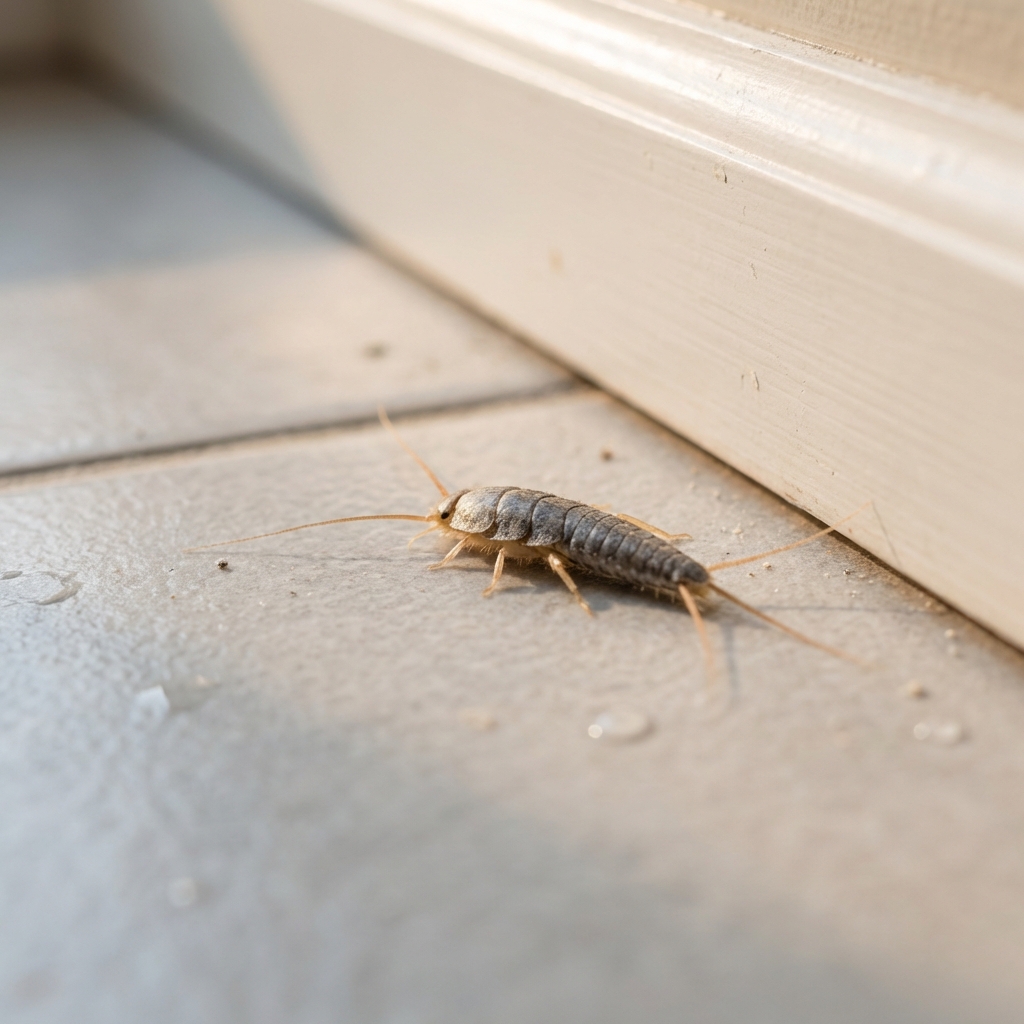
Quick ID: Is it really silverfish?
Correct ID matters because the fix for silverfish is different than the fix for roaches, ants, or carpet beetles.
- What they look like: Small, wingless, silvery gray insects, usually about 1/2 inch long (sometimes closer to 3/4 inch), with a tapered “carrot” shape.
- How they move: Quick, wiggly, fish-like movement.
- Key feature: Two long antennae and three bristles at the tail end.
- Where you see them: Bathrooms, basements, laundry rooms, under sinks, and along baseboards.
If you mostly see tiny fuzzy larvae on fabrics or near windowsills, you may be dealing with carpet beetles instead. Silverfish prefer dark, damp areas and come out at night.
Common look-alike: Firebrats look similar, but prefer warmer areas (near furnaces, water heaters, and hot pipe runs). The control plan is basically the same, but heat plus humidity is a bigger clue with firebrats.
Why silverfish show up in the first place
Silverfish survive on surprisingly little. If your home gives them moisture, shelter, and a steady supply of starchy crumbs and paper dust, they can hang around for months.
What attracts them
- Humidity: They do best when indoor humidity stays high, often around 60%+ relative humidity.
- Food sources: Paper, book bindings, cardboard, wallpaper paste, pantry starches (flour, cereal), pet food, and even skin flakes and hair.
- Clutter and hiding spots: Stacks of boxes, stored papers, rarely moved items under sinks, and cracks along trim.
Translation: you do not just “kill silverfish.” You make your home a bad place for them to live.
Start here: Find the hot spots
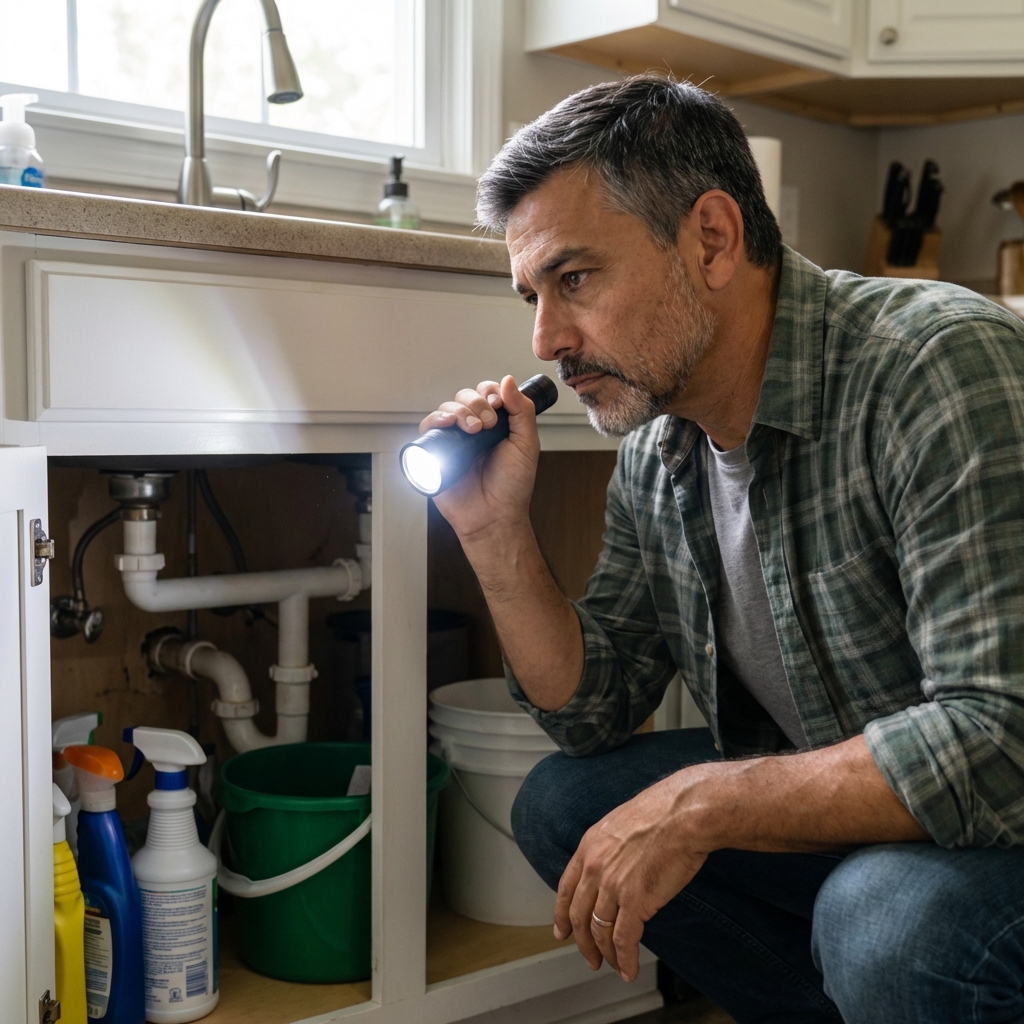
Before you buy anything, do a quick 10-minute inspection. This helps you aim your effort where it matters.
Check these areas first
- Under bathroom and kitchen sinks
- Behind toilets and around tubs and showers
- Basement corners, floor drains, sump areas
- Laundry rooms, especially behind machines
- Pantry corners and behind stored appliances
- Closets that share a wall with plumbing
Tip: At night, flip on the light suddenly. If you see them scatter into cracks or under items, you found a good target zone.
Quick tool that helps: A cheap hygrometer lets you measure humidity instead of guessing. It also tells you if your dehumidifier is actually moving the needle.
The simple DIY plan that works
Use this four-step approach in order. Traps alone can reduce numbers, but moisture and hiding spots are what keep the problem alive.
Step 1: Dry the space (biggest payoff)
- Run a dehumidifier in basements or damp rooms and aim for about 40 to 50% humidity if possible.
- Fix leaks under sinks, around toilets, and at supply lines. Even slow drips matter.
- Improve airflow: Use the bathroom fan during showers and for about 20 minutes after.
- Remove damp materials: Do not store wet towels or bathmats on the floor.
If you do only one thing, do this. Silverfish struggle when conditions are dry.
Step 2: Remove easy food and clutter
- Vacuum baseboards, corners, and under appliances. Use the crevice tool.
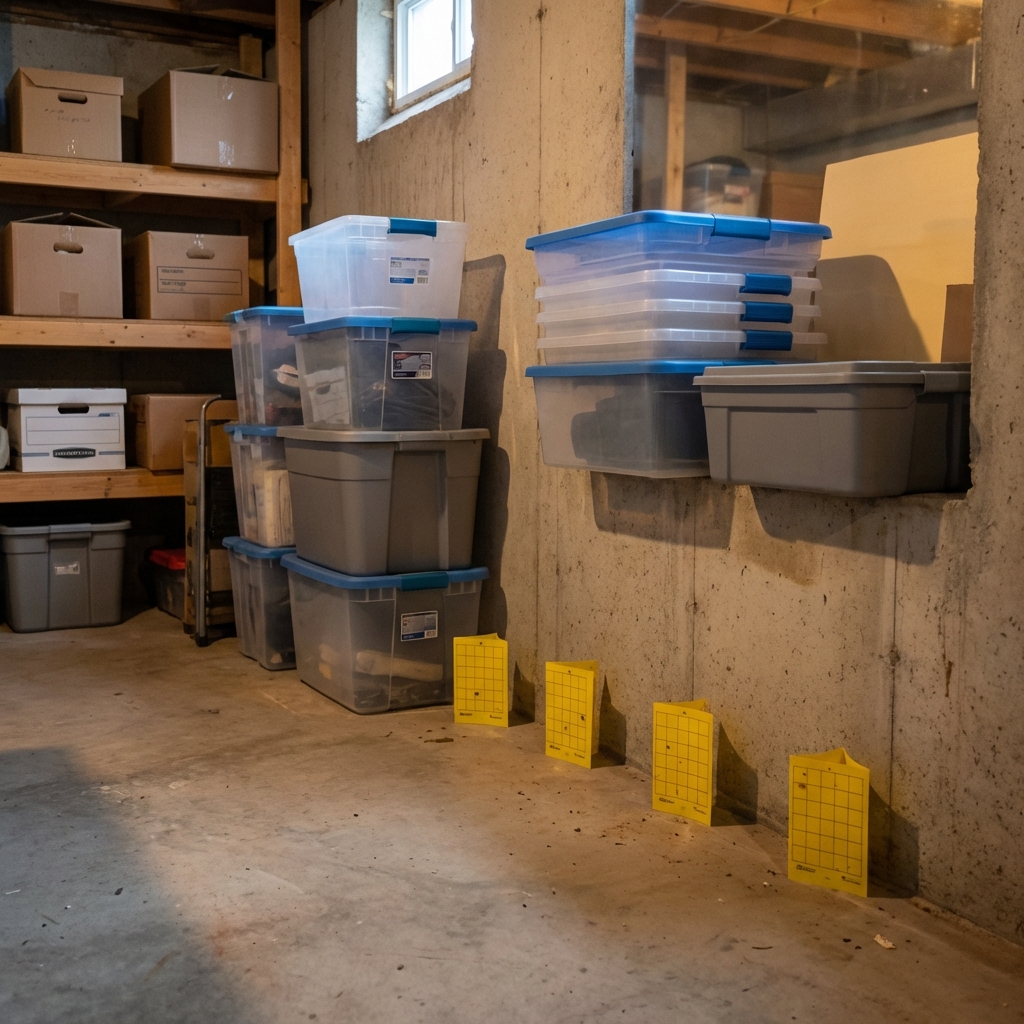
- Reduce cardboard storage. Swap to plastic bins with tight lids.
- Store pantry staples in sealed containers, especially flour, oats, cereal, and pet food.
- Recycle old papers and magazines you do not need.
Silverfish do not need a big mess. They need a steady trickle of crumbs, paper dust, and hiding places.
Step 3: Trap what is there
Trapping is a simple way to confirm activity and knock down the population. Place traps where you saw silverfish or along walls where they travel.
Option A: Sticky traps (easy and reliable)
- Use store-bought sticky insect traps labeled for crawling insects.
- Place 2 to 6 traps in each hot spot area.
- Check weekly and replace when dusty or full.
Option B: Jar trap (classic DIY)
This works best where they are actively roaming (often along walls), and where the jar will stay dry and not collect condensation.
- Wrap the outside of a glass jar with masking tape so insects can climb up.
- Add 1 tablespoon of flour or oats inside as bait.
- Optional: add a small piece of bread for extra pull.
- Place the jar near a wall. Silverfish climb in and struggle to climb back out.
Option C: Boric acid baiting (use carefully)
Boric acid can be effective, but treat it like a pesticide. It is toxic if ingested. Keep it away from kids and pets and follow the product label.
- Apply a very thin dusting into cracks and crevices, not open surfaces. This is crack-and-crevice treatment, not broad dusting.
- Focus on under-sink voids, behind baseboards, and around pipe penetrations.
- Do not use near food prep surfaces.
Step 4: Seal entry points and hiding cracks
Silverfish squeeze into tiny gaps. Sealing also helps with other pests and reduces damp air movement.
- Caulk gaps along baseboards, around tubs, and where tile meets trim.
- Seal around pipes under sinks using caulk or foam depending on gap size. Use fire-rated products where required.
- Add door sweeps if you have basement doors with visible daylight underneath.

Natural DIY options: What helps and what does not
A lot of silverfish advice online sounds nice but does not hold up well in real homes. Here is the straight version.
Helpful
- Diatomaceous earth (food grade): Works by scratching the insect’s outer layer and drying it out. Apply a light dusting in dry cracks and voids. It is less effective if it gets wet. Even food-grade DE can irritate your lungs, so avoid creating airborne dust and consider wearing a mask during application.
- Decluttering and drying: Not flashy, but it is the difference between short-term relief and long-term control.
Not great on their own
- Essential oils: May repel briefly, but they do not solve an infestation.
- Vinegar sprays: Good cleaner, not a reliable silverfish control method.
- Cedar blocks: Can help with some insects in enclosed spaces, but do not count on it for active silverfish.
What not to do
- Do not overapply dusts. More is not better, and it can create a respiratory mess.
- Do not mix pesticides or cleaners.
- Keep treatments away from kids, pets, and food areas.
Where silverfish hide
If you keep catching them but still spot new ones, you are probably missing their favorite “safe zones.”
- Behind baseboards and trim: Use caulk, then place a trap nearby.
- Under cabinets: Vacuum debris, check for water stains, and trap along the toe-kick.
- Floor drains: Keep drain traps filled with water and clean gunk buildup. If a drain is unused, pour water in weekly.
- Stored linens: Wash, dry thoroughly, and store in a sealed bin if the closet is humid.
- Bookcases and paper storage: Reduce humidity and avoid storing books directly against exterior basement walls.
How long it takes
Expect this to take a little time, especially if your home has a damp basement or older trim with lots of gaps. Results depend on humidity, how widespread the infestation is, and whether there is a hidden leak feeding the problem.
- First week: Many homes see fewer sightings once traps are placed and humidity drops.
- 2 to 4 weeks: Activity usually decreases noticeably if moisture is controlled and food sources are limited.
- 1 to 3 months: A realistic window for longer-term control, including sealing and storage changes.
If you are still catching lots of silverfish after about 4 weeks of drying and trapping, the humidity may still be too high or there may be a hidden leak.
Prevention checklist
- Keep indoor humidity in check, especially in basements.
- Store dry goods in sealed containers and reduce cardboard.
- Fix leaks fast and do not ignore slow drips.
- Vacuum edges and corners regularly, especially behind toilets and under sinks.
- Seal new gaps when you notice them.
When to call a professional
DIY works for most light to moderate silverfish problems. Consider a pro if:
- You have persistent high humidity you cannot control.
- You suspect hidden water damage or a leak inside a wall.
- Silverfish are widespread across multiple floors despite 4 to 6 weeks of consistent steps.
- You have asthma or respiratory sensitivity and prefer not to handle dust-based treatments.
A good pest professional will still focus on moisture and entry points, not just spraying. If the plan is “spray and leave” with no inspection, keep looking.
DIY silverfish FAQ
Do silverfish bite?
No. They do not bite people. The main issues are contamination of stored items and damage to paper, wallpaper paste, and some fabrics.
Are silverfish a sign of a dirty house?
Not necessarily. They are most strongly linked to moisture and hiding spots. A clean home can still get them if humidity is high and there are cracks to hide in.
Can silverfish come from houseplants?
It is possible to see them around damp potting mix, especially in humid rooms, but most indoor silverfish problems are tied to bathrooms, basements, and kitchens. If you are a home grower, focus on not overwatering and avoid leaving saucers full of water.

Jose Brito
I’m Jose Britto, the writer behind Green Beans N More. I share practical, down-to-earth gardening advice for home growers—whether you’re starting your first raised bed, troubleshooting pests, improving soil, or figuring out what to plant next. My focus is simple: clear tips you can actually use, realistic expectations, and methods that work in real backyards (not just in perfect conditions). If you like straightforward guidance and learning as you go, you’re in the right place.