Chigger bites have a special talent for showing up after a great day outside and then keeping you up at night. The good news is you can usually calm the itching with a few gentle, skin-friendly basics you likely already have at home.
Below are the most effective low-effort options, what often helps, and what to skip so you do not accidentally make the irritation worse.
Quick note: This article is for general information and is not a substitute for medical advice.
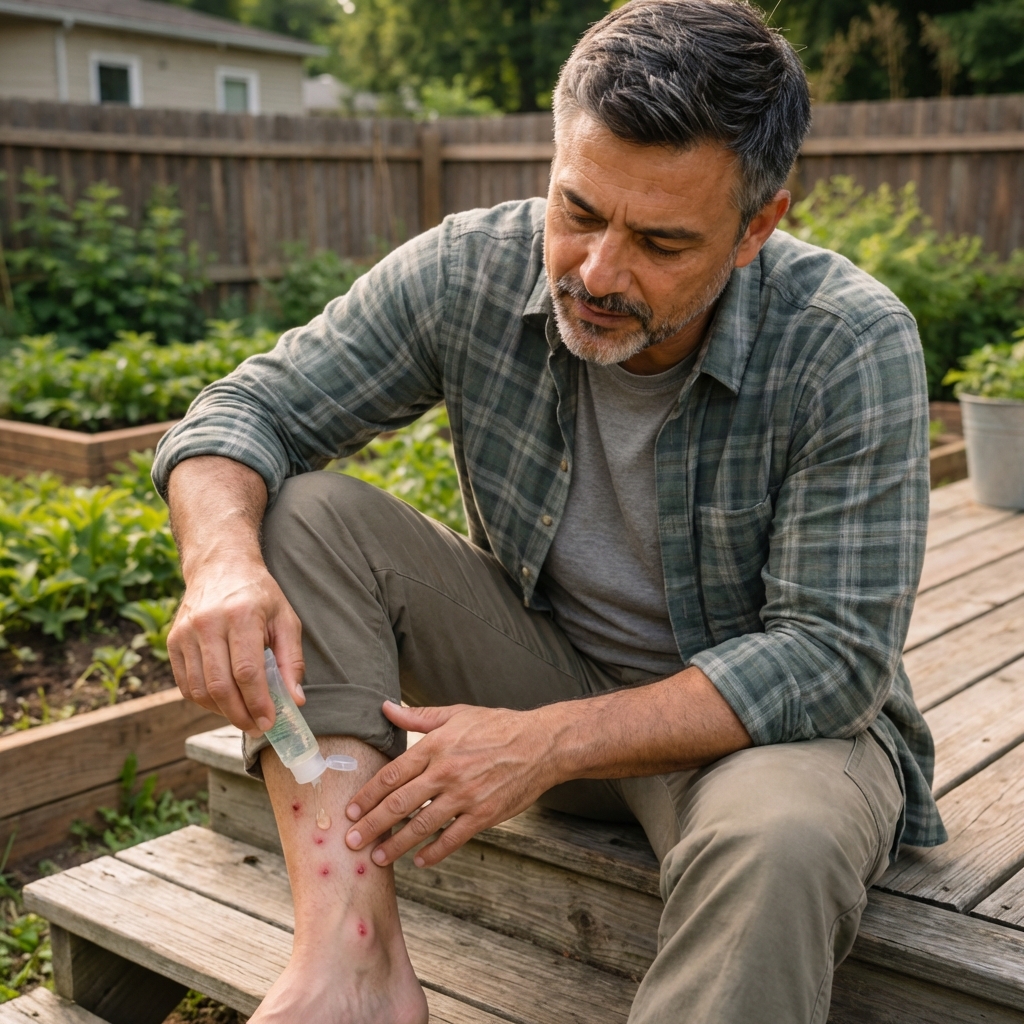
First, a quick reality check
Chiggers are tiny mite larvae that attach to your skin and feed for a short time. They do not burrow into your skin (a very common myth). Instead, they pierce the surface and leave saliva behind, which triggers the itch.
They also often detach before you notice symptoms. Itching can start hours later, and sometimes it shows up the next day, so it can feel like they are still there even when they are not.
So most “treatments” are really about reducing inflammation and itch while your skin settles down.
Do this right away (5 minutes)
1) Shower, then wash the area well
If you were just outside, take a shower as soon as you can. Use warm water and soap, and gently wash areas where bites commonly pop up: ankles, behind knees, waistband, sock lines, and under snug clothing.
Tip: Wash the clothes you wore outdoors in hot water if possible, especially socks and anything tight around your waist.
2) Cool the itch fast
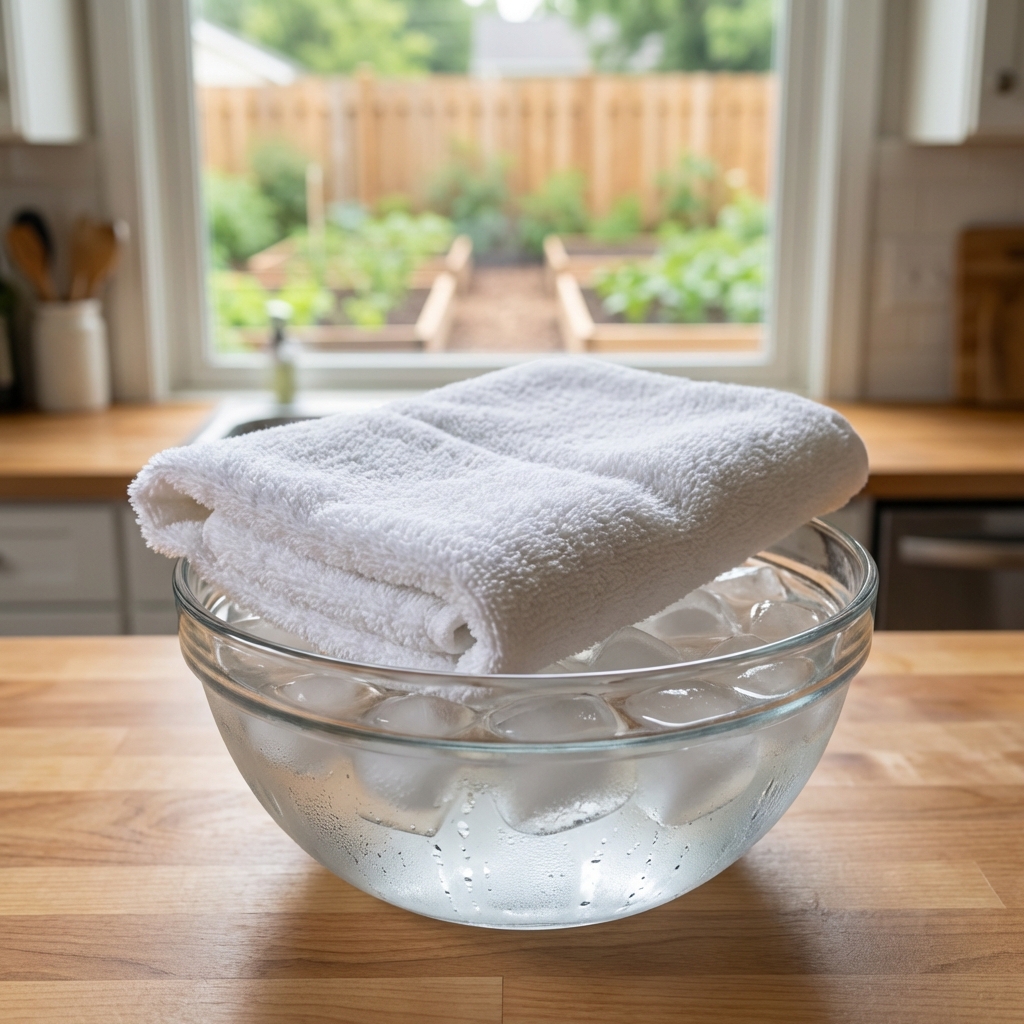
A cool compress can take the edge off quickly.
- Wrap ice or a cold pack in a thin towel (do not put ice directly on skin).
- Hold on the area for 5 to 10 minutes.
- Repeat a few times a day.
Low-effort natural treatments that often help
You do not need to do all of these. Pick one or two that fit your house and your skin sensitivity.
Colloidal oatmeal soak (best for widespread itching)
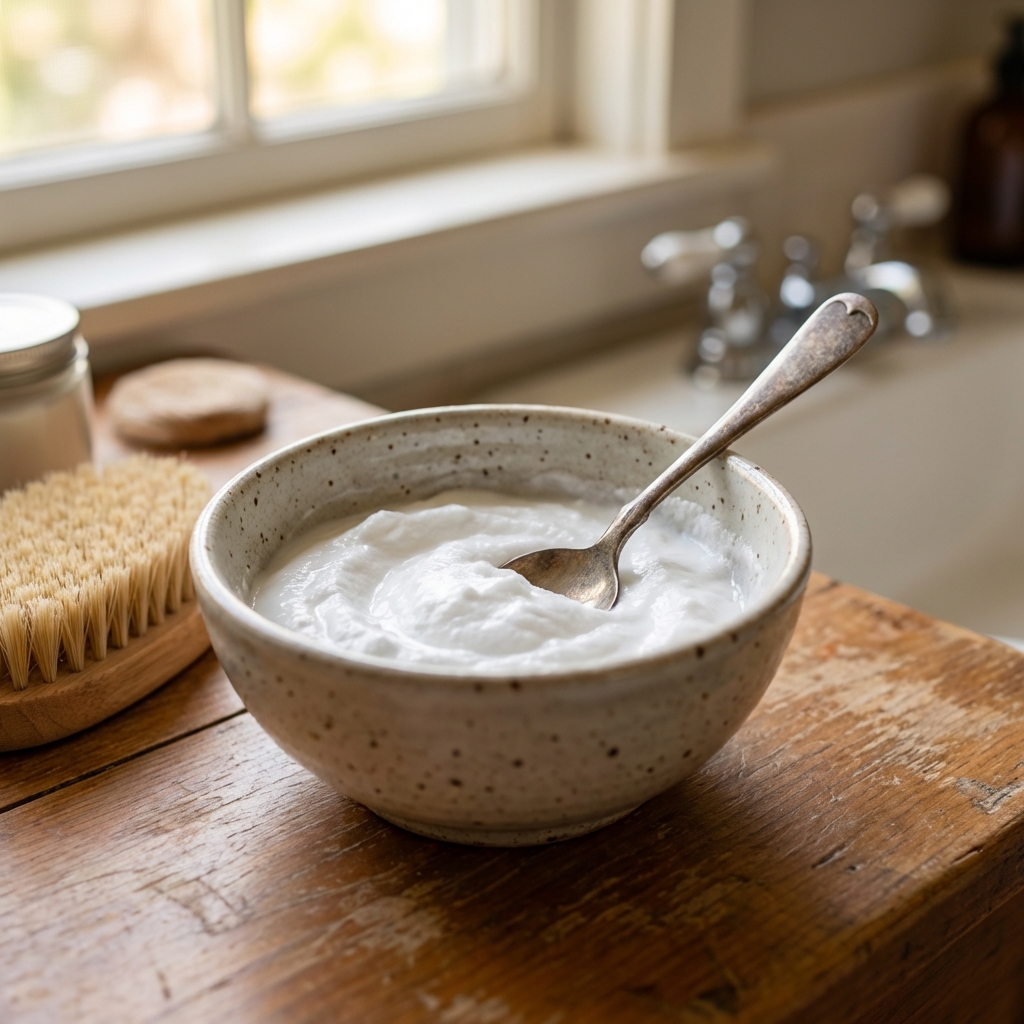
Oatmeal is a classic for a reason. It is gentle and commonly recommended for itchy, irritated skin.
- Add colloidal oatmeal to a lukewarm bath and soak 10 to 15 minutes.
- Pat dry, do not rub.
If you do not have colloidal oatmeal, you can tie plain rolled oats in a clean sock or cloth and let it steep in the bath water, then gently squeeze the “oat sock” over itchy areas.
Baking soda paste (good for small clusters)
This is one of the easiest pantry options.
- Mix baking soda with a few drops of water to make a paste.
- Apply a thin layer to bites for 10 to 15 minutes.
- Rinse off and pat dry.
Skip this if your skin is cracked, bleeding, or raw from scratching.
Aloe vera gel (simple and soothing)
Pure aloe can reduce that hot, prickly feeling.
- Use plain aloe vera gel with minimal additives.
- Apply a thin layer 2 to 3 times daily.
Garden note: If you cut aloe from a leaf, rinse off the yellow sap (latex) first since it can irritate some skin.
Witch hazel (quick, no-mess relief)
Witch hazel may help with itch and swelling for some people, but it can also sting or dry skin.
- Put a small amount on a cotton pad.
- Dab, do not scrub.
- Let it air dry.
Choose an alcohol-free version if you are prone to dryness, and stop if it makes the area feel more irritated.
Honey (spot help for a few irritated bumps)
Raw honey has antimicrobial properties and can feel soothing for some people, but for bug bites it is more of a comfort remedy than a proven fix.
- Use a tiny amount on individual bumps.
- Cover with a clean bandage if it is in a spot that will rub on clothing.
Heads up: This is sticky. It is best for a few spots, not a whole ankle. Avoid if you tend to react to honey or pollen, and stop if you notice more redness or a rash.
What not to do
- Do not scratch. I know. But scratching turns a small bite into a scabbed, infected mess fast.
- Do not use harsh disinfectants repeatedly (straight rubbing alcohol, hydrogen peroxide, undiluted essential oils). They can dry and irritate skin, which often increases itching.
- Do not take very hot showers to “itch it out.” Heat can make itching feel worse for many people.
- Do not pick scabs. That is how you end up with lingering marks.
If you want one simple routine
If you are feeling overwhelmed, here is a low-effort routine that works for many people:
Shower and wash as soon as you can.
Cool compress for 5 to 10 minutes.
Apply aloe or alcohol-free witch hazel (pick one).
Before bed, do an oatmeal bath if itching is keeping you awake.
Scratch-proof the night: keep fingernails short, and consider covering clusters with a breathable bandage so you do not tear them up in your sleep.
Most bites improve over several days, though itching can linger 1 to 2 weeks depending on sensitivity.
When to use OTC help (and when to call)
Natural options are great for mild to moderate irritation. Consider an over-the-counter option if you are miserable:
- 1% hydrocortisone cream for itching and inflammation
- Calamine lotion for simple itch relief
- Oral antihistamine (like cetirizine or loratadine) if the itch is widespread
Contact a clinician promptly if you notice:
- Spreading redness, warmth, pus, or increasing pain (possible infection)
- Fever or feeling ill
- Swelling of lips or face, hives all over, or trouble breathing (urgent allergic reaction)
- Bites near eyes or signs of a severe skin reaction
- Symptoms that are not improving after about 2 weeks, or are getting worse instead of better
Travel note: In parts of the Asia-Pacific region, some chigger species can spread scrub typhus. If you developed fever, headache, or a rapidly worsening illness after bites while traveling in those areas, seek medical care.
Preventing bites in the yard
Chiggers like tall grass, weeds, brushy edges, and damp shady areas. Prevention is mostly about reducing contact.
Dress for the job
- Wear long socks and tuck pants into socks when you are working in tall grass.
- Choose tighter-weave fabrics over loose knits.
- Change and shower soon after yard time.
Yard habits that help
- Mow and edge regularly, especially along fence lines and garden borders.
- Keep pathways clear where you walk and kneel often.
- Avoid sitting directly on grass in peak chigger areas.
Natural-leaning deterrents to consider
If you prefer a more natural approach, you can try:
- Sulfur-based dust products labeled for outdoor mite control. Follow the label carefully, avoid breathing the dust, keep pets away during application, and pay attention to any re-entry guidance. Use extra caution around vegetable beds and herbs, and avoid getting products directly on edible leaves.
- Essential oil sprays may help some people, but they can irritate skin and are not reliably protective. If you use them, do a patch test and do not apply to broken skin.

Common questions
How do I know it is chiggers and not mosquitoes?
Chigger bites often show up in clusters around tight clothing lines like socks, waistbands, and behind knees. They can be intensely itchy and may look like small red bumps or welts. Mosquito bites are often more random and exposed-skin focused.
Can chiggers live in my bed?
It is unlikely. They usually come from outdoors. A shower and washing clothes after yard work are your best reset button.
How long does the itch last?
Many people feel relief in a few days, but the itch can last 1 to 2 weeks in sensitive skin. The goal is to prevent scratching so you do not extend healing time.
Bottom line
The most effortless natural chigger bite treatment is a simple combo: wash, cool, soothe, and leave it alone. Start with a cool compress and aloe or oatmeal. If the itching is severe or you see signs of infection, it is smart to step up to proven over-the-counter relief or get medical advice.

Jose Brito
I’m Jose Britto, the writer behind Green Beans N More. I share practical, down-to-earth gardening advice for home growers—whether you’re starting your first raised bed, troubleshooting pests, improving soil, or figuring out what to plant next. My focus is simple: clear tips you can actually use, realistic expectations, and methods that work in real backyards (not just in perfect conditions). If you like straightforward guidance and learning as you go, you’re in the right place.