Moss in the yard can look like a soft green carpet, until it starts taking over the places you actually want grass or groundcover. The key thing to know is this: moss is usually a symptom. It shows up when conditions are tough for turf, like too much shade, compacted soil, constant moisture, or thin grass.
The eco-friendly approach is not just “kill the moss.” It is to remove it gently, then change the conditions so grass (or a better plant choice) can compete.
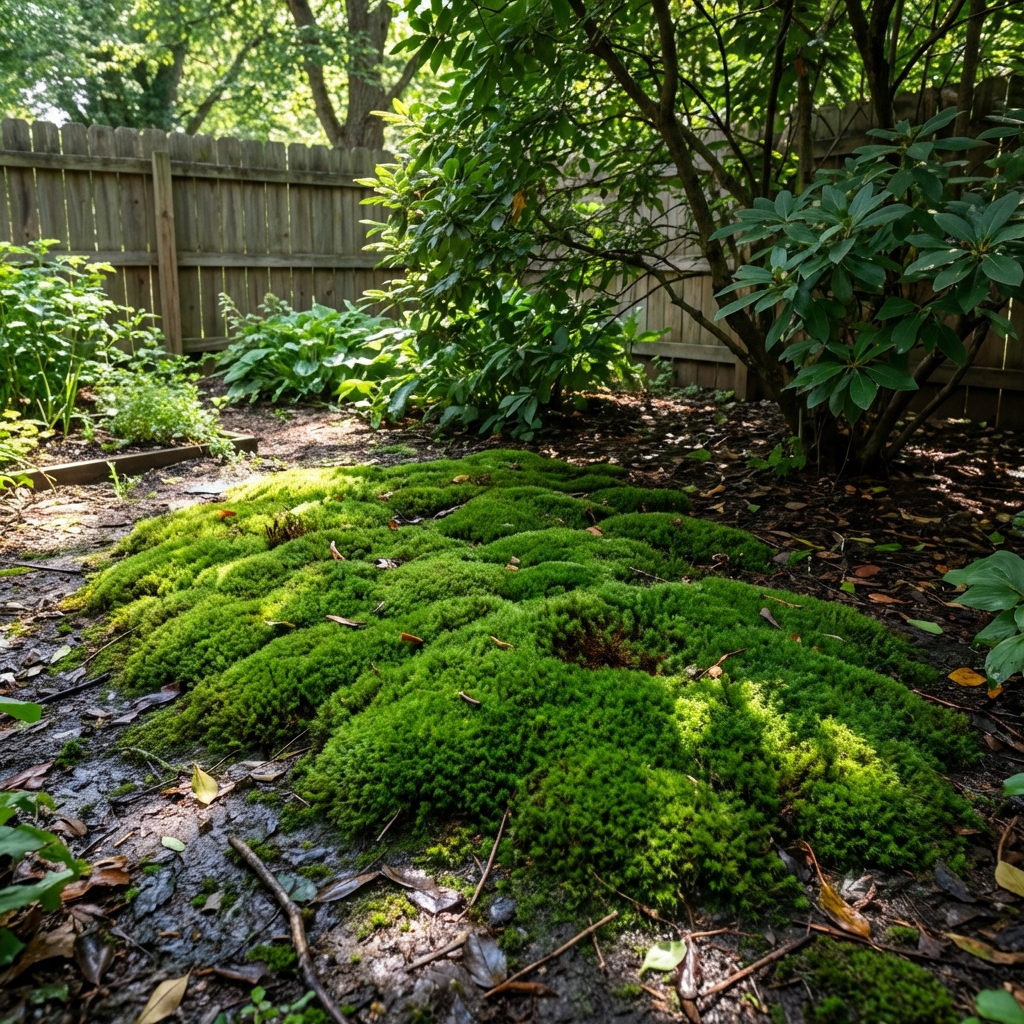
Quick diagnosis (2 minutes)
Before you do anything, figure out what the yard is telling you. These quick checks point you to the real fix.
- How much sun? If the area gets less than 3 to 4 hours of direct sun, standard turf will struggle.
- How long does it stay wet? After a rain, if water sits for hours or the soil stays soggy for days, drainage is a likely cause.
- Is the soil compacted? Try pushing a screwdriver into the ground. If it is hard to get in, roots are struggling too.
Why moss is growing in your yard
Moss does not need fertilizer, deep soil, or even much light. It takes advantage of spots where lawn grass is already stressed.
- Shade: Tree canopy, north-facing areas, fences, and buildings reduce sunlight and keep surfaces cooler and wetter.
- Compacted soil: Foot traffic, heavy clay, and construction squeeze out air pockets, so grass roots struggle.
- Poor drainage: Water sits on the surface after rain, or the soil stays soggy for days.
- Thin or weak turf: Low mowing, dull blades, drought stress, low fertility, or disease opens space for moss.
- Acidic soil (sometimes): Moss tolerates acidity, but acidity is not always the main issue. Many mossy lawns have pH that is fine, but are shaded and compacted.
Quick reality check: If your yard is deeply shaded most of the day, you may be fighting nature trying to keep a thick, sunny-lawn look there. In those areas, the most eco-friendly solution may be switching to shade-tolerant groundcovers or a mulch path instead of pushing grass.
Eco-friendly moss removal options
Think in two phases: remove what is there, then fix what caused it.
1) Physical removal (best first step)
This is the lowest-impact option and the most immediate.
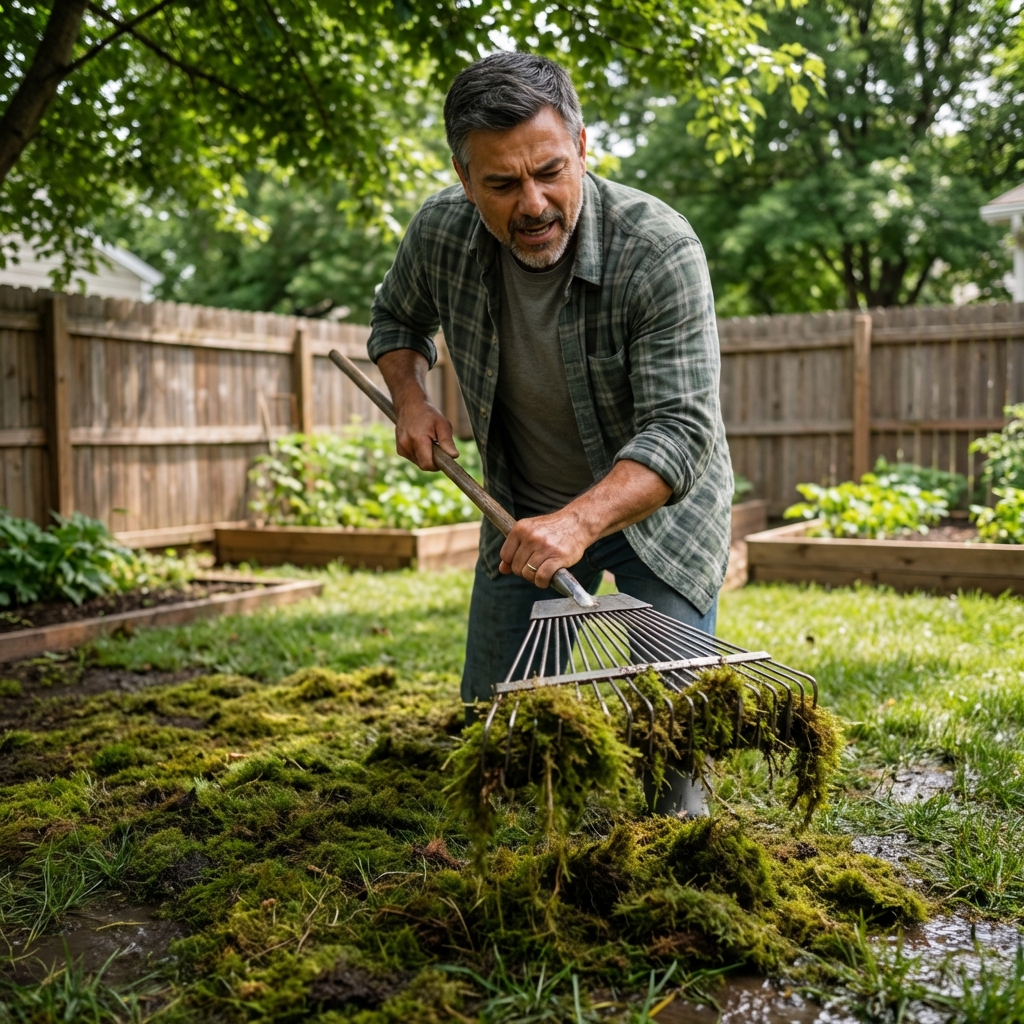
- Rake it out: Use a stiff garden rake or dethatching rake when the moss is slightly damp (easier to lift).
- Bag it: Do not leave thick clumps on the lawn. In damp conditions, fragments can re-establish and spread.
- Reseed or patch: If you remove moss and leave bare soil, moss can return. Fill the space with grass seed, plugs, or a better groundcover.
Tip: For small patches, a hand rake works great and keeps you from tearing up healthy turf nearby.
2) Smothering in non-lawn areas
For moss on soil paths or under shrubs where you do not need grass:
- Lay down plain cardboard (remove tape and glossy print), overlap seams, then cover with 2 to 4 inches of mulch.
- Important: This method smothers everything underneath it, including moss, grass, and weeds. Do not use it where desirable plants are mixed in.
- Blocking light helps prevent regrowth. Keep mulch deep enough to cover cardboard well, and watch moisture in very damp sites since mulch can also hold water.
3) Eco-friendly spot treatments (use sparingly)
If you need help beyond raking, these are common lower-impact options. Always test a small area first.
- Soap-and-water spritz: Sometimes used to help dry moss in cracks and hardscape edges, but results vary by moss type and surface. Use only a mild solution, avoid runoff into soil and planting beds, and do not rely on this method for lawn patches since it can stress grass and beneficial soil life.
- Boiling water: Works for moss in patio cracks or along edging. Not for lawns.
- Iron-based moss killers: Many products use ferrous sulfate or similar iron compounds. They can be effective and are often considered lower impact than bleach or strong herbicides when used correctly, but they still require care. Follow the label, avoid overapplying (it can stress turf and alter soil chemistry), and keep pets off until dry. Critical warning: Iron products can severely stain concrete, stone, brick, and pavers a rust-orange color. Shield hardscapes and rinse any overspray immediately.
Avoid: Bleach, salt, and vinegar across lawn areas. They can damage soil life, burn grass roots, and create longer-term bare patches that invite more moss and weeds.
Fix the conditions that invited moss
If you skip this part, moss usually returns within a season or two.
Improve sunlight (or change what you grow)
- Prune for light: Thin tree canopies and remove low branches to increase morning sun and airflow.
- Choose shade-tolerant grass seed: Fine fescues often do better than standard mixes in shade, depending on your region.
- Replace turf in deep shade: Consider mulch, stepping stones, or shade groundcovers where grass never thrives.
Reduce compaction
Compaction is a big one. Grass needs oxygen at the root zone.
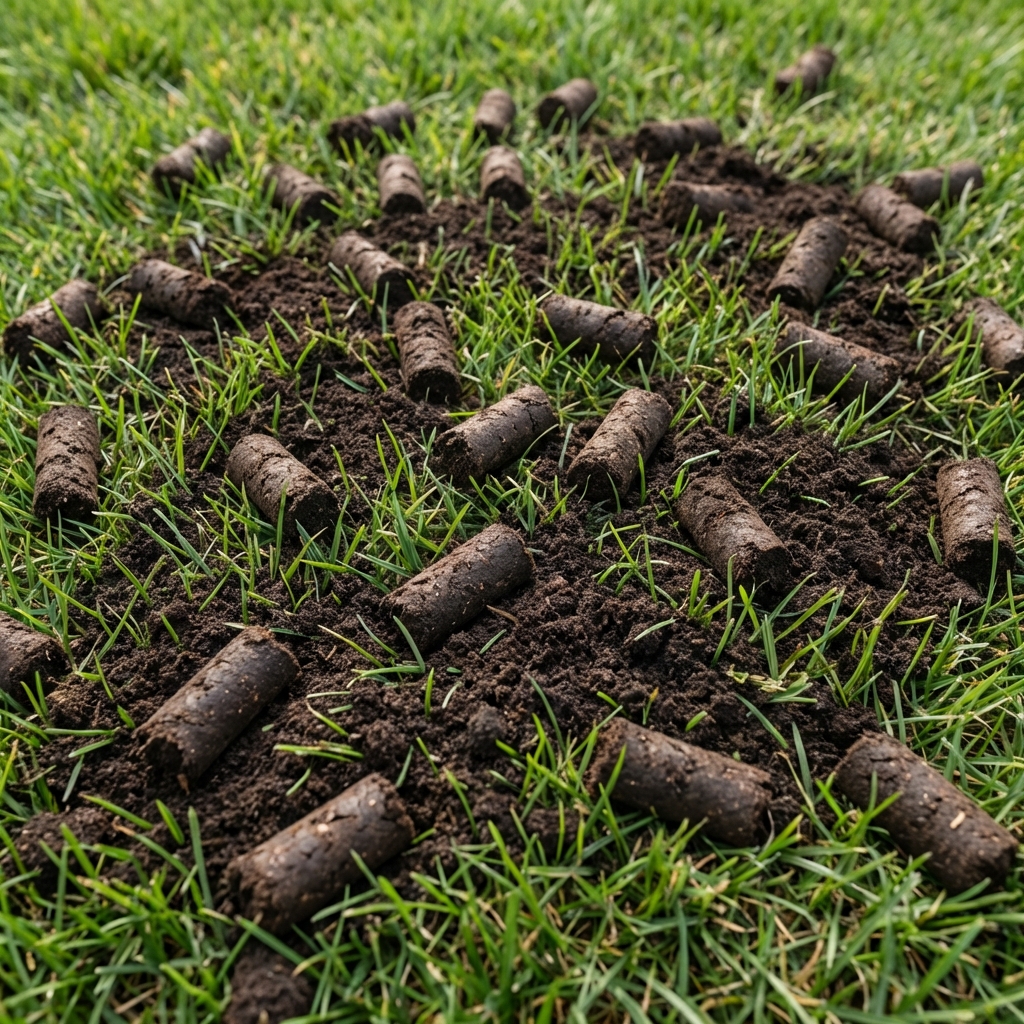
- Core aerate: Pulling plugs (not spiking) opens the soil for air, water movement, and seed-to-soil contact.
- Topdress lightly with compost: After aeration, spread a thin layer of finished compost. It boosts soil structure and biology over time.
- Redirect traffic: Add a path, stepping stones, or a mulch route where people naturally cut across the lawn.
Fix drainage problems
- Check downspouts: Make sure roof runoff is not dumping into one area.
- Regrade low spots: Even a small dip can hold water. Fill and level with a soil mix appropriate for lawns.
- Consider a French drain (if needed): For chronic soggy zones, a properly installed drain can move water away from the lawn area.
- Be careful with "sand on clay": Adding sand to heavy clay can make things worse unless it is incorporated correctly and in the right proportions. Compost and aeration are usually safer first steps.
- Build a rain garden or swale: If you have chronic wet zones, consider plants that love moisture rather than fighting it.
Test soil before adjusting pH
People often jump straight to lime. Sometimes it helps, sometimes it does nothing.
- Get a soil test: Your local extension office or a reputable lab can tell you pH and nutrient levels.
- Lime only if recommended: Ideal pH varies by grass type and region, but if your lawn is too acidic for your turf, lime can improve grass performance. A stronger lawn is the best long-term moss prevention.
How to reseed after moss removal
Once moss is removed, the goal is to fill the space quickly.
- Rake to expose soil: You want seed touching soil, not sitting on dead material.
- Add a thin compost layer: Just enough to lightly cover seed. Too much can smother it.
- Seed the right grass: Match your light conditions and climate zone.
- Water for establishment: Keep it evenly moist at first (often light watering 1 to 2 times per day), then shift to less frequent but deeper watering as seedlings establish.
- Raise mowing height: Taller grass shades the soil and helps prevent moss from reestablishing.
Eco-friendly note: If you use a starter fertilizer, choose a slower-release option and use it only if your soil test suggests it is needed.
Timing tip: In many regions, early fall is the easiest time to reseed because nights are cooler and weeds are less aggressive. Spring can work too, but you will compete with summer heat and weeds.
Moss prevention habits
- Mow high: A taller cut encourages deeper roots and denser turf.
- Sharpen blades: Clean cuts reduce stress that can thin grass.
- Feed the soil: Compost topdressing and mulched clippings improve soil over time.
- Water correctly: Deep, infrequent watering is better than daily light sprinkling for most lawns.
- Do not over-shade: Keep shrubs and low branches from blocking air movement across the lawn.
When moss is the better choice
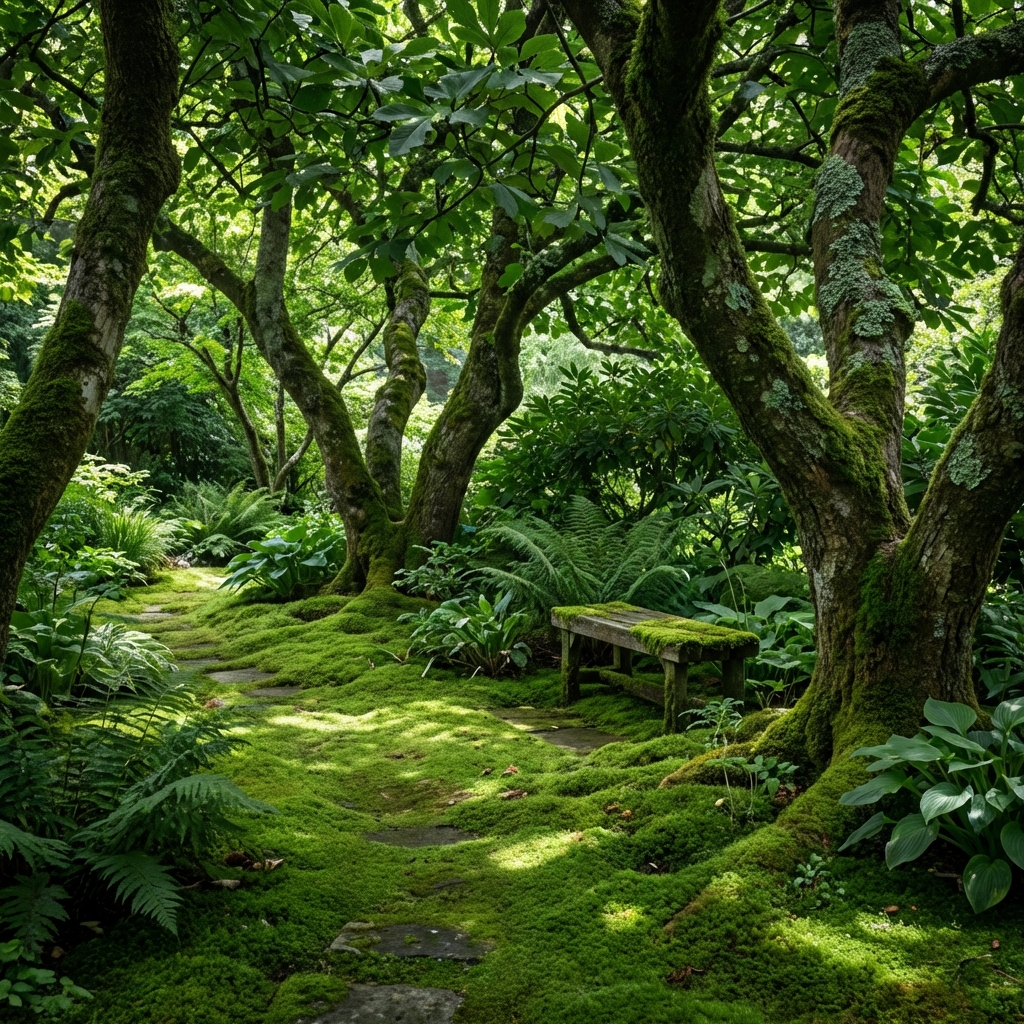
In some yards, moss is not the enemy. If you have a consistently shaded, moist area where turf always fails, moss can be a low-input groundcover. It does not need mowing, it stays green in cool seasons, and it can tolerate some light foot traffic, though it is not ideal for high-traffic play areas or regular pathways.
If you decide to keep it, focus on clean edges so it looks intentional: define borders with stone, metal edging, or a clear mulch line.
Quick troubleshooting
Moss comes back fast after I rake it out
You removed the symptom, but the area is still too wet, too shady, or too compacted. Aerate, improve drainage, or switch to a shade groundcover.
Moss is growing in sunny spots
Look for compaction, low fertility, and poor drainage. Sunny moss is often a soil structure problem.
I have moss and lots of bare soil
Reseed or replant quickly. Bare soil is an open invitation for moss and weeds.
Bottom line
The most eco-friendly way to get rid of moss is to remove it physically and then make the yard less moss-friendly: more light where possible, better drainage, less compaction, healthier soil, and grass (or plants) that match your conditions. Do that, and moss goes from a recurring battle to an occasional touch-up.

Jose Brito
I’m Jose Britto, the writer behind Green Beans N More. I share practical, down-to-earth gardening advice for home growers—whether you’re starting your first raised bed, troubleshooting pests, improving soil, or figuring out what to plant next. My focus is simple: clear tips you can actually use, realistic expectations, and methods that work in real backyards (not just in perfect conditions). If you like straightforward guidance and learning as you go, you’re in the right place.