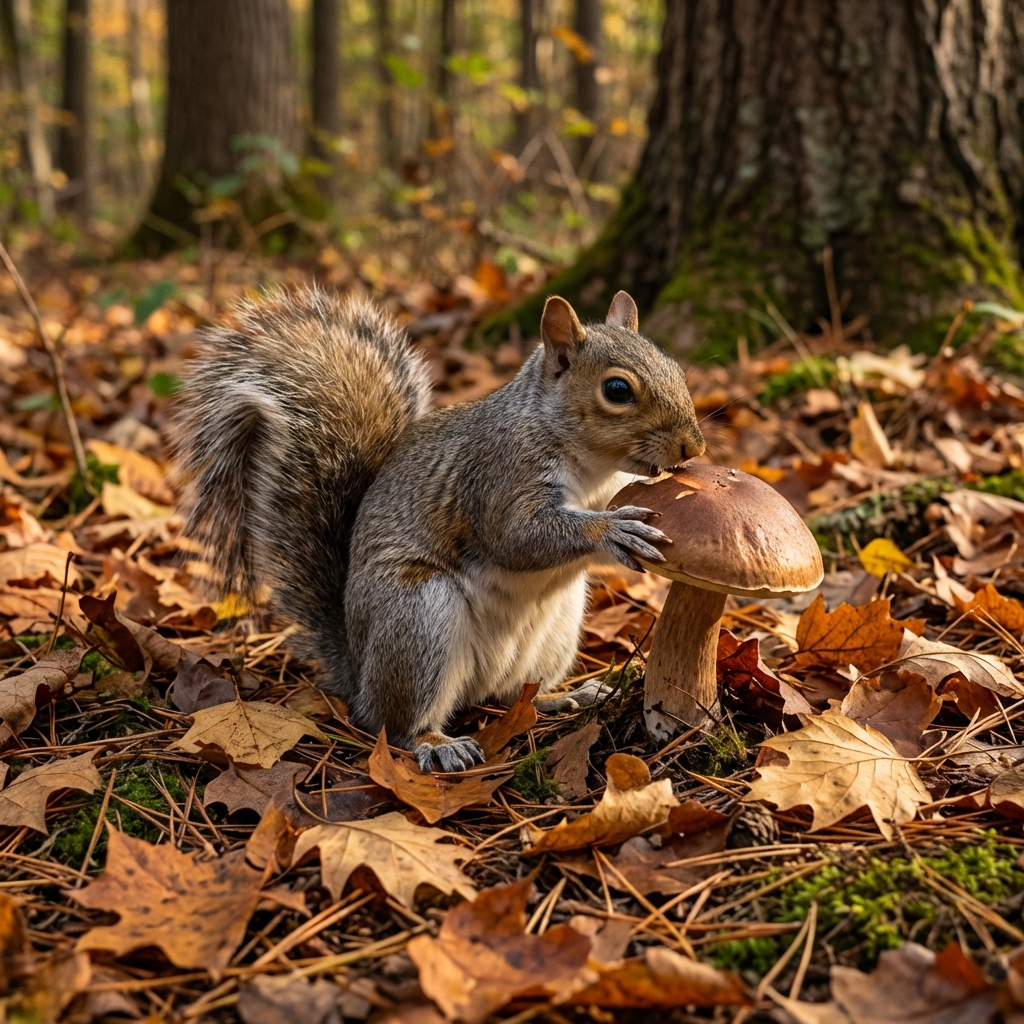
If you have ever stepped outside and noticed mushrooms "sampled" overnight, or found a chewed cap under a tree, you are not imagining things. Squirrels do eat mushrooms. In many yards it is a normal part of how they forage, especially in damp weather when fungi pop up fast.
The good news is that mushrooms are usually more of a symptom than the main problem, especially in lawns and mulched beds where they often point to moisture, shade, thatch, compaction, or lots of organic material. That said, some mushrooms can also signal buried wood or old roots, and mushrooms growing directly from a tree base deserve a closer look. When squirrels show up for fungi, they may also dig in mulch, disturb seedlings, or mess with newly planted bulbs. Below is what is really going on and what you can do that works in regular backyards.
Why squirrels eat mushrooms
Squirrels are opportunistic omnivores. They are known for nuts and seeds, but their diet can include buds, fruit, insects, eggs, and yes, fungi. Mushrooms can be attractive for a few practical reasons.
- Moisture and minerals: Mushrooms are water-rich, and squirrels may take advantage of them during dry stretches.
- Easy calories: Some fungi provide carbohydrates and other nutrients with very little effort compared to cracking nuts.
- Seasonal variety: In late summer and fall, fungi flushes can coincide with squirrels stocking up and constantly searching.
- Curiosity and taste testing: Squirrels often nibble and move on. You might see multiple mushrooms with just a bite taken out.
One interesting ecological note: mycophagy by wildlife can contribute to fungal spore dispersal as animals forage and move through an area. That does not mean you want them digging up your seedlings, but it helps explain why mushrooms are on their menu.
What it means if mushrooms keep coming back
If mushrooms keep returning, the bigger takeaway is usually about moisture, organic matter, and shade. Fungi thrive when there is plenty of decaying material and the soil stays damp. In lawns, recurring mushrooms can also track with heavy thatch or compacted soil that holds moisture near the surface.
Common reasons mushrooms pop up
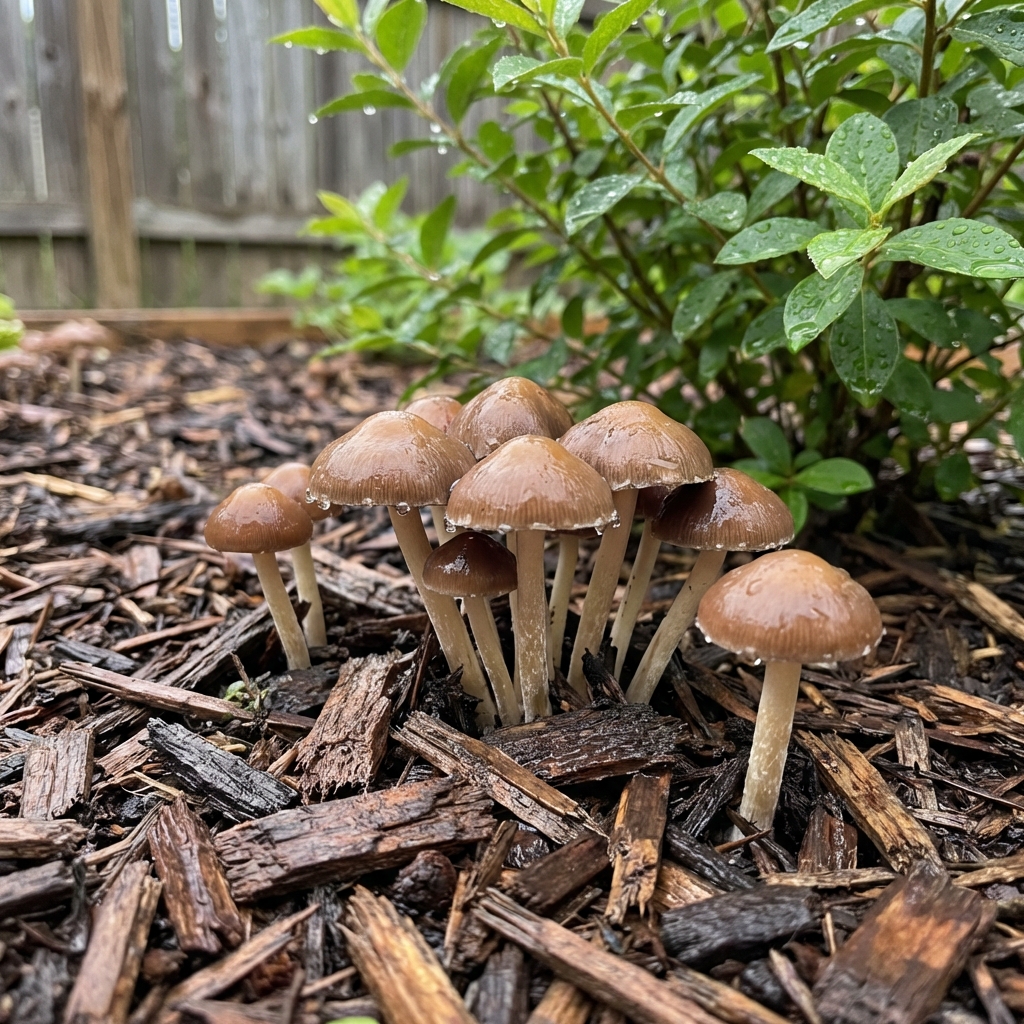
- Mulch that stays wet: Thick wood mulch, especially in shade, can hold moisture and feed fungi.
- Buried wood or old roots: A decaying stump, construction debris, or tree roots underground can fuel mushrooms for years.
- Overwatering: Lawns and beds watered too often create the humid conditions fungi love.
- Poor drainage: Water pooling or compacted soil can lead to repeated flushes.
In many cases, mushrooms are a sign your soil has active biology and plenty of organic matter. For garden beds, that can be a positive. For lawns, it usually means you need to tweak irrigation, thatch management, and drainage.
One important caveat: If mushrooms are growing from the base of a living tree, from exposed roots, or in a ring right around the trunk, consider getting a local arborist or extension office to take a look. Some fungi are harmless decomposers in mulch, but others can be associated with wood decay.
Is it dangerous for pets or kids?
This is the part where it helps to be cautious. Squirrels may nibble mushrooms that are toxic to people or pets, and they also sometimes cache food and come back to it later. You cannot use squirrel behavior as a safety test.
Practical safety steps
- Assume unknown mushrooms are not edible. Teach kids not to touch or taste yard mushrooms.
- Supervise pets. Dogs in particular may grab mushrooms quickly on walks in the yard.
- Remove mushrooms promptly if you have curious pets or small children. Use gloves or a bag, and dispose of them in the trash.
- Call a professional if needed. For pet ingestion, contact your veterinarian or a pet poison helpline right away. If possible, have a clear photo and (safely bagged) sample available, plus an estimate of how much was eaten.
If mushrooms are popping up heavily and you are worried, consider taking clear photos and consulting a local mycological society or extension office for guidance. Identification from a single photo is not always reliable, but local experts can often point you in the right direction.
How to tell if squirrels are eating them
Mushrooms get chewed by several animals, including slugs, snails, rabbits, deer, and insects. Squirrels leave some clues.
- Clean bite marks: Squirrels tend to leave sharper, more obvious bites compared to the ragged scraping from slugs.
- Broken stems and tossed caps: You may find caps flipped over or carried a short distance.
- Daytime activity: Squirrels are active in daylight, so you might catch them in the act.
- Digging nearby: Small shallow holes in mulch around the same area suggest squirrel foraging.
If you want confirmation, a simple motion-activated camera aimed at the patch for 1 to 2 nights can settle the mystery quickly.
Should you get rid of the mushrooms?
It depends on where they are and who uses that space.
When removal makes sense
- You have pets or toddlers that might grab them.
- Mushrooms are appearing in high-traffic lawn areas where someone might step on them.
- You are seeing a thick, recurring flush tied to soggy soil, overwatering, thatch, or poor drainage.
When you can leave them alone
- They pop up occasionally under trees or in mulch and dry up within a day or two.
- You have no pet or kid risk and the area is out of the way.
- You are building soil in ornamental beds and the mushrooms are not causing plant problems.
Remember: removing visible mushrooms does not remove the fungal network in the soil. To reduce future mushrooms, focus on changing the conditions that encourage them.
How to reduce squirrel interest and damage
You cannot realistically "solve" squirrels, but you can make your garden less convenient and reduce the reasons they hang around. Here are practical, low-drama steps that help.
1) Adjust watering and moisture
- Water in the morning so surfaces dry faster.
- Water deeper, less often to avoid constantly damp top layers.
- If a bed stays soggy, consider adding compost and improving structure or raising the bed height.
- For lawns, consider whether thatch or compaction is holding moisture at the surface. Aeration and dethatching can reduce repeat flushes.
2) Tidy up squirrel attractants
- Pick up fallen fruit and nuts (acorns, walnuts, crabapples).
- Keep bird feeders tidy and consider squirrel baffles.
- Store bulbs, seed, and compostable food scraps securely.
3) Protect high-value areas
If squirrels are digging in your beds, physical barriers are usually the most reliable.
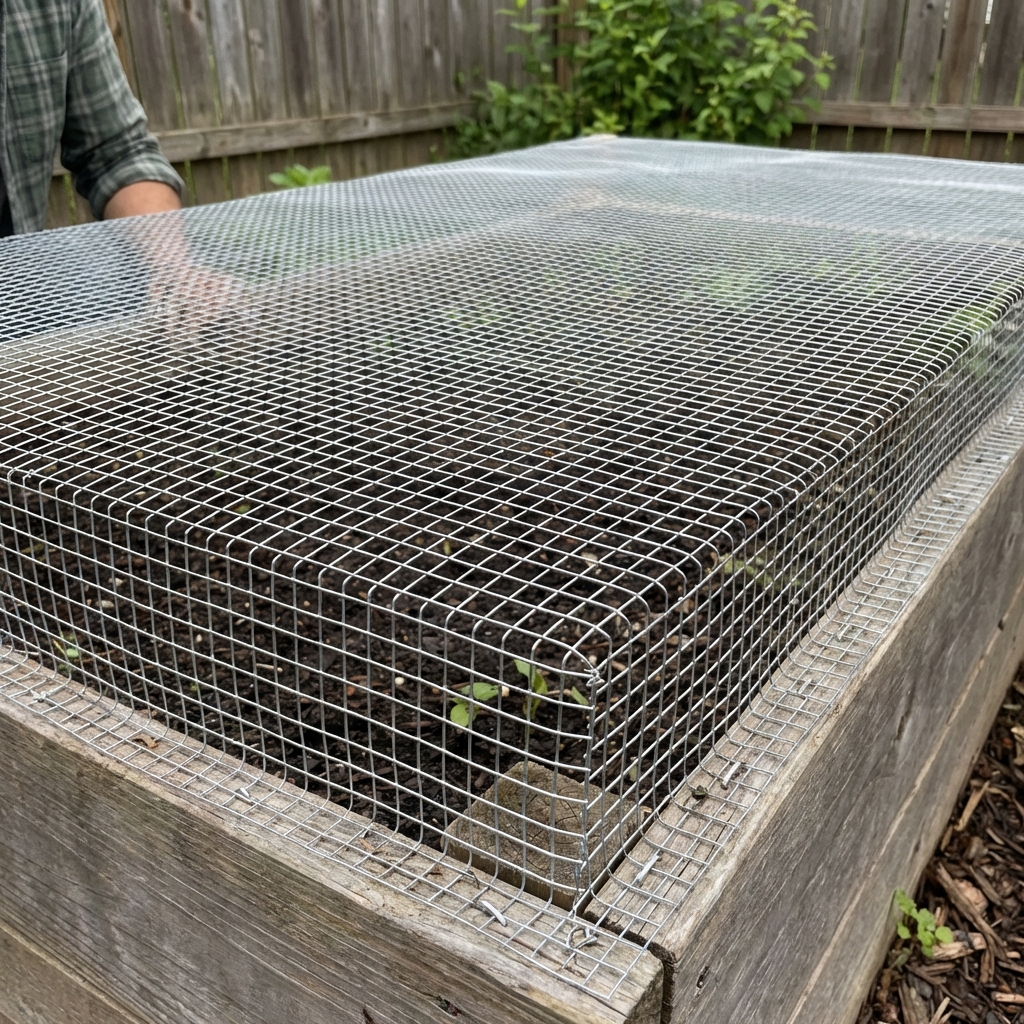
- Hardware cloth covers: Lay 1/2-inch hardware cloth over newly seeded areas or bulb plantings, then pin it down and cover lightly with mulch.
- Row cover or netting: Useful for seedlings, just secure edges so squirrels cannot lift it.
- Mulch choice: Coarser mulch can be less inviting to dig in than fluffy, freshly spread mulch. Keep mulch depth reasonable.
4) Use deterrents realistically
Smell-based repellents can help for short periods, but they often need frequent reapplication after rain. If you try them, use them to protect a specific spot during a short vulnerable window, like right after planting.
- Capsaicin-based repellents can discourage nibbling, but follow label directions carefully.
- Predator scent products sometimes help briefly, but many squirrels habituate.
What not to do
- Avoid poisons or unsafe baits. They can harm pets, kids, and non-target wildlife, and they are not a responsible way to address routine yard foraging.
- Avoid random fungicide use for cosmetic mushrooms. Lawn and garden mushrooms are usually the fruiting bodies of fungi already in the soil, so fungicides are often ineffective and can disrupt beneficial soil life. Focus on moisture and site conditions instead.
If you are growing mushrooms
If you are intentionally growing mushrooms outdoors, squirrels can be a bigger issue because they may dig into straw, wood chips, or logs.
Practical protection for mushroom patches
- Use a simple cage: A low frame covered in hardware cloth is often enough.
- Stake and weigh down edges: Squirrels are excellent at lifting loose covers.
- Harvest promptly: Pick mushrooms as soon as they are ready instead of letting them sit.
- Keep the area clean: Remove older, slimy, or damaged mushrooms that attract extra attention.
For log-based mushrooms (like shiitake logs), placing them in a spot with less squirrel traffic and adding a physical barrier during fruiting season is usually more effective than any spray.
Quick checklist
- Seeing mushrooms daily? Cut back watering, check thatch and compaction, and look at drainage.
- Mulch always damp? Reduce mulch depth, improve airflow, or switch to a less moisture-holding mulch.
- Squirrels digging in beds? Use hardware cloth or netting for 2 to 4 weeks after planting.
- Concerned about toxicity? Remove mushrooms promptly and supervise pets.
- Mushrooms at the base of a tree? Consider an arborist visit or local extension guidance.
Bottom line
Squirrels eating mushrooms is common and usually not a sign your garden is in trouble. It is mainly a reminder that your yard has the moisture and organic matter fungi like. If squirrel activity starts turning into digging and plant damage, focus on the basics: manage moisture, remove easy food sources, and use simple physical barriers in the spots you care about most.

Jose Brito
I’m Jose Britto, the writer behind Green Beans N More. I share practical, down-to-earth gardening advice for home growers—whether you’re starting your first raised bed, troubleshooting pests, improving soil, or figuring out what to plant next. My focus is simple: clear tips you can actually use, realistic expectations, and methods that work in real backyards (not just in perfect conditions). If you like straightforward guidance and learning as you go, you’re in the right place.