Groundhogs can flatten seedlings, strip bean plants, and turn a neat bed edge into a burrow entrance in a hurry. If you are trying to catch one quickly with a live trap, bait matters, but so does how you present it. The goal is simple: offer something that smells right to a groundhog, feels safe to approach, and is placed so the animal has to step on the trigger.
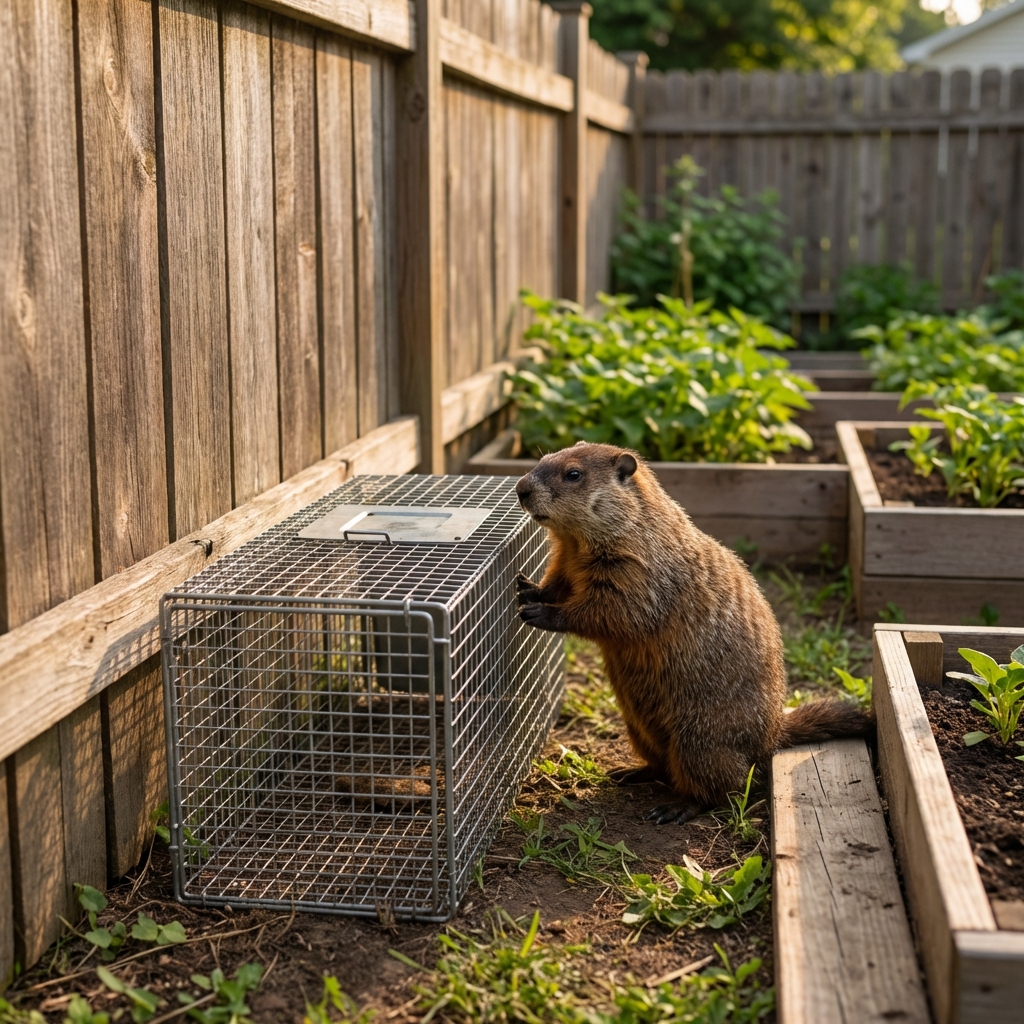
Best quick baits that work
Groundhogs are primarily herbivores, so fresh, sweet, and fragrant plant foods usually beat meat, peanut butter, or random pantry leftovers. These are the baits I see work most often for a fast catch. Local food availability matters though, so if your groundhog is already raiding something specific, matching that food can speed things up.
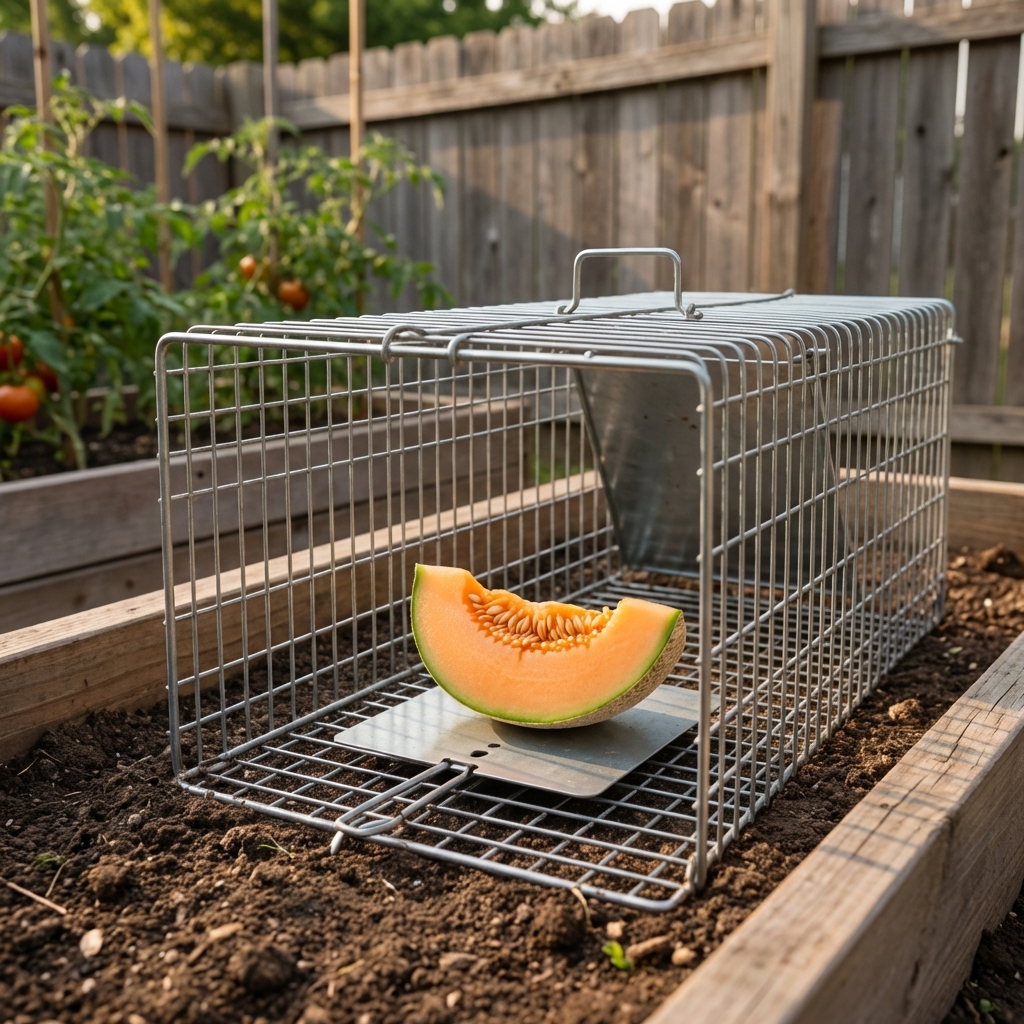
1) Cantaloupe (often the fastest)
Cantaloupe is hard to beat because it is sweet, juicy, and puts out a strong smell. It also stays attractive long enough to work during the day when groundhogs are active.
- Use a thick wedge with rind attached so it stays put.
- Replace daily in hot weather so it does not turn sour.
2) Apples
Apples are reliable and easy to find. They smell good, handle heat better than many fruits, and do not get mushy as fast.
- Use slices or a halved apple.
- Lightly bruise the flesh to boost scent.
3) Sweet corn (fresh or thawed)
Fresh sweet corn is like a garden magnet. If you have corn damage already, using it as bait often matches what the groundhog is already looking for.
- Use a short cob section, not loose kernels.
- Tie the cob to the trap with a short piece of wire or string if smaller animals keep stealing bait.
4) Strawberries or other ripe berries
Great scent, great sugar content, but they spoil quickly. Use them when you can check the trap often.
5) Lettuce, cabbage, or leafy greens (good backup)
Leafy greens can work, especially if the groundhog has been feeding in a vegetable patch. They are not always the fastest option, but they are low-mess and easy to refresh.
Baits that often underperform
These can work in some situations, but they are commonly less effective for groundhogs than fresh produce and may increase non-target captures.
- Peanut butter: popular online, but often better for raccoons, skunks, and rodents than groundhogs.
- Meat or cat food: attracts the wrong animals and can create odor issues.
- Bread and cereal: low scent outdoors and not a natural draw.
- Old, rotten fruit: can repel more than it attracts and brings insects fast.
How to make bait work faster
Use “smell first” baiting
Groundhogs decide with their nose. Boost scent by cutting fresh bait right before setting the trap or bruising it slightly. A fresh-cut cantaloupe wedge smells stronger than a chunk that sat in the fridge uncovered.
Keep bait from being stolen
If animals can grab bait without committing to the trap, you will get repeated empty sets.
- Place bait behind the trigger plate, not on the edge.
- For apples or corn, consider securing the bait with a short piece of wire so it cannot be snatched and pulled out.
Use a small bait trail
A couple tiny pieces leading into the trap can guide them, but too much “free food” outside the trap can slow you down. Use two to three pea-sized bits near the entrance, then put the best piece at the back where they must step fully inside.
Where to place the trap
Perfect bait in the wrong spot still fails. Groundhogs are creatures of habit and usually travel the same edges.
Best locations
- Right at an active burrow entrance: Look for fresh dirt, a clear path, and recent droppings nearby.
- Along a fence line: They like to travel edges where they feel covered.
- Near the damaged plants: Especially if they are feeding daily in one bed.
Placement tips that matter
- Set the trap on level ground so it does not wobble.
- Orient the opening straight along the travel path, not angled.
- Lightly cover the trap floor with a thin layer of soil or leaves if the wire feels “wrong” to the animal, but do not jam the trigger.
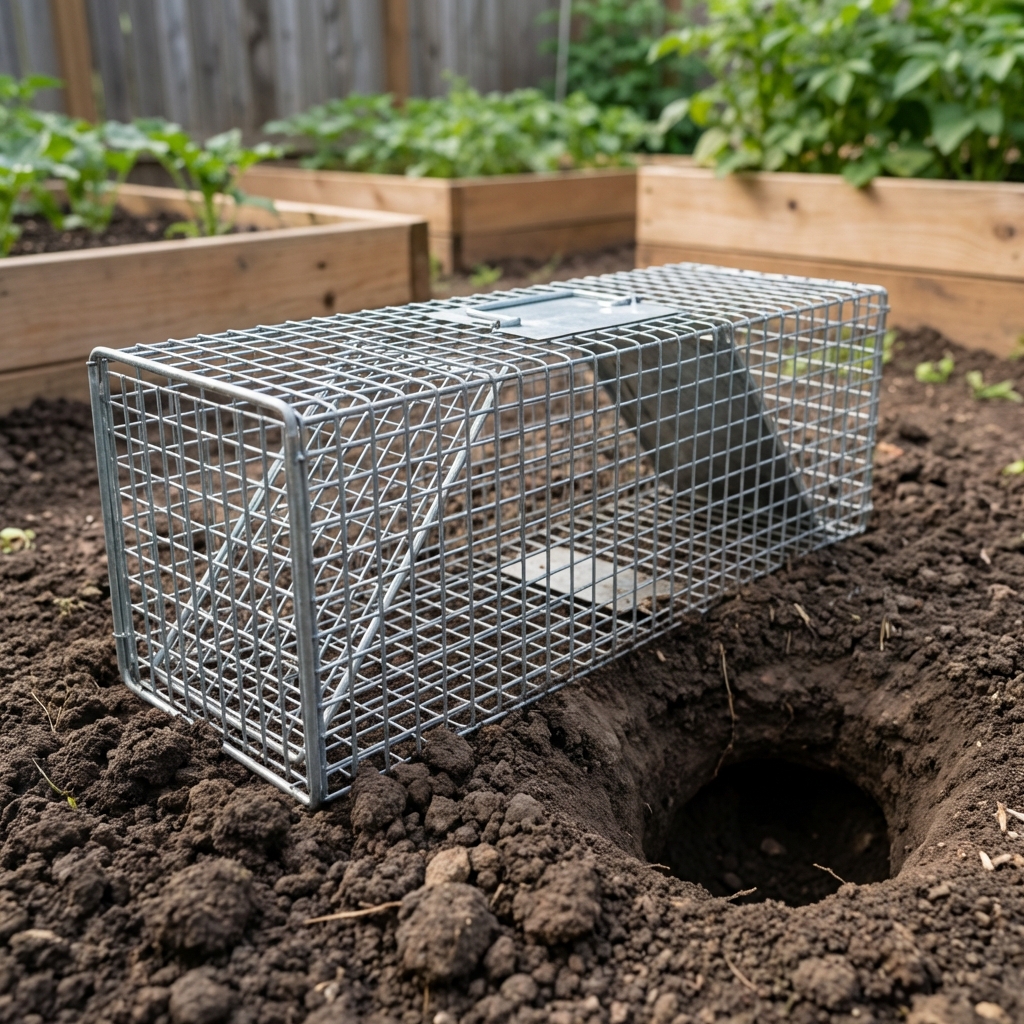
Quick setup steps (live trap)
- Choose the right trap size. Use a sturdy live trap labeled for woodchucks or groundhogs. A trap around 32 to 42 inches long is commonly used for most adult groundhogs, though smaller individuals can be caught in shorter models.
- Pick a door style. A 1-door cage trap works well at burrow openings. A 2-door trap can help if you are setting on a runway where the animal may approach from either direction.
- Stabilize it. Push it into the soil slightly or wedge it so it does not rock.
- Place bait behind the trigger. Put the main bait at the back. Add a tiny scent tease near the entrance if needed.
- Reduce “scary” cues. Wear gloves if you can, and avoid leaving strong scents like gasoline or fresh paint nearby.
- Set and check with heat in mind. Groundhogs can overheat quickly in direct sun. Set traps early in the day and keep them shaded. Follow your local legal check requirements. In warm weather, check more frequently than the minimum required.
Local rules matter: relocation laws and permitted handling vary by area, and some places prohibit relocation or discourage it due to disease and wildlife impacts. Before moving any trapped wildlife, check your local regulations, extension office guidance, or animal control policies.
After you catch one
Have a plan before you set the trap. In many areas, the safest and most legal next step is contacting animal control or a licensed wildlife professional for guidance on transport, release rules, or other options.
- Keep the trap in the shade and away from pets and people.
- Do not try to feed or water the animal through the wire.
- Move the trap calmly and steadily, and avoid putting it inside a hot car.
Troubleshooting
The groundhog eats the bait without triggering
- Move the bait farther back so they must step on the trigger.
- Use a larger, sturdier bait piece that cannot be reached from the doorway.
- Confirm the trigger plate moves freely and is not blocked by leaves or soil.
Other animals keep showing up
- Switch from peanut butter or mixed foods to cantaloupe or apple.
- Set the trap tight to the burrow or the groundhog runway, not out in the open where raccoons roam.
- Avoid placing traps where pets routinely travel, and consider skipping aromatic mixed baits if cats, skunks, or raccoons are active.
The groundhog avoids the trap
- Try pre-baiting for 1 to 2 days: secure the trap open and let it feed without triggering, then set it.
- Camouflage lightly with surrounding vegetation, but keep the door clear.
You caught a non-target animal
- Keep distance and stay calm. Do not put hands near the door opening.
- If you catch a skunk, cover the trap with a towel or blanket to reduce stress, then contact local animal control or a wildlife professional for next steps.
- If you are not sure what you caught, treat it like it can bite and call for guidance.
Safety tips
- Do not put your hands inside the trap once an animal is caught.
- Keep kids and pets away from the trap area.
- Provide shade over the trap if temperatures are warm.
- Handle the trap calmly and steadily to reduce stress on the animal.
Quick answers
What is the single best bait for groundhogs?
Cantaloupe is often the fastest, most consistent bait because of its strong smell and sweetness. If the groundhog is focused on a particular garden crop, matching that food can sometimes work even better.
How long does it usually take to catch one?
With good placement at an active burrow and fresh bait, it can happen within a day. If the setup is slightly off, it may take several days.
Should I bait near the burrow or near the garden?
If you can confirm the burrow is active, start at the burrow entrance. If you cannot find it, set along the travel path between the burrow area and the damaged plants.
Fastest simple plan
- Use a fresh cantaloupe wedge.
- Set a groundhog-rated live trap level and tight to the path, ideally at the burrow entrance.
- Put the bait behind the trigger plate so they must fully enter.
- Set early, keep it shaded, and check it as often as required, and more in hot weather.
That combination is the closest thing to a quick fix I have seen in real yards. It is simple, it is repeatable, and it helps you avoid attracting every scavenger in the neighborhood.

Jose Brito
I’m Jose Britto, the writer behind Green Beans N More. I share practical, down-to-earth gardening advice for home growers—whether you’re starting your first raised bed, troubleshooting pests, improving soil, or figuring out what to plant next. My focus is simple: clear tips you can actually use, realistic expectations, and methods that work in real backyards (not just in perfect conditions). If you like straightforward guidance and learning as you go, you’re in the right place.